Rhinoplasty Surgery in Riyadh: A Practical Guide to Results, Risks, and Recovery
-
- February 23rd, 2026
- 1,240 views

FREE SEO Topical Map Generator: Find Your Next Content Ideas
Considering rhinoplasty in Riyadh requires clear, practical information about surgeons, techniques, recovery, and realistic outcomes. This guide explains what to expect from rhinoplasty surgery Riyadh, how to prepare, and how to evaluate trade-offs between appearance and nasal function.
- Rhinoplasty in Riyadh combines cosmetic and functional goals: choose a board-qualified surgeon and confirm experience with septorhinoplasty.
- Use a structured planning checklist (CLEAR) to prepare consultations and set realistic expectations.
- Expect a recovery timeline of weeks for swelling reduction and up to 12–18 months for final shape.
rhinoplasty surgery Riyadh: who, what, and why
Rhinoplasty treats cosmetic concerns (dorsal humps, bulbous tips, asymmetry) and functional problems (septal deviation, breathing obstruction). In Riyadh, surgical care is provided in private clinics and hospital settings; confirm credentials with the Saudi Commission for Health Specialties and review before-and-after portfolios.
How rhinoplasty is performed: open vs closed and common techniques
Two broad approaches exist: open rhinoplasty (external columellar incision for wide access) and closed rhinoplasty (internal incisions for limited changes). Techniques include tip refinement, dorsal reduction, cartilage grafting, and septoplasty when breathing is affected. Septorhinoplasty combines cosmetic reshaping with septal correction to preserve or improve airway function.
Related terms and standards
- Septorhinoplasty, nasal valve repair, cartilage grafting, nasal osteotomy
- Board certification, informed consent, surgical safety protocols
Choosing a surgeon in Riyadh: credentials and questions to ask
Select a surgeon with specific rhinoplasty experience and hospital privileges. Ask about complication rates, revision policy, anesthesia plan, and the expected recovery timeline. Review patient photos for cases similar to the desired result and request contact with previous patients when available.
Consultation checklist: the CLEAR Checklist
Use this named framework to standardize consultations and decision-making.
- Consultation notes: document goals, medical history, and photographic views.
- Look & plan: surgeon explains open vs closed approach and planned maneuvers.
- Evaluate function: nasal breathing tests, endoscopy if needed.
- Agree expectations: timeline, likely outcomes, and revision policies.
- Recovery roadmap: written aftercare plan, follow-up schedule, and emergency contacts.
Timeline: what to expect after surgery
Immediate post-op includes splints or packing for 1–7 days. Bruising and swelling peak within 48–72 hours and usually subside significantly over 2–3 weeks. Most patients return to non-strenuous work after 1–2 weeks. Tip and soft-tissue swelling can persist for months; the final nasal shape settles over 12–18 months.
Practical recovery tips
- Sleep with the head elevated for 1–2 weeks to reduce swelling.
- Avoid heavy lifting and contact sports for at least 6 weeks.
- Follow saline sprays and wound-care instructions exactly to prevent crusting and infection.
Costs, financing, and realistic outcomes
Costs vary with surgeon experience, facility, and whether functional correction is required. Obtain written cost breakdowns for surgeon fees, hospital/facility charges, anesthesia, and follow-up care. Avoid decisions based solely on price; revisions are costlier and emotionally disruptive.
Trade-offs and common mistakes
Trade-offs often involve balancing cosmetic refinement with nasal function. Common mistakes include:
- Choosing based only on price or social-media presence rather than documented surgical outcomes.
- Unrealistic expectations about instant final results—swelling hides the true shape early on.
- Failing to address functional issues (septum, valve collapse) during the initial procedure, which can necessitate revision.
Practical tips before booking surgery
- Request a detailed surgical plan and an expected recovery timeline in writing.
- Confirm the facility accreditation and the surgeon’s privileges at the operating hospital.
- Prepare support for the first 72 hours post-op: someone to accompany home and help with medications and wound care.
- Photograph the nose from multiple angles before surgery to track progress objectively.
Real-world example: a typical septorhinoplasty in Riyadh
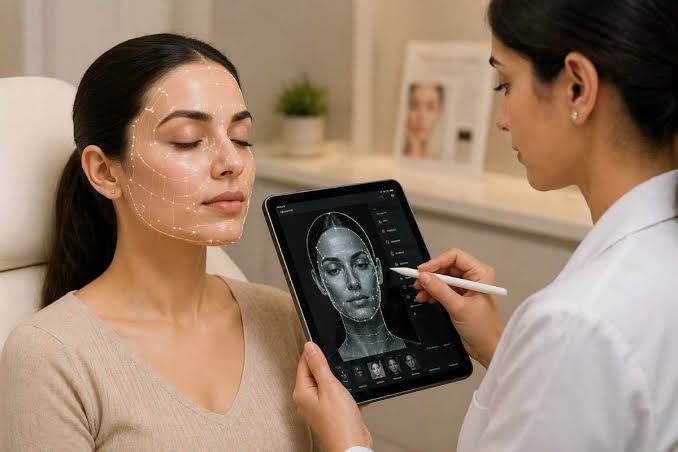
A 29-year-old patient with a noticeable dorsal hump and intermittent nasal obstruction sought combined cosmetic and functional correction. Pre-op planning used imaging and the CLEAR Checklist; the surgeon performed an open septorhinoplasty with cartilage grafting to refine the tip and correct the deviated septum. Recovery included 5 days off work, splint removal on day 7, and progressive improvement in breathing and appearance over 12 months. Outcome: improved airway and a natural dorsal profile aligned with the patient's facial proportions.
Core cluster questions
- How to evaluate rhinoplasty before-and-after photos?
- What is the recovery timeline after septorhinoplasty?
- How do surgeons preserve nasal function during cosmetic rhinoplasty?
- When is revision rhinoplasty necessary and what does it involve?
- How to compare open and closed rhinoplasty outcomes?
For official surgical safety standards and patient resources, consult the American Society of Plastic Surgeons: plasticsurgery.org.
Choosing care that lasts: final considerations
Rhinoplasty combines art and functional surgery. Prioritize a surgeon with consistent rhinoplasty experience, a clear written plan, and the time to manage post-op recovery. Use the CLEAR Checklist during consultations, understand trade-offs, and accept that final results require patience.
FAQ: What patients ask most
How much does rhinoplasty surgery Riyadh typically cost?
Costs vary widely depending on complexity and facility. Ask for an itemized quote covering surgeon fees, anesthesia, hospital charges, and follow-up care. Compare packages but focus on qualifications and outcomes rather than lowest price.
How long is the rhinoplasty recovery timeline?
Initial recovery takes 1–2 weeks for daily activities; most swelling subsides within 3–6 weeks. Final nasal shape may take 12–18 months to fully refine.
Can rhinoplasty improve breathing as well as appearance?
Yes—septorhinoplasty addresses both cosmetic concerns and septal or valve issues. Ensure the surgeon evaluates nasal function during the consultation and documents the plan for airway preservation or improvement.
What are common complications after rhinoplasty?
Complications are uncommon with qualified surgeons but can include infection, bleeding, persistent breathing difficulty, asymmetry, or need for revision. Follow pre-op and post-op instructions and contact the surgical team promptly for concerns.
How to choose between open and closed rhinoplasty approaches?
Choice depends on the complexity of changes: open rhinoplasty offers greater visibility for major tip work or revisions; closed rhinoplasty can be appropriate for simpler reshaping with smaller incisions. Discuss pros and cons with the surgeon during planning.