Riyadh Laser Hair Removal Guide: Costs, Safety, Clinics and What to Expect
-

- February 23rd, 2026
- 2,186 views

FREE SEO Topical Map Generator: Find Your Next Content Ideas
Laser hair removal in Riyadh is a commonly requested cosmetic service at medical and aesthetic clinics across the city. This guide explains how the procedure works, the main laser types, how skin tone affects results, safety and regulatory considerations, typical costs, and what to expect during and after treatment. The information is intended to help readers make informed comparisons and to know what questions to ask providers.
- Laser hair removal targets hair follicles using concentrated light; multiple sessions are usually required.
- Different lasers (diode, alexandrite, Nd:YAG) suit different skin tones; consultation and a patch test are standard practice.
- Choose a licensed clinic and an experienced practitioner; check credentials and facility hygiene.
- Costs vary by area treated, number of sessions, and technology; expect a phased treatment schedule and potential follow-up sessions.
Laser hair removal in Riyadh: overview and how it is regulated
Laser hair removal is performed at private clinics and medical facilities across Riyadh. Clinics offering medical or cosmetic laser procedures are generally expected to operate under local health regulations and licensing rules set by the Saudi Ministry of Health or local health authorities. Patients may verify clinic licensing and whether practitioners are trained or supervised by licensed medical professionals. For official guidance on regulated health facilities, refer to the Saudi Ministry of Health website: moh.gov.sa.
How laser hair removal works
Basic mechanism
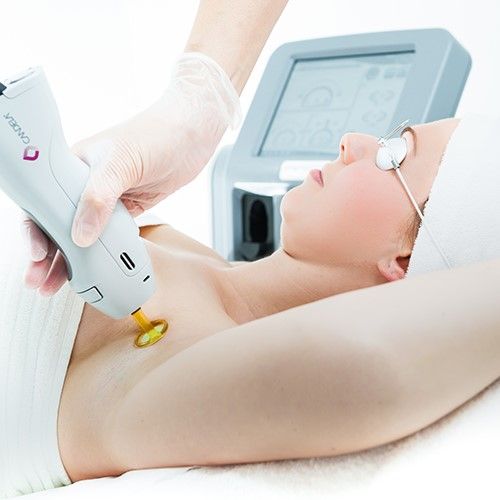
Laser hair removal uses concentrated light absorbed by melanin in the hair shaft and follicle. The absorbed energy converts to heat and damages the follicle, reducing hair growth. Treatments target active (anagen) hair, so multiple sessions spaced weeks apart are required to treat hairs in different growth phases.
Typical treatment course
Most treatment plans require 6–8 sessions for significant long-term reduction, with maintenance sessions sometimes needed. Session intervals commonly range from 4 to 12 weeks depending on the treated area.
Types of lasers and skin tone considerations
Common laser types
Devices commonly used include diode, alexandrite, and Nd:YAG lasers. Each has wavelength characteristics that influence suitability for hair thickness and skin pigmentation:
- Alexandrite: often effective for lighter skin tones and fine-to-medium hair.
- Diode: versatile; commonly used for a range of skin tones and thicker hair.
- Nd:YAG: longer wavelength, safer for darker skin types due to deeper light penetration and reduced melanin absorption in the epidermis.
Skin types and safety
Practitioners commonly reference the Fitzpatrick skin type scale to assess risk of pigment changes. Darker skin tones may require devices and settings that minimize epidermal heating. A patch test is standard to evaluate response and potential side effects.
Choosing a clinic in Riyadh
Credentials and practitioner experience
Prefer clinics with clear information about practitioner qualifications, training in laser safety, and whether treatments are supervised by licensed medical staff. Ask about device make and model, treatment protocols, and whether a patch test is included.
Facility standards and patient reviews
Take note of hygiene, informed consent procedures, and pre- and post-treatment instructions. Patient reviews can indicate satisfaction with results and service, but they do not replace verification of credentials and safety practices.
What to expect: results, side effects, and risks
Typical results
Many patients experience significant hair reduction rather than permanent elimination. Results depend on hair color, thickness, skin tone, and device used. Multiple sessions increase the chance of longer-lasting reduction.
Common side effects
Temporary redness, swelling, and mild discomfort during or after treatment are common. Less commonly, blistering, hyperpigmentation, or hypopigmentation can occur—risks that are generally reduced by proper device selection and technique.
Costs and payment considerations
Prices in Riyadh vary by clinic, area treated (e.g., upper lip vs. full legs), number of sessions included, and device. Some clinics offer package pricing for a series of sessions. Cost estimates should be obtained during a consultation that outlines the expected number of sessions and any potential need for maintenance treatments.
Preparing for treatment and aftercare
Common pre-treatment steps
Clinics commonly advise avoiding sun exposure, tanning products, and certain hair removal methods (like waxing) before sessions. A patch test and consultation typically precede full treatment.
Aftercare
Aftercare often includes sun protection, avoiding hot baths or vigorous exercise for 24–48 hours, and following any topical care instructions provided by the clinic to reduce the risk of irritation or pigment changes.
Frequently asked questions
Is laser hair removal in Riyadh safe?
Laser hair removal is considered a routine cosmetic procedure when performed by trained staff using appropriate devices and protocols. Safety depends on practitioner training, correct device selection for skin type, and adherence to pre- and post-treatment guidelines.
How many sessions are typically needed for hair reduction?
Most treatment plans include about 6–8 sessions spaced several weeks apart, but the number varies by hair density, area treated, and individual response.
Will laser hair removal work on light or gray hair?
Lasers target pigment in the hair shaft, so light blonde, red, or gray hair may respond poorly. Alternative methods or newer technologies are sometimes discussed with patients who have less pigmented hair.
How to verify a clinic's credentials in Riyadh?
Ask the clinic about licensing, practitioner qualifications, device certifications, and whether the facility follows local health authority standards. Official health department resources can provide guidance on licensed facilities and regulated practices.
Can laser hair removal cause permanent hair loss?
Laser treatment can produce long-term hair reduction but does not guarantee permanent removal for all individuals. Hormonal factors and individual hair growth cycles affect long-term outcomes; maintenance sessions may be recommended.
What questions should be asked during a consultation?
Key questions include: practitioner qualifications, device type and settings for the given skin type, expected number of sessions, cost breakdown, potential side effects, availability of a patch test, and written aftercare instructions.