Denver Roof Inspection Checklist: A Practical Guide for Homeowners
-

- Published Updated
- 361 views
Every Denver homeowner should use a Denver roof inspection checklist to spot hail, wind, and snow-related damage early. This guide explains what to inspect, how often to check, and when to call a professional — with a clear checklist and a short real-world scenario to make the process practical.
Detected intent: Informational
Use the G.A.R.D. Roof Inspection Framework (Gutters, Asphalt/shingles, Roof penetrations, Decking/structure) for each inspection. Check after major storms, before winter, and twice yearly as a baseline. This article covers costs, common mistakes, a step-by-step checklist, and actionable tips specific to Denver weather.
Denver roof inspection checklist: Step-by-step guide
Start every inspection from the ground and move to the roof perimeter and then the roof surface. This Denver roof inspection checklist is organized to reduce risk and make findings easy to record.
Preparation and safety
- Check weather — inspect on a dry, calm day.
- Use binoculars for the initial scan; avoid rooftop climbs unless trained and equipped.
- Wear slip-resistant shoes and use fall protection if on the roof.
G.A.R.D. Roof Inspection Framework
Use this named framework on every inspection to ensure consistency:
- Gutters — Clear debris, check downspouts, look for signs of rust or separation that can indicate poor drainage.
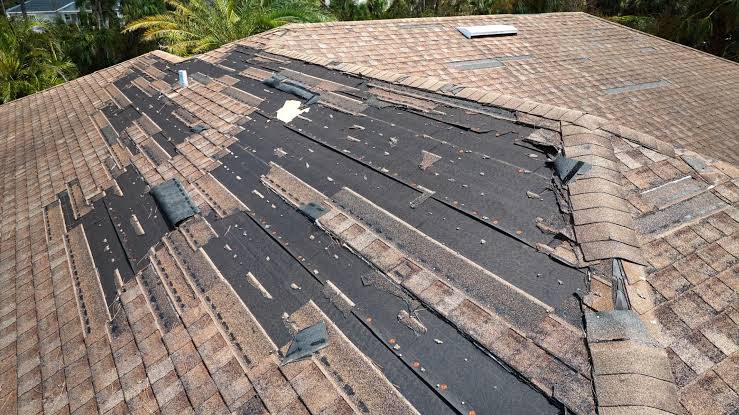
- Asphalt/shingles — Look for bruising, granule loss, curling, or missing shingles; note hail impacts.
- Roof penetrations — Inspect flashing around chimneys, vents, skylights, and plumbing stacks for cracks, separations, or sealant failure.
- Decking/structure — From the attic, check decking for sagging, light penetration, and moisture stains that signal leaks.
Exterior perimeter and attic checks
- Perimeter: Inspect fascia, soffits, and eaves for water stains and animal entry points.
- Attic: Check insulation, ventilation, and look for mold or wet insulation; inspect rafters and decking for rot.
When and how often to inspect your roof
Regular inspections reduce repair costs and extend service life. For Denver homes, inspect after every severe storm (hail or high wind), before the winter freeze, and conduct a routine check twice a year in spring and fall. This answers the common homeowner question about how often to inspect your roof and addresses seasonal risks like hail and ice dams.
Understanding costs and contractor considerations
Expect variable pricing when hiring a professional. Simple inspections may cost a modest fee, while detailed roof certifications or insurance claim reports cost more. Search phrases like Denver roof inspection cost typically return a range because factors include roof size, pitch, type of roofing material, and whether an infrared attic scan or drone imaging is used.
Insurance and documentation
- Photograph all findings and keep dated notes — essential for insurance claims.
- Confirm contractor licensing and check with local building authorities on permit needs for repairs.
- Refer to industry best practices from the National Roofing Contractors Association for inspection standards and terminology: National Roofing Contractors Association.
Short real-world scenario
A Denver homeowner noticed granules in gutters after a summer hailstorm. Using the G.A.R.D. framework, the homeowner documented multiple bruised shingles and a cracked chimney flashing from the roof scan. Photographs were uploaded to the insurance portal and the homeowner scheduled a certified roofer for a follow-up. Early detection prevented a developing leak and reduced repair scope.
Practical tips
- Take consistent photos from the same vantage points each inspection to track deterioration.
- Keep a simple log (date, weather, observations) and compare year-to-year to spot accelerating wear.
- After hail, prioritize inspecting for bruised shingles and granule loss around gutter collectors.
- Verify attic ventilation — poor ventilation accelerates shingle aging and can create ice dam conditions in winter.
Common mistakes and trade-offs
Common mistakes can increase repair costs and risk. Understand trade-offs when deciding between DIY checks and professional inspections.
Common mistakes
- Climbing on the roof without proper training or equipment, causing injury or damage.
- Failing to check the attic — many leaks are visible first from inside.
- Ignoring minor signs like missing granules or small flashing gaps until a leak develops.
Trade-offs
- DIY inspections save money but miss subtle structural or underlayment issues that a trained inspector or infrared scan would find.
- Hiring a full diagnostic (drone, thermal, and report) costs more but is valuable for older roofs, post-storm claims, or before selling a home.
Core cluster questions
- How does hail damage appear on asphalt shingles?
- What are the signs of roof leaks in the attic?
- When should a roof be replaced versus repaired?
- How to document roof damage for an insurance claim?
- What role does ventilation play in roof lifespan?
Inspection checklist (printable steps)
- Ground scan: Walk perimeter, use binoculars, photograph all elevations.
- Gutters and downspouts: Clear debris, check for granules, note drainage issues.
- Shingles and flashing: Look for missing, cracked, blistered, or curled shingles; inspect flashing and sealants.
- Roof penetrations: Check vents, skylights, chimneys for proper flashing and gaps.
- Attic: Inspect for stains, wet insulation, mold, and daylight entering through roof deck.
- Document: Timestamp photos, write short notes, store in a dedicated folder for claims or maintenance planning.
FAQ: What Denver roof inspection checklist items are most urgent after a storm?
Priority items include visible hail impacts, missing shingles, compromised flashing, and signs of active leaks in the attic. Document conditions thoroughly and contact a licensed roofing professional for safety and insurance guidance if damage is significant.
How much does a professional roof inspection usually cost in Denver?
Costs vary by roof complexity and report type. Basic visual inspections are generally less expensive; full diagnostic inspections with drone or thermal imaging cost more. Confirm whether the fee is waived if repairs follow.
How often should homeowners inspect their roof in Denver?
Inspect twice yearly (spring and fall), after major storms, and before winter. Additional checks may be needed after hail, heavy wind events, or roof work.
Does homeowner insurance usually cover hail damage to roofs?
Many standard homeowner policies cover sudden hail and wind damage, subject to deductibles and policy terms. Prompt documentation and timely filing improve the likelihood of a smooth claim process.
Is the Denver roof inspection checklist enough, or when is a professional assessment required?
The checklist helps detect issues early. A professional assessment is recommended when there are visible structural concerns, suspected leaks, or when preparing an insurance claim or home sale. Professionals can perform a comprehensive evaluation including underlayment, decking, and ventilation diagnostics.