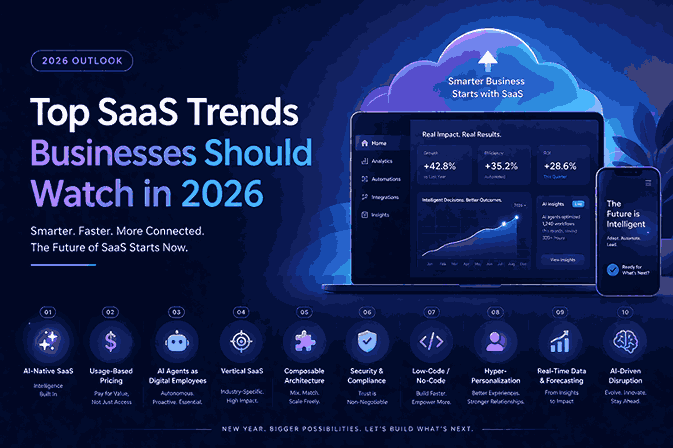
Top SaaS Trends Businesses Should Watch in 2026
-

- April 17th, 2026
- 5,830 views

FREE SEO Topical Map Generator: Find Your Next Content Ideas
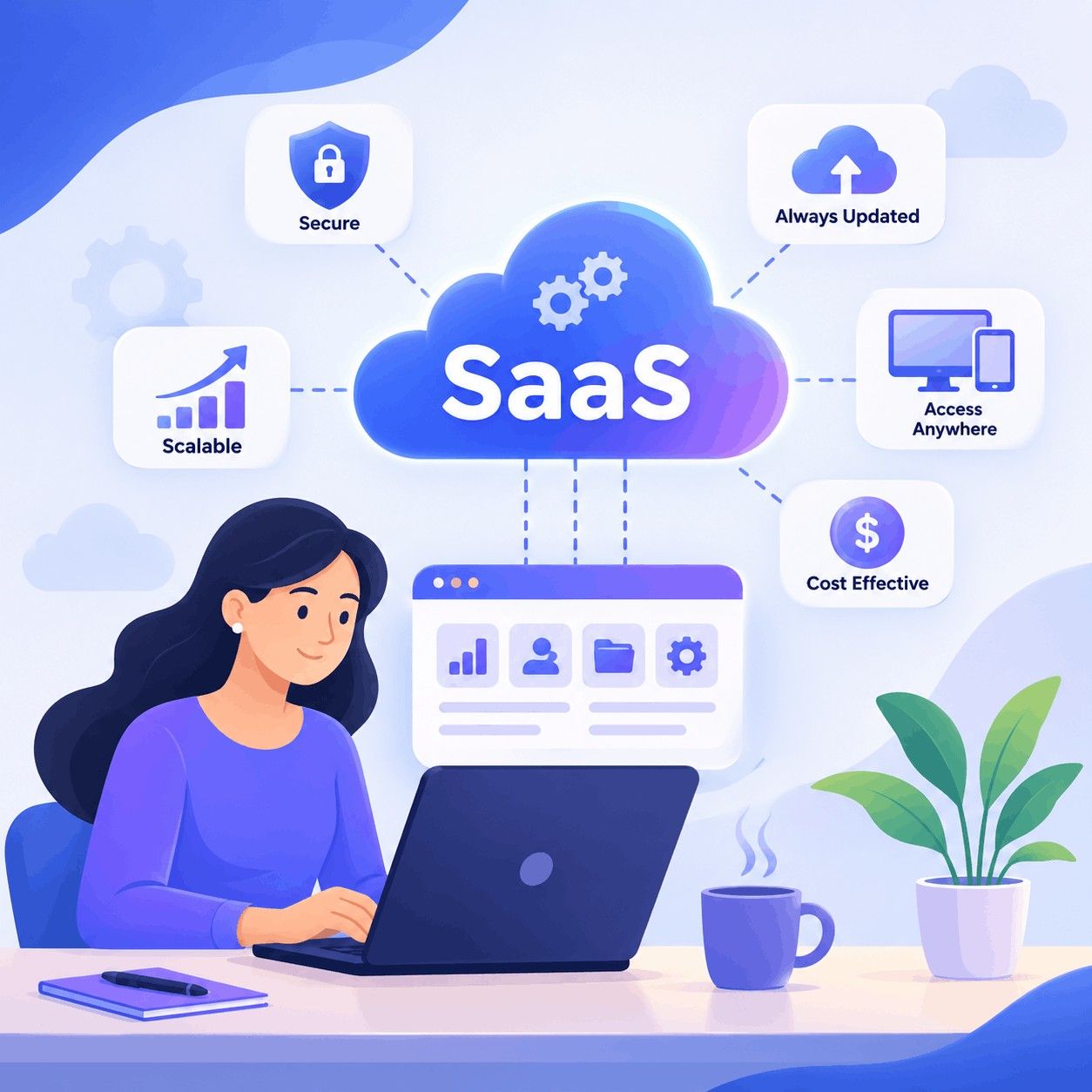
The Software-as-a-Service (SaaS) industry continues to evolve rapidly, reshaping how businesses operate, scale, and compete in a digital-first world. As we step into 2026, organizations must stay ahead of emerging trends to remain competitive and efficient. From automation to API-driven infrastructure, SaaS is becoming more intelligent, integrated, and essential than ever.
In this article, we explore the top SaaS trends businesses should watch in 2026 and how leveraging tools like a print mail api and check printing api can streamline operations and enhance productivity.
1. API-First SaaS Ecosystems
One of the most prominent trends in 2026 is the rise of API-first SaaS platforms. Businesses are increasingly adopting modular solutions that can seamlessly integrate with existing systems. Instead of relying on monolithic software, companies now prefer flexible APIs that allow them to build customized workflows.
APIs enable automation, reduce manual tasks, and improve data synchronization across platforms. For example, integrating a print mail API allows businesses to automate direct mail campaigns without manual intervention. Similarly, a check printing API simplifies financial operations by automating check issuance, reducing errors, and saving time.
This shift toward API-driven SaaS is empowering businesses to create scalable and highly efficient tech stacks.
2. Hyper-Automation Across Business Processes
Automation is no longer limited to simple tasks. In 2026, hyper-automation is transforming entire business workflows. SaaS platforms are leveraging AI, machine learning, and robotic process automation (RPA) to automate complex operations.
From customer onboarding to billing and communication, automation is becoming deeply embedded in SaaS tools. For instance, businesses can now automate physical mail delivery using a print mail API, eliminating the need for manual printing and mailing processes.
Hyper-automation not only improves efficiency but also enhances accuracy and reduces operational costs, making it a must-have capability for modern businesses.
3. Vertical SaaS Solutions
Vertical SaaS is gaining traction as businesses seek industry-specific solutions tailored to their unique needs. Unlike generic SaaS platforms, vertical SaaS tools are designed for specific industries such as healthcare, finance, real estate, and eCommerce.
These solutions offer specialized features, compliance capabilities, and workflows that cater to niche requirements. For example, financial institutions can benefit from a check printing API that ensures secure and compliant check processing.
As competition increases, vertical SaaS providers are differentiating themselves by offering deeper functionality and better user experiences for targeted industries.
4. AI-Powered SaaS Platforms
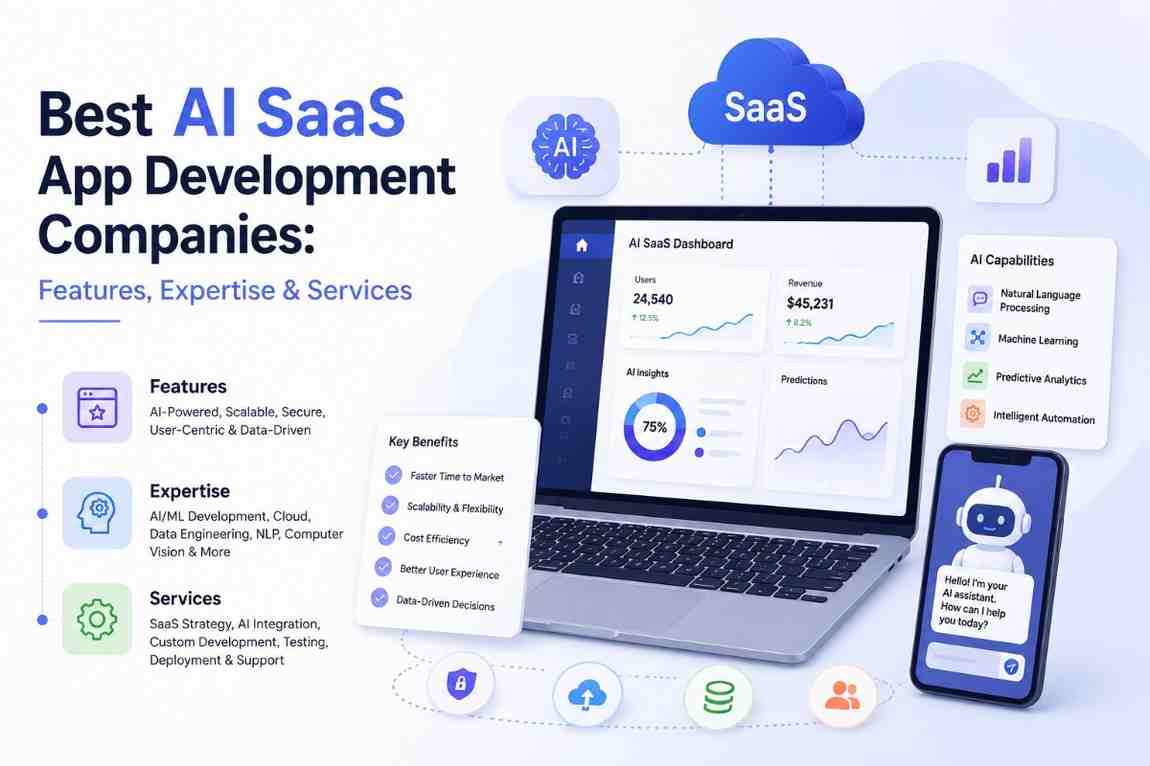
Artificial Intelligence (AI) is at the core of SaaS innovation in 2026. From predictive analytics to intelligent automation, AI is enhancing the capabilities of SaaS platforms.
Businesses are using AI-powered tools to:
Analyze customer behavior
Optimize marketing campaigns
Predict revenue trends
Automate decision-making processes
AI integration also improves operational workflows. For instance, combining AI with a print mail API can help businesses personalize direct mail campaigns based on customer data, increasing engagement and ROI.
As AI continues to evolve, SaaS platforms will become more proactive, offering insights and recommendations rather than just tools.
5. Increased Focus on Data Security and Compliance
With the growing reliance on SaaS, data security and compliance have become top priorities for businesses. In 2026, SaaS providers are investing heavily in advanced security measures such as encryption, multi-factor authentication, and zero-trust architecture.
Compliance is especially critical for industries dealing with sensitive data, such as finance and healthcare. Tools like a check printing API ensure secure transactions while adhering to regulatory standards.
Businesses are also prioritizing vendors that offer transparent security policies and compliance certifications, making trust a key factor in SaaS adoption.
6. Low-Code and No-Code Platforms
Low-code and no-code SaaS platforms are democratizing software development. These tools enable non-technical users to build applications, automate workflows, and customize processes without writing extensive code.
In 2026, businesses are leveraging these platforms to:
দ্রুত develop internal tools
automate repetitive tasks
create integrations between SaaS applications
For example, a business can use a no-code platform to integrate a print mail API into their CRM system, enabling automated mailing workflows without requiring developer expertise.
This trend is accelerating innovation and reducing dependency on IT teams.
7. Subscription Model Innovation
The traditional SaaS subscription model is evolving. Businesses are experimenting with flexible pricing structures such as usage-based pricing, tiered subscriptions, and pay-as-you-go models.
This shift allows customers to pay only for what they use, making SaaS solutions more accessible and cost-effective. APIs like check printing API and print mail API often follow usage-based pricing, enabling businesses to scale operations without upfront costs.
Flexible pricing models are becoming a competitive advantage for SaaS providers, attracting a broader customer base.
8. Enhanced Customer Experience Through SaaS
Customer experience (CX) is a major focus for SaaS companies in 2026. Businesses are using SaaS tools to deliver personalized, seamless, and omnichannel experiences.
From automated email campaigns to physical mail delivery, SaaS platforms are enabling businesses to engage customers across multiple touchpoints. A print mail API, for instance, allows companies to send personalized postcards, letters, and documents automatically.
By integrating various communication channels, businesses can create cohesive customer journeys that improve satisfaction and retention.
9. Remote Work and Collaboration Tools
The shift to remote and hybrid work environments continues to drive demand for SaaS collaboration tools. Platforms that enable communication, project management, and document sharing are essential for modern teams.
In 2026, SaaS tools are becoming more collaborative, offering real-time updates, AI-driven insights, and seamless integrations. Businesses are also automating administrative tasks, such as sending contracts or payments, using APIs like check printing API.
These tools enhance productivity and ensure teams can work efficiently regardless of location.
10. Sustainability and Green SaaS
Sustainability is becoming a key consideration in SaaS adoption. Businesses are looking for eco-friendly solutions that reduce their carbon footprint.
Cloud-based SaaS platforms inherently support sustainability by minimizing the need for physical infrastructure. Additionally, APIs like print mail API optimize mailing processes, reducing waste and improving efficiency.
SaaS providers are also adopting green data centers and energy-efficient practices, aligning with global sustainability goals.
Conclusion
The SaaS landscape in 2026 is defined by innovation, flexibility, and efficiency. From API-first ecosystems to AI-powered automation, businesses have access to powerful tools that can transform their operations.
Leveraging solutions like a print mail api and check printing api enables companies to automate critical processes such as mailing and payments, improving accuracy and saving time.
As these trends continue to evolve, businesses that embrace modern SaaS technologies will be better positioned to scale, compete, and thrive in an increasingly digital world. Staying ahead of these trends is no longer optional—it’s essential for long-term success.