Safe Home Methods to Clean and Polish Jewellery: A Practical Guide
-

- Published Updated
- 1,978 views
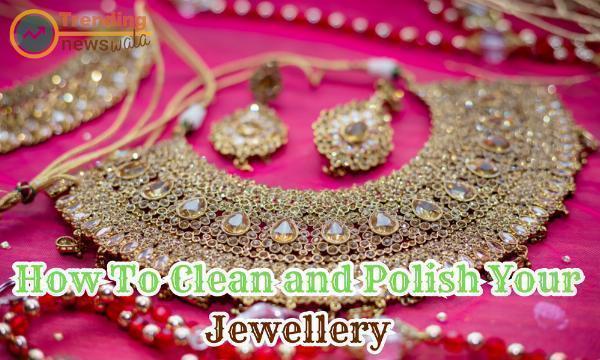
This practical guide explains how to clean and polish your jewellery at home while protecting metals, gemstones and delicate surfaces. Learn how to clean and polish your jewellery safely, what tools to use, which treatments to avoid, and when to consult a professional jeweller.
- Use mild soap, warm water and a soft brush for most gold and platinum pieces.
- Silver often needs gentle polishing to remove tarnish; avoid abrasive cleaners on plated items.
- Some gemstones (pearls, opals, emeralds) are porous or treated and require special care.
- Ultrasonic cleaners are useful for hard stones like diamonds but can damage softer or treated gems.
- For professional polishing, rhodium plating or deep cleaning, consult a certified jeweller.
How to clean and polish your jewellery: step-by-step methods
General cleaning for most metal jewellery
Prepare a bowl of warm water with a few drops of mild dish soap. Place jewellery in the solution for 10–15 minutes, then use a soft toothbrush or cloth to remove dirt, especially from settings and crevices. Rinse under warm running water and pat dry with a lint-free microfibre cloth. Avoid soaking porous gems such as pearls or opals.
Tools and supplies
Useful tools include a soft-bristle toothbrush, a microfibre or cotton polishing cloth, a bowl, mild liquid soap, distilled water (if tap water is hard), and a hairdryer on low for careful drying. Avoid household abrasive powders, silver dips for plated pieces, and harsh chemicals that can strip finishes.
Polishing techniques
Polishing cloths impregnated with gentle polishing agents are designed for specific metals like silver or gold and remove surface oxidation without heavy abrasion. Use light, consistent strokes following the piece's contours. For tarnished sterling silver, use a cloth or a paste made for silver; for heavy tarnish, professional polishing is safer to preserve details and hallmarks.
Material-specific guidance and safety
Gold, platinum and solid precious metals
Solid gold and platinum are durable and usually tolerate mild soapy cleaning and gentle polishing. Avoid strong alkaline cleaners and unnecessary mechanical abrasion that can thin delicate details or remove karat markings.
Silver and silver-plated items
Sterling silver requires periodic polishing to remove tarnish. Use products specifically formulated for sterling silver. Do not use these on silver-plated jewellery because aggressive polishing or re-plating may be required to restore the finish; consult a professional for plated pieces.
Diamonds and hard gemstones
Diamonds, sapphires and rubies are hard (high on the Mohs scale) and often safe in ultrasonic cleaners and steam cleaners, but caution is necessary when stones are fractured, treated, or set with adhesives. Avoid ultrasonic cleaning for stones with inclusions or fracture-filled gems.
Delicate and porous gems: pearls, opals, emeralds, turquoise
Pearls and many opals are porous and soft; they should never be soaked or exposed to ultrasonic or steam cleaning. Wipe these gems with a soft, damp cloth after wear and store them separately. Emeralds are often treated with oils; avoid solvents and ultrasonic cleaners which can remove treatments.
Costume and plated jewellery
Costume jewellery and plated pieces can lose their finish if exposed to soaps, perfumes, or abrasive polishing. Clean carefully with a soft dry or slightly damp cloth and avoid prolonged immersion in water or chemical cleaners.
When to use ultrasonic cleaners and professional services
Ultrasonic and steam cleaners
Ultrasonic cleaners use high-frequency vibrations to remove dirt and are effective for unfractured hard stones and many metal settings. They are not suitable for porous, treated or soft gemstones (pearls, opals, emeralds, lapis). If unsure about a stone's treatment or stability, avoid ultrasonic cleaners.
Professional polishing and restoration
For deep scratches, significant tarnish, loose settings, or restoration (including rhodium replating for white gold), seek a professional jeweller or gemmologist. Certified professionals can inspect for wear, securely reset stones, and perform restorations that preserve value and integrity.
For reliable, research-based guidance on gemstone care and identification, consult the Gemological Institute of America (GIA) resources: https://www.gia.edu. Official resources can help identify treatments and appropriate care.
Storage and routine care to prevent damage
Storage recommendations
Store jewellery separately in soft pouches or compartments to prevent scratching and tangling. Keep pearls and some opals in a slightly humid environment (not airtight for long periods) to prevent drying out. Keep pieces away from direct sunlight and chemical exposure.
Regular checks
Inspect settings, prongs and clasps regularly. Loose stones, bent prongs or worn links should be repaired promptly to avoid loss. A jeweller can provide routine maintenance and cleaning that preserves both appearance and safety.
How often to clean
Light cleaning after regular wear keeps pieces looking their best. More intensive cleaning depends on use and environment: daily-worn rings may need weekly care, while occasional pieces can be cleaned less often. Excessive polishing can wear plated finishes over time.
FAQ
How often should you clean and polish your jewellery?
Frequency depends on how often pieces are worn and the materials involved. Everyday items can be cleaned weekly with mild soap and a soft cloth; delicate or treated gems need gentler, less frequent care. Have valuable items professionally inspected yearly.
Is it safe to use toothpaste or baking soda on jewellery?
Toothpaste and baking soda are abrasive and can scratch metals and gemstones, remove plating, or dull polished finishes. Use products made for jewellery or gentle soap instead.
Can ultrasonic cleaners damage jewellery?
Ultrasonic cleaners can damage porous, treated or fracture-filled stones and some antique pieces. They are most appropriate for well-set hard gemstones and solid metal settings; if in doubt, consult a professional jeweller.
When should professional polishing be chosen over home cleaning?
Choose professional services for deep scratches, significant tarnish, loose stones, re-plating, or when the piece has sentimental or high monetary value. Professionals have tools and expertise to avoid accidental damage.
What are signs that a gemstone needs specialist care?
Visible cracks, cloudy appearance after cleaning, changes in color, loose settings, or known treatments (such as oiling) indicate the need for specialist assessment before attempting any cleaning or ultrasonic treatment.
Regular, careful cleaning and appropriate storage extend the life and appearance of jewellery. When uncertain about a material or treatment, professional advice preserves both beauty and value.