Safeguarding Pest Control Services in Wadala: Practical Steps for Effective, Safe Management
-

- Published Updated
- 672 views
Informational
Maintaining reliable pest control services in Wadala protects public health, preserves property value, and supports local businesses. This guide explains why pest control matters in urban neighbourhoods, outlines safe practices for operators and property managers, and provides an actionable framework to safeguard the service ecosystem.
pest control services in Wadala: why they are essential and how to protect them
Wadala combines dense residential complexes, commercial premises, and transit nodes—conditions that increase pest pressure from rodents, cockroaches, mosquitoes, and stored-product pests. Protecting pest control services means ensuring operator training, municipal oversight, and community awareness so interventions remain effective, safe, and trusted. Related terms include integrated pest management (IPM), pest inspection, exclusion, insecticide stewardship, and municipal health regulations.
Key functions, stakeholders, and standards
Primary stakeholders include residents, building management, hospitality and food businesses, licensed pest control operators, municipal health departments, and waste management services. Effective services combine inspection, monitoring, non-chemical solutions (exclusion, sanitation), targeted chemical treatment, and follow-up. Formal standards from public health authorities and international guidance on vector control support best practice; see the WHO vector-borne disease guidance for general principles on safe, evidence-based interventions.
PEST-SAFE Checklist (named framework)
Use the PEST-SAFE checklist to evaluate contracts, operations, and community policies. It is designed for property managers, local committees, and municipal officers.
- P — Permit & licensing: Verify contractor licenses and insurance.
- E — Evaluation: Require pre-treatment inspections and written plans.
- S — Safety protocols: Confirm PPE, chemical handling, and MSDS availability.
- T — Transparency: Ask for written reports, bait logs, and reservice schedules.
- S — Sanitation: Enforce waste and food storage controls that reduce pest harbourage.
- A — Alternatives: Prioritise exclusion and mechanical controls before chemicals.
- F — Follow-up: Schedule monitoring visits and performance reviews.
- E — Education: Provide resident and staff guidance on prevention measures.
Operational practices that safeguard quality
Implement practical controls aligned with IPM: routine inspections, baits and traps used selectively, sealing entry points, improving drainage and waste handling, and training technicians on product labels and legal limits. Keep records of pesticide use, target species, and efficacy. Encourage integration with municipal sanitation schedules and building maintenance plans for longer-term prevention.
Short real-world example
A mid-rise apartment complex in Wadala faced recurring rodent sightings. The building committee switched from reactive fogging to an integrated plan: structural exclusion of elevator shafts and service ducts, placement of tamper-proof bait stations, sealing of external garbage rooms, monthly monitoring reports from a licensed operator, and tenant education on waste disposal. Within three months, rodent activity dropped and chemical use was reduced by 60%.
Practical tips (3–5 actionable points)
- Require a written inspection and treatment plan before any contract is accepted.
- Prioritise non-chemical measures: seal openings larger than 6 mm, fix leaks, and manage refuse storage.
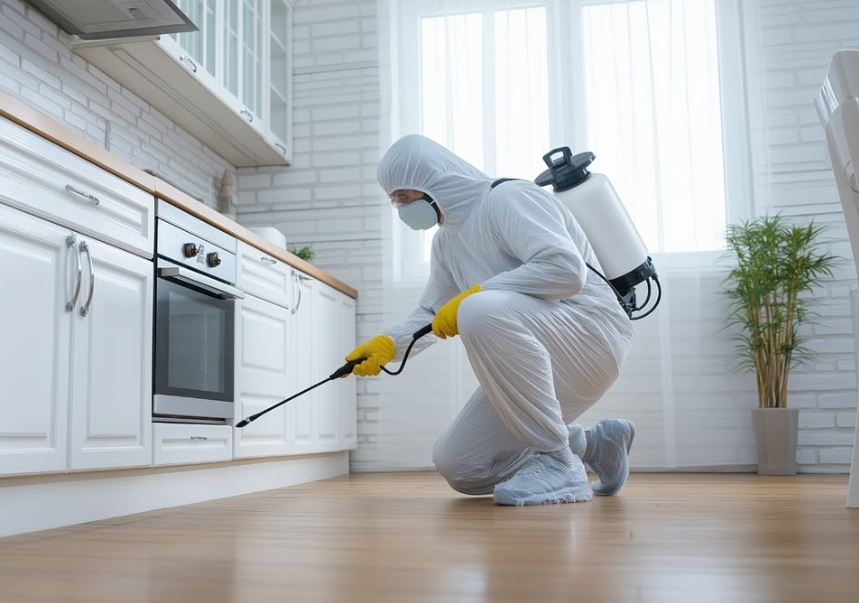
- Verify that technicians carry PPE and read product labels; refuse mid-night ad hoc fogging without documentation.
- Keep a service log accessible to building management showing dates, methods, and follow-up actions.
Trade-offs and common mistakes
Common mistakes include relying solely on chemical fogging, selecting contractors by price alone, and failing to monitor outcomes. Trade-offs exist: immediate fogging can reduce visible pests quickly but often masks underlying conditions and drives resistance; by contrast, exclusion and sanitation require upfront investment and coordination but deliver durable results. Balance short-term control with long-term prevention through the PEST-SAFE checklist.
Core cluster questions for internal linking and content hubs
- How does integrated pest management reduce pesticide use in urban housing?
- What documentation should a licensed pest control operator provide after a service?
- Which structural exclusion techniques are most effective for rodents in multi-storey buildings?
- How can building managers coordinate waste handling and pest control for better outcomes?
- What safety measures protect tenants and technicians during chemical treatments?
Monitoring, compliance, and community engagement
Set measurable KPIs: reduction in sightings, number of follow-up visits, and decreased pesticide volume over time. Coordinate with municipal health inspections and require contractors to comply with local waste disposal rules. Provide tenants with simple prevention checklists and a single point of contact for reporting pest sightings.
Implementing change: practical steps for a building manager or committee
- Audit current vendors using the PEST-SAFE checklist.
- Request trial service with inspection, written plan, and monitoring schedule.
- Track outcomes for 3–6 months and shift payment terms to include performance milestones.
FAQ: How to choose pest control services in Wadala?
Choose operators with valid licences, insurance, documented inspection reports, and a preference for IPM techniques. Confirm proper storage and disposal of pesticides and request references from similar properties.
How quickly will pest control work reduce infestations?
Timing varies by pest and intervention: some measures (trapping, baiting) show results within days to weeks, while exclusion and sanitation improvements deliver gradual, longer-term reductions. Monitor and adjust the plan as needed.
Are chemical treatments safe for children and pets?
Chemical treatments can be safe when applied by licensed technicians following label instructions and allowing re-entry times. Prioritise low-toxicity products, tamper-proof stations, and clear occupant guidance to minimise exposure risks.
What records should be kept after each service?
Keep inspection reports, treatment logs, product labels (or MSDS), technician details, and follow-up schedules. These documents support accountability, regulatory compliance, and performance reviews.