Sar Pass Trek Guide: Beginner-Friendly Himalayan Trek in Parvati Valley
-
- February 23rd, 2026
- 1,360 views
The Sar Pass Trek is a popular beginner-friendly Himalayan trek in the Parvati Valley of Himachal Pradesh that combines alpine meadows, snowfields and village trails. This guide covers the route, fitness expectations, recommended season, altitude considerations and practical planning details for those considering the trek.
- Region: Parvati Valley, Kullu district, Himachal Pradesh
- Typical duration: 5–7 days (round trip from Barshaini/Kasol)
- Maximum altitude: around 4,200 m (approx. 13,780 ft)
- Difficulty: Moderate — suitable for fit beginners with acclimatization
- Best season: late spring to early summer (May–June) and autumn (September–October)
Sar Pass Trek: Overview
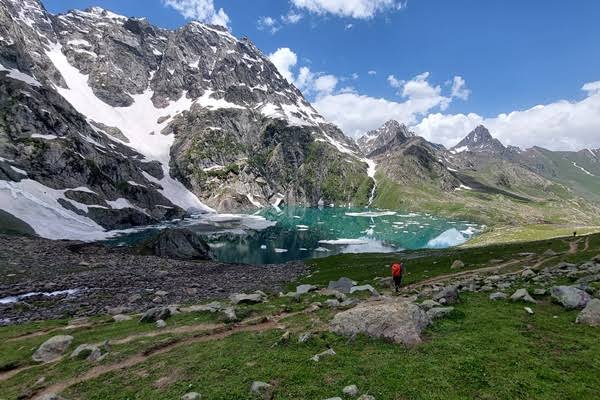
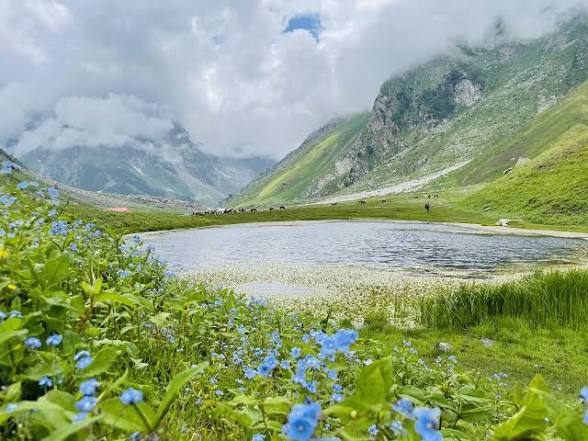
The Sar Pass Trek begins in the Parvati Valley near Kasol and Barshaini and typically finishes at Grahan or back at the launch point. The route passes through mixed terrain including forest trails, alpine meadows (bugyals), snowfields and a high col or pass. The presence of snow at higher elevations and the scenic ridgelines make the trek attractive to newcomers to Himalayan trekking.
Why the Sar Pass Trek is considered beginner-friendly
Progressive altitude and manageable daily distances
Daily walking stages are generally moderate, allowing gradual ascent. Typical itineraries allocate time for acclimatization and include one or two nights at lower camps before crossing the pass.
Clear trails and common camping logistics
Well-trodden trails and a well-established camping infrastructure (tented camps and guides/porters available locally) reduce navigational challenges. Local trekking operators and experienced guides are available in Kasol and nearby towns for group or private arrangements.
Planning and preparation
Fitness and training
Cardiovascular fitness, leg strength and endurance training are recommended. Regular hill walks, stair climbing and carrying a daypack in training weeks will help. No specialized technical climbing skills are required, but basic knowledge of walking on snow (using trekking poles and proper footwear) is useful.
Acclimatization and altitude
The pass reaches approximately 4,200 m. Symptoms of acute mountain sickness (headache, nausea, dizziness) are possible. Plan for gradual ascent, stay hydrated, avoid heavy exertion in the first 24–48 hours at higher elevations, and be ready to descend if symptoms worsen. Guidance from the Indian Mountaineering Foundation and local health advisories can help clarify altitude guidelines.
Permits and local regulations
Local requirements may include camping permits or registration with forest or tourism authorities. Check regulations with the Himachal Pradesh Department of Tourism or local offices before departure. For authoritative regional information, see the Himachal Pradesh Tourism Department website: himachaltourism.gov.in.
Typical itinerary
Sample 6-day schedule
- Day 1: Arrive Kasol/Barshaini, final gear check and permit formalities
- Day 2: Trek to Grahan (forest and village trails)
- Day 3: Ascend to Padri / alpine meadows
- Day 4: Approach the base of Sar Pass and camp below the pass
- Day 5: Cross Sar Pass, descend to Biskeri or stay at an intermediate camp
- Day 6: Return to Barshaini/Kasol and depart
Itineraries vary by operator, weather and group pace. Allow flexibility for acclimatization and weather delays.
What to pack
Essential clothing and gear
- Insulating layers (fleece, down jacket), breathable base layers
- Waterproof outer shell (jacket and pants)
- Quality trekking boots with ankle support and sturdy soles
- Trekking poles, headlamp, sun protection (hat, sunglasses, sunscreen)
- Warm sleeping bag rated for near-freezing temperatures
- First-aid kit and medications for common altitude symptoms
Food, water and hygiene
Local camps usually provide meals; carrying water purification tablets or a filter is recommended. Carry personal hygiene items and high-energy snacks for daily stages.
Safety considerations
Weather and seasonality
Weather in the Himalaya can change rapidly. Monsoon months bring heavy rain and risk of landslides; winter months lead to deep snow and avalanches at higher elevations. Peak windows for safer trekking are late spring/early summer and autumn. Monitor weather forecasts and heed local guide advice.
Emergency planning
Carry a communication device that works in mountainous terrain (satellite messenger or local SIM depending on coverage). Know the location of the nearest town with medical facilities. Consider trekking with licensed guides familiar with emergency evacuation routes.
Environmental and cultural notes
Respect local communities and natural habitats. Follow Leave No Trace principles: pack out non-biodegradable waste, minimize campfire use, and avoid disturbing flora and fauna. Parvati Valley has small villages with distinct cultural practices—polite local interaction and following village customs are encouraged.
Local resources and organizations
For official guidance on trekking and tourism in the region, consult the Himachal Pradesh Department of Tourism. For mountaineering standards and training information, refer to resources from the Indian Mountaineering Foundation.
Conclusion
Sar Pass Trek offers a balanced introduction to high-altitude trekking in the Indian Himalaya: scenic views, varied terrain and a clear route that suits fit beginners who prepare properly, allow time to acclimatize and plan for weather contingencies. Proper planning, a cautious approach to altitude and respect for local conditions make the trek a memorable and attainable Himalayan experience.
Is the Sar Pass Trek suitable for beginners?
Yes. The Sar Pass Trek is widely regarded as beginner-friendly, provided participants have a reasonable level of fitness, allow for acclimatization and go with a reliable guide or experienced operator if unfamiliar with Himalayan conditions.
How long does the Sar Pass Trek take?
Typical itineraries range from 5 to 7 days round trip, depending on the chosen route, pace and weather.
When is the best time to attempt the Sar Pass Trek?
The most common windows are late spring to early summer (May–June) and autumn (September–October). Monsoon and deep winter bring higher risk and are generally not recommended for inexperienced trekkers.
What permits are required for the Sar Pass Trek?
Permit requirements can vary; trekkers should check with the Himachal Pradesh tourism authorities or local offices for up-to-date information and register if required.
What precautions reduce the risk of altitude sickness?
Ascend gradually, include rest/acclimatization days in the itinerary, stay hydrated, avoid alcohol, and descend immediately if severe symptoms of altitude sickness develop. Consult health advisories from recognized mountaineering and health organizations before travel.