What Is Saree? Complete Guide for Beginners
-

- May 12th, 2026
- 7,677 views

If you've searched "what is saree" and felt buried in fashion terms, here's the simple version. A saree is a long piece of unstitched cloth that you wrap around your body, then drape over your shoulder.
The saree meaning comes from an old Sanskrit word for a strip of cloth. But the traditional Indian saree is more than fabric. In India, it's tied to culture, memory, ceremony, and personal style.
Once you know the basics, it stops looking complicated and starts making sense.
What Is a Saree?
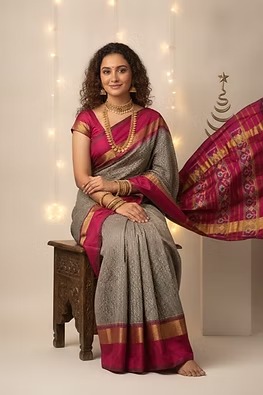
The easiest saree definition is this: a saree, also spelled sari, is usually 4 to 9 yards of fabric worn with a blouse and a petticoat. You tuck one end at the waist, make pleats in front, and place the loose end, called the pallu, over your shoulder.
That's what makes a saree different from a dress. A dress is stitched into shape. A saree changes shape based on how you wear it. The same cloth can look formal, festive, minimal, or fashion-forward.
History of Saree in India
The history of the saree goes back thousands of years, often linked to the Indus Valley Civilization, around 2800 to 1800 BCE. Ancient Indian art and epics, including the Mahabharata, show women in draped garments.
Over time, saree history became regional too. Banarasi weaving grew in North India. Kanjivaram silk became famous in the South. Bandhani thrived in Gujarat and Rajasthan. When you learn about saree origin, you also learn about handloom skill and saree culture in India.
Importance of Saree in Indian Culture
If you want to understand the importance of saree in Indian culture, look at where you see it. Weddings, festivals, prayers, office events, family photos, and everyday routines.
A saree is graceful, but it also carries emotion. One silk saree can be a wedding outfit, a family heirloom, and a memory you keep for decades. That's why saree Indian culture still feels personal, not distant.
What Are Sarees Made Of?
The most common saree fabric types are cotton, silk, chiffon, georgette, linen, and organza. Fabric changes everything, comfort, drape, shine, and how easy the saree feels on your body.
Cotton Sarees
Cotton is breathable and practical. If you want an everyday saree or something for warm weather, cotton is a safe start.
Silk Sarees
Silk feels rich and structured. It's the classic pick for weddings, festivals, and traditional celebrations.
Chiffon & Georgette Sarees
These fabrics are light and flowy. They drape easily, which is why many beginners like them.
Linen Sarees
Linen has a clean, crisp look. It works well if you want elegance without too much shine.
Organza Sarees
Organza is sheer and slightly stiff. It looks trendy and gives the pallu a neat, shaped finish.
Types of Sarees Every Beginner Should Know
Some types of sarees are defined by region, others by fabric or styling. Banarasi and Kanjivaram are traditional and detailed. Bandhani is colorful and full of patterns. Chiffon, linen, and organza suit modern wardrobes well.
Then you have designer sarees. These often use lighter drapes, sequins, ruffles, belts, or pre-stitched details. If you're new, pick saree styles that look polished without feeling hard to manage.
How to Wear a Saree for Beginners
Learning how to wear a saree becomes easier once you stop overthinking it. Start with a fitted blouse, a secure petticoat, and a few safety pins.
Tuck the plain end into your petticoat and wrap it once around your waist.
Make 5 to 7 front pleats and pin them.
Take the remaining fabric around your body.
Bring the pallu over your left shoulder and pin it.
The usual beginner mistakes are slippery fabric, messy pleats, and the wrong blouse fit. If you want an easier first try, choose chiffon, georgette, or a pre-pleated saree for beginners. One pin at the shoulder and one at the waist can make a big difference.
Popular Saree Draping Styles
Different saree draping styles change the whole look.
Nivi Style
This is the classic drape most people picture, with front pleats and the pallu over the left shoulder.
Bengali Style
This style uses wider pleats and a fuller pallu. It feels traditional and festive.
Gujarati Style
Here, the pallu comes to the front. It's popular for celebrations because the border stays visible.
Modern Belt Saree Style
A belt holds the saree at the waist and gives you a cleaner, more current silhouette.
Read More: Complete Guide to Indian Sarees for Women: Types, Draping Styles
Why Women Still Love Sarees
Many women in saree say the same thing, it changes how you carry yourself. You stand taller. You feel dressed with purpose.
It also works across settings. With the right fabric and blouse, you can wear a saree to a wedding, the office, dinner, or a festival. That's why saree culture still fits modern life.
How to Choose the Right Saree
Start with the occasion. Silk suits weddings. Cotton and linen fit work or daily wear. Chiffon and georgette are easier for beginners and party looks.
Then look at color, weight, and fall. Dark shades feel dressier. Pastels look soft and current. If you're browsing designer sarees online, zoom into the fabric texture and read the blouse details before you decide.
Best Designer Sarees Online
Buying a designer saree online gives you more choice, often at better prices than limited local stock. You can compare borders, drape, blouse pieces, embellishment, and delivery time in one sitting.
If you want the best designer sarees online, choose stores with clear photos, honest fabric labels, customer reviews, and a return policy you can live with. When you buy designer sarees online, don't shop by picture alone. Check weight, transparency, blouse inclusion, and care instructions.
Shop elegant designer sarees online for weddings, office wear, festivals, and everyday style.Compare fabric details, delivery dates, and return rules before you buy.
Common Saree Mistakes Beginners Should Avoid
The first mistake is picking a difficult fabric too soon. Heavy silk can look stunning, but it can fight you during pleating. The next mistake is over-accessorizing. If the saree is detailed, keep the jewelry lighter.
Blouse fit is another common problem. Too tight feels restrictive. Too loose ruins the drape. Clean pleats, a good fit, and two well-placed pins usually beat extra styling tricks.
FAQs
What is the meaning of saree?
The word comes from Sanskrit and means "strip of cloth," which matches the saree's unstitched form.
What are sarees made of?
Most sarees are made of cotton, silk, chiffon, georgette, linen, or organza.
Which saree fabric is best for beginners?
Chiffon and georgette are often the easiest because they feel light and drape well.
How long does it take to wear a saree?
If you're new, it may take 10 to 20 minutes. With practice, you can do it much faster.
Where can I buy designer sarees online?
You can buy sarees online from trusted ethnic wear stores that show clear photos, fabric details, customer reviews, and return policies.
Conclusion
Now you have a clear answer to what a saree is, and why the traditional Indian saree still matters. It's not only a garment. It's style, heritage, and emotion in one drape.
If you've been curious, start with an easy fabric and a simple drape. Then shop elegant designer sarees online for weddings, office wear, festivals, and everyday style with a lot more confidence.