School Based Mental Health Services: Importance, Benefits and Support
-

- Published Updated
- 1,642 views
Mental health is an important part of a child's overall health and development. Students spend a large part of their day at school, making schools an important place to identify emotional concerns, promote healthy habits, and provide access to the right support.
Know more: https://www.bluecircle.in/n/blog/school-based-mental-health-services
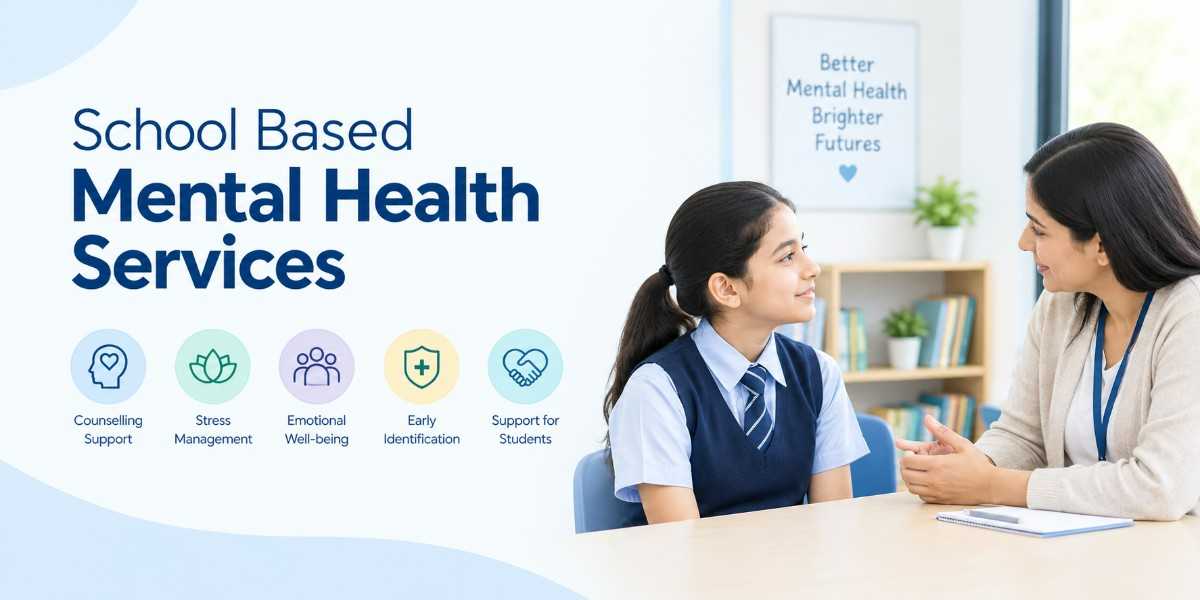
School based mental health services help students manage stress, anxiety, academic pressure, social challenges, and other emotional concerns. These services can include counselling, mental health awareness, emotional support, stress management programmes, early identification, and referrals to mental health professionals when required.
A well-planned school mental health programme can help create a safe and supportive environment where students feel comfortable discussing their concerns and asking for help.
What Are School Based Mental Health Services?
School based mental health services are health and support programmes provided within or through schools to promote the emotional and psychological well-being of students.
These services may include:
Student counselling
Mental health awareness programmes
Stress management sessions
Emotional wellness activities
Behavioural support
Early identification of concerns
Parent and teacher guidance
Referral to mental health professionals
Crisis support when required
The main aim is to make mental health support accessible to students in an environment they already know and trust.
Why Are Mental Health Services Important in Schools?
Students can experience different challenges during their school years. Academic pressure, examinations, friendship issues, bullying, family problems, changes during adolescence, and social concerns can affect their emotional well-being.
Sometimes, students may not know how to express what they are experiencing. Changes in behaviour, attendance, concentration, sleep, or academic performance may indicate that a student needs additional support.
School based mental health services provide an opportunity to identify concerns early and connect students with suitable support.
Key Components of School Based Mental Health Services
1. Mental Health Awareness
Mental health education helps students understand emotions, stress, self-care, and the importance of seeking help. Age-appropriate awareness sessions can reduce confusion and encourage students to talk about their concerns.
2. Counselling Services
Professional counselling can provide students with a safe and private space to discuss personal, emotional, academic, or social concerns. Counsellors can help students understand their feelings and develop healthy ways to manage challenges.
3. Stress Management
Academic work and examinations can sometimes create stress among students. Schools can conduct sessions on time management, relaxation, study habits, healthy sleep, and other practical ways to manage everyday pressure.
4. Early Identification
Early identification is an important part of school mental health services. Teachers, counsellors, nurses, and parents may notice changes in a student's behaviour or performance.
Identifying concerns early can help schools provide appropriate support before the problem becomes more difficult to manage.
5. Support for Teachers and Parents
Teachers and parents play an important role in supporting student mental health. Schools can organise awareness sessions to help them understand common emotional and behavioural concerns.
Teachers can also be guided on how to respond when a student appears distressed and when professional support may be needed.
6. Referral and Follow-Up
Some students may need support beyond what a school can provide. In such cases, schools can help connect students and families with qualified mental health professionals or healthcare facilities.
Follow-up is also important to ensure that students continue receiving appropriate support.
7. Creating a Supportive School Environment
Mental health support should not be limited to counselling sessions. Schools should also promote respectful communication, positive relationships, safe classrooms, anti-bullying measures, physical activity, healthy routines, and opportunities for students to participate in school life.
A supportive environment can make it easier for students to ask for help when they need it.
Benefits of School Based Mental Health Services
A structured mental health programme can benefit students, teachers, parents, and school management. Know More: https://www.bluecircle.in/n/blog/benefits-of-mental-health-services-in-schools
Some key benefits of School Based Mental Health Services include:
Better awareness of mental health
Early identification of concerns
Improved emotional support
Better stress management
Increased access to counselling
Improved communication between students and adults
Support for teachers and parents
Timely referrals when specialist care is required
A more supportive school environment
Mental health services should work alongside physical healthcare, nutrition, health education, and other school health programmes to provide complete student care.
Role of Teachers in Student Mental Health
Teachers interact with students regularly and may notice changes that others may not see. A student who is usually active may suddenly become withdrawn, lose interest in activities, or experience changes in attendance or classroom participation.
Teachers are not expected to diagnose mental health conditions. Their role is to provide support, listen when appropriate, follow school procedures, and guide students toward qualified professionals when needed.
Training teachers in basic mental health awareness can strengthen the overall school support system.
Role of Parents in School Mental Health
Parents also have an important role in supporting children's emotional well-being. Open communication at home can encourage children to discuss their concerns.
Schools can involve parents through awareness sessions, regular communication, and guidance when a student requires additional support. Working together can help create consistent support for students both at school and at home.
How Blue Circle Supports School Healthcare
Managing student healthcare requires more than a medical room. Schools need trained healthcare professionals, preventive programmes, emergency support, health records, and mental wellness services.
Blue Circle provides integrated healthcare solutions for schools and educational institutions. Its school healthcare services include mental wellness programmes, infirmary management, doctor and nurse staffing, primary care, emergency support, health screenings, first-aid training, and digital health management.
Blue Circle's student health tracking service can help institutions maintain information such as daily health logs, infirmary visits, chronic cases, medication records, and screening results. This can support better monitoring and follow-up of student healthcare.
Blue Circle also provides infirmary setup and management, including qualified nursing staff, health documentation, first aid, basic diagnostics, supplies management, and referral support.
Schools can explore Blue Circle's school healthcare solutions and select services based on their student population, campus requirements, and healthcare needs.
How Schools Can Build a Mental Health Programme
Schools can take a structured approach to developing school based mental health services.
First, they can understand the common health and emotional needs of their students. Next, they can identify the professionals and resources required to provide support.
A school mental health programme can include regular awareness sessions, counselling access, teacher training, parent involvement, referral systems, emergency procedures, and follow-up.
Schools should also review their programme regularly to understand what is working and where additional support may be required.
Conclusion
School based mental health services are an important part of modern school healthcare. Students may face academic, social, emotional, and personal challenges during their school years, and timely support can help them manage these challenges more effectively.
Counselling, mental health awareness, stress management, early identification, teacher and parent support, referrals, and a safe school environment are important parts of a complete programme.
By combining mental health support with physical healthcare, preventive services, emergency care, and health monitoring, schools can create a more supportive environment for students.
Healthcare partners such as Blue Circle can help schools build structured healthcare systems that include mental wellness, medical support, trained professionals, and digital health management.