Sew In Weft Hair Extensions: How to Balance Fuller Hair With Easy Maintenance
-

- Published Updated
- 70 views
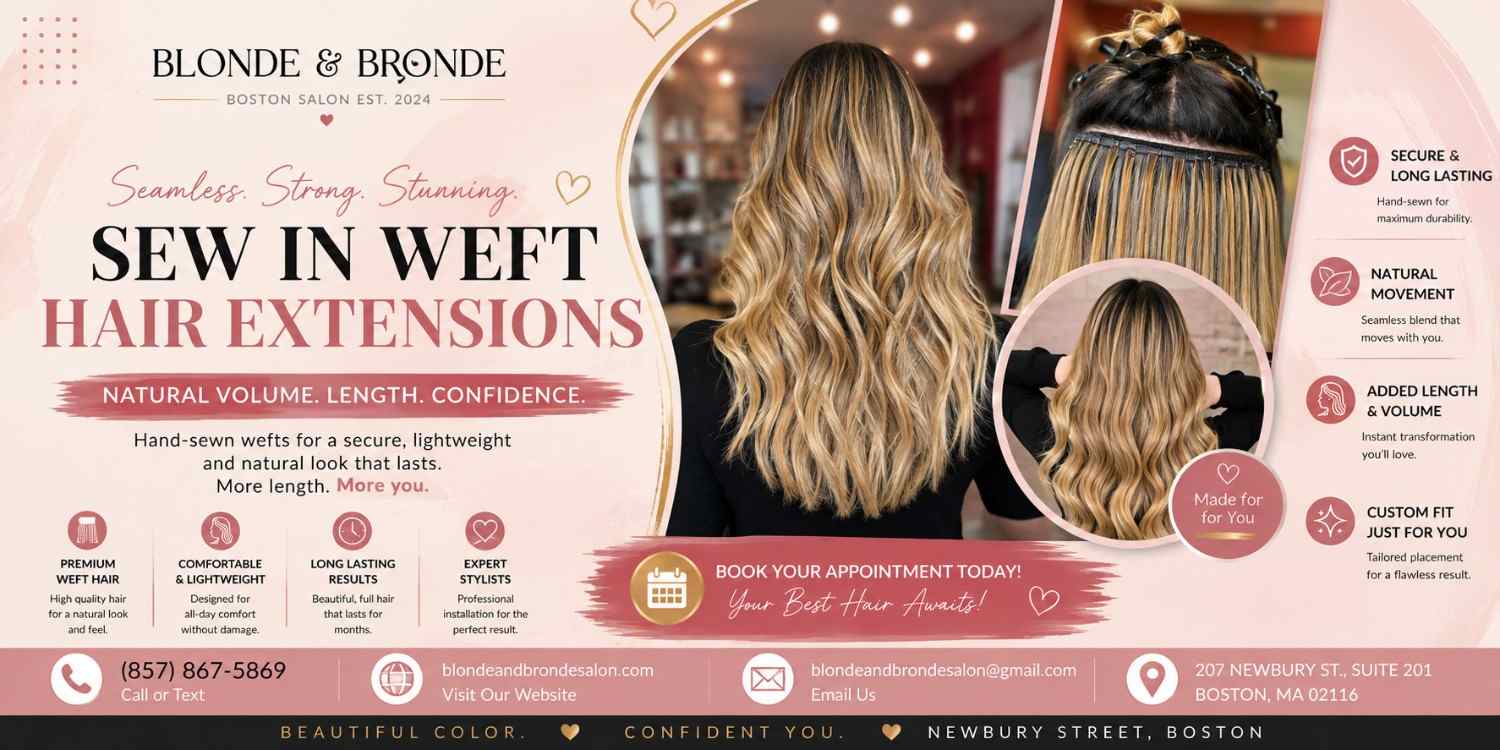
Fuller, longer hair can change the way you feel about your everyday style. However, choosing extensions involves more than adding length. You also need a method that fits your natural hair, lifestyle, styling habits, and maintenance routine. Sew in weft hair extensions are a popular option for people who want added volume and length while keeping their natural-looking finish.
This method uses rows of extensions attached to a carefully prepared foundation, often with small beads and a professional installation technique. When the placement, weight, and care routine suit your hair, the result can blend beautifully with your natural strands. At Blonde and Bronde Salon, understanding your hair goals and daily routine is an important starting point when considering extensions. Knowing how the method works can help you decide whether it is the right choice for you.
What Are Sew In Weft Hair Extensions?
Sew in weft hair extensions use strips, or wefts, of hair that a stylist attaches to a foundation created within your natural hair. One common method uses small beads to form secure rows before the wefts are sewn onto them with extension thread.
Unlike individual strand extensions, wefts add hair in sections. This can help a stylist create a fuller appearance across selected areas rather than attaching every extension strand separately.
The final result depends on several factors, including your natural hair density, desired length, extension quality, and placement. A professional consultation helps determine how much hair you need without adding unnecessary weight.
How Beaded Row Extensions Work
Beaded row extensions are a method of creating a foundation for weft installation. A stylist sections the hair, places small beads along a row, and secures the weft to that foundation using thread.
The beads and rows must be positioned carefully. Poor placement, excessive tension, or extensions that are too heavy can cause discomfort and put stress on natural hair.
This method can work well for suitable hair types, but it is not ideal for everyone. Your stylist should assess your hair density, scalp condition, existing breakage, and ability to support the added weight before recommending it.
How Sew In Weft Extensions Balance Fullness and Maintenance
The main advantage of sew in weft extensions is their ability to add volume and length while allowing a stylist to customize the overall shape. However, easy maintenance does not mean maintenance-free hair.
1. Customized Placement Creates a Natural Finish
Extension placement affects how the hair falls, moves, and blends. A stylist may position rows to add fullness around the back and sides while keeping the hairline and other visible areas looking natural.
The goal is to match the extension hair to your natural texture, color, and density. Correct placement can also help the extensions remain less noticeable when you wear your hair down or style it for different occasions.
2. The Right Amount of Hair Helps Protect Your Natural Strands
More extension hair does not always produce a better result. Adding too much weight can place extra tension on the natural hair supporting the rows.
A thoughtful installation considers your existing hair density, strength, and desired outcome. If your hair is fine or fragile, a lighter installation or another extension method may be more appropriate.
3. A Consistent Routine Makes Daily Care Easier
Sew in weft extensions can fit into a regular hair routine when you use suitable products and handle the rows gently. Brushing, washing, drying, and sleeping habits all affect how the extensions look and feel over time.
Following your stylist's care instructions can help reduce tangling, protect the natural hair, and keep the extensions looking polished between maintenance appointments.
How to Maintain Sew In Weft Hair Extensions
Good maintenance starts with gentle handling. You do not need a complicated routine, but consistency matters.
Brush Carefully Every Day
Use an extension-friendly brush and work through tangles gradually, starting at the ends and moving upward. Support the hair near the rows with your free hand to reduce pulling on the attachment points.
Brush the lengths regularly, including the areas where tangles tend to form. Avoid yanking the brush through knots or forcing it against the beads and thread.
Wash Thoroughly Without Rough Handling
Clean your scalp and natural hair with a shampoo recommended by your stylist. Use gentle movements rather than aggressively scrubbing or bunching the hair together.
Rinse thoroughly so product does not collect around the rows. Apply conditioner mainly to the mid-lengths and ends unless your stylist recommends otherwise. Heavy products near attachment points may contribute to buildup or make the hair harder to manage.
Dry the Hair and Rows Completely
Leaving the scalp or rows damp for long periods can contribute to an uncomfortable, difficult-to-maintain installation. After washing, gently squeeze out excess water with a towel and detangle carefully.
Dry the roots and row areas thoroughly using an appropriate heat setting. Follow your stylist's guidance on heat protection and drying techniques, especially if you use hot tools frequently.
Protect Your Hair While Sleeping
Before bed, make sure the hair is dry and gently detangled. A loose braid or another low-tension style can help reduce friction and tangling overnight.
A silk or satin pillowcase may also reduce friction. Avoid tight hairstyles that pull directly on the rows or create unnecessary tension at the scalp.
Common Mistakes to Avoid
Even quality extensions need proper care. Avoid these common mistakes to help protect your natural hair and maintain a comfortable fit.
Choosing excessive length or weight: Heavy extensions may put too much tension on your natural hair.
Skipping maintenance appointments: Rows can move as natural hair grows, so regular professional checks are important.
Ignoring discomfort: Persistent pulling, pain, itching, or unusual shedding should not be treated as normal.
Sleeping with wet hair: Damp hair can tangle more easily and make the rows harder to care for.
Using excessive heat: Frequent high-temperature styling can damage extension hair and natural strands.
Attempting removal at home: Pulling or cutting thread without proper training can damage your natural hair.
If you notice pain, redness, thinning, or breakage near the rows, contact your stylist promptly. Extensions should never cause ongoing discomfort.
How Often Do Sew In Weft Extensions Need Maintenance?
Maintenance timing depends on your natural hair growth, the installation technique, and how well you care for the extensions. Many wearers schedule professional adjustments approximately every six to eight weeks, although some installations require a different schedule.
Your stylist should explain the expected maintenance interval before installation. Waiting too long can allow rows to move farther from the scalp, increasing tangling and tension.
Removal and reinstallation should also be handled professionally. The goal is to preserve your natural hair while keeping the extensions secure and comfortable.
Are Sew In Weft Extensions Right for You?
Sew in weft extensions may suit people who want noticeable fullness, added length, or more styling flexibility. They can be particularly useful when a stylist can create a secure foundation without putting too much stress on the natural hair.
However, they may not be the best option for someone experiencing active hair loss, significant breakage, or scalp irritation. Very fine hair may need a lighter approach, and people who prefer minimal upkeep should consider the time needed for brushing, washing, drying, and salon visits.
Before choosing, discuss these questions with your stylist
How much additional weight can my natural hair support
Which placement will blend best with my haircut and density?
How often will I need maintenance appointments?
Which products and styling methods should I use?
What signs mean the extensions need adjustment or removal?
A clear plan helps you understand both the benefits and the responsibilities involved.
Frequently Asked Questions
1. How long do sew in weft hair extensions last?
Their lifespan depends on hair quality, wear, home care, and professional maintenance. The extension hair may last through multiple maintenance appointments, but it will gradually wear with washing, heat styling, and daily use.
2. Are sew in weft extensions suitable for fine hair?
They can be suitable for some people with fine hair, but weight and placement are especially important. A stylist should assess your hair's strength and may recommend a lighter method if the rows could cause excess tension.
3. Can I wash my hair with beaded row extensions?
Yes. Wash your hair according to your stylist's instructions, clean the scalp gently, rinse thoroughly, and dry the rows completely. Careful brushing before and after washing helps reduce tangles.
4. Can I style sew in weft extensions with heat?
Many human-hair extensions can be heat-styled, but frequent high heat can cause dryness and damage. Use heat protection, moderate temperatures, and your stylist's recommended techniques.
5. Do sew in weft extensions damage natural hair?
They do not automatically cause damage, but incorrect placement, excessive weight, poor maintenance, and prolonged tension can lead to breakage or traction-related hair loss. Professional installation and timely adjustments are essential.
6. How often should I move up my beaded row extensions?
Many people need maintenance around every six to eight weeks, but timing varies by hair growth and installation. Follow the schedule recommended for your specific hair and extension method.
7. Can I sleep with sew in weft extensions?
Yes. Make sure your hair is dry, detangle it gently, and use a loose braid or low-tension style to reduce friction. Avoid tight hairstyles that pull on the rows.
Conclusion
Sew in weft hair extensions can offer a practical way to achieve fuller, longer hair without giving up styling flexibility. The best results depend on choosing the right amount of hair, using careful placement, and following a consistent maintenance routine. From gentle brushing to thorough drying and timely salon visits, small habits can make a meaningful difference in comfort and appearance.
If you are considering sew in weft hair extensions, Blonde and Bronde Salon can help you explore your options based on your natural hair, desired look, and daily routine.