SGX Nifty Live Guide: Read SGX Nifty Live Today and GIFT Nifty Live Charts
-

- February 23rd, 2026
- 1,502 views

👉 Best IPTV Services 2026 – 10,000+ Channels, 4K Quality – Start Free Trial Now
SGX Nifty Live data is commonly used as a pre-market indicator for Indian equity benchmarks. Traders, analysts, and market observers watch SGX Nifty Live Today quotes and the related GIFT Nifty live chart to understand potential opening directions, volatility expectations, and cross-border flows before the National Stock Exchange (NSE) session begins.
SGX Nifty Live provides futures pricing from the Singapore Exchange that often leads the Indian Nifty 50 open. The GIFT Nifty live chart shows Nifty futures traded at the NSE IFSC (GIFT City). Key concepts: differences in trading hours, indicators such as candlesticks, moving averages, open interest and volume, and how to interpret pre-open signals responsibly.
What SGX Nifty Live Means and Why It Matters
"SGX Nifty Live" denotes the real-time futures contracts referencing India’s Nifty 50 traded on the Singapore Exchange. These contracts run outside Indian market hours and reflect overnight global sentiment, macroeconomic news, and derivative positioning. Because SGX trading occurs during Asian and international sessions, it can offer an early glimpse of price trends that may influence the Nifty 50 at the domestic market open.
How SGX Nifty Live Today Relates to Domestic Markets
SGX Nifty Live Today quotes and the GIFT Nifty live chart are commonly used to assess potential market opening bias. Movements in SGX futures may correlate with opening gaps in the Indian cash market, but correlation is imperfect: differences in contract specifications, liquidity, and participant mix can change the relationship. Regulatory frameworks include the Securities and Exchange Board of India (SEBI) for onshore activity and the International Financial Services Centres Authority (IFSCA) for GIFT City operations, while Singapore Exchange regulation falls under the Monetary Authority of Singapore.
Time zones and trading hours
SGX trading follows Singapore time, which can result in active futures pricing while Indian markets are closed. GIFT Nifty contracts trade under NSE IFSC hours in GIFT City (Indian time zone), offering additional near-continuous price discovery. Differences in hours explain why SGX Nifty Live quotations sometimes move independently of the onshore market.
Contract differences and liquidity
Contract specifications such as tick size, lot size, and settlement mechanisms differ between SGX and onshore Nifty futures. Liquidity concentration on SGX may be lower at times, and the mix of international participants can create price moves that do not fully translate to the domestic cash index.
Reading a GIFT Nifty Live Chart and SGX Nifty Live Charts
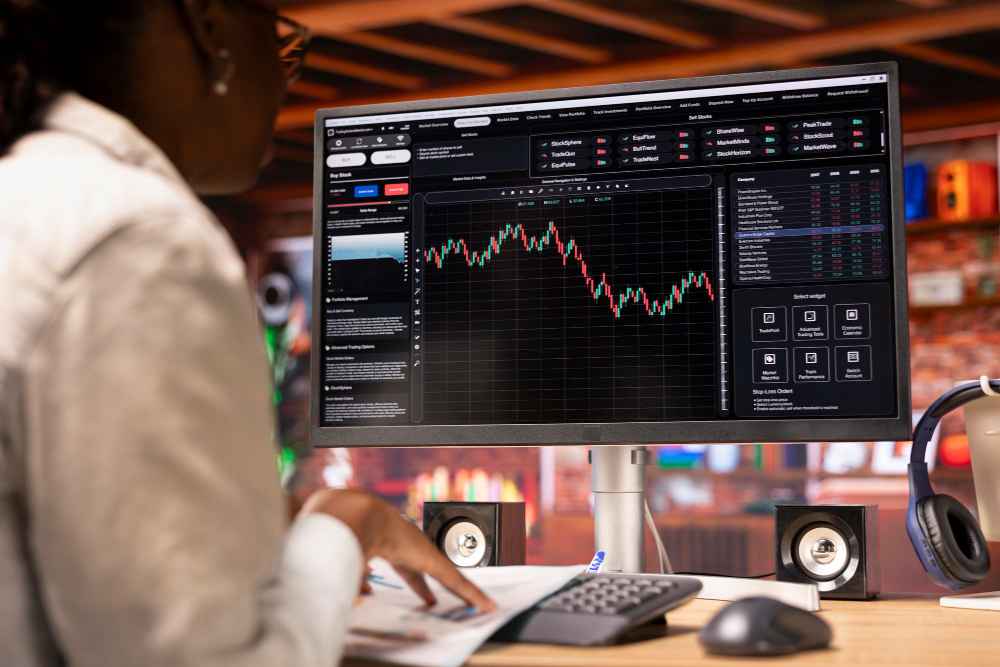
Reading the GIFT Nifty live chart or any SGX Nifty Live chart requires familiarity with common technical and market microstructure indicators. Charts display price action; ancillary data such as volume and open interest help reveal the strength behind moves. Key chart elements include candlestick patterns, moving averages, support and resistance levels, and volume spikes.
Candlesticks and price action
Candlesticks show open, high, low, and close within a chosen interval. Long-bodied candles indicate momentum in one direction; wicks reveal intraperiod rejection of higher or lower prices. In pre-market sessions, a series of aligned candles on SGX Nifty Live can suggest sustained bias ahead of the cash market open.
Volume and open interest
Volume indicates trading activity for the period and helps confirm price moves. Open interest in futures reveals whether positions are being initiated or unwound. Rising price with increasing open interest often signals new positions supporting the trend, whereas rising price with falling open interest can indicate short-covering or lack of durable participation.
Moving averages and volatility measures
Moving averages (simple or exponential) help identify trend direction and potential dynamic support/resistance. Volatility measures, such as ATR (average true range), quantify the typical price movement and help set expectations for range expansion during the open.
Practical Considerations When Using SGX Nifty Live
SGX Nifty Live data is one input among many. Macroeconomic releases, global equity performance, currency moves, and overnight news can all influence both SGX and onshore markets. The GIFT Nifty live chart adds coverage of the NSE IFSC market, where onshore and offshore participants may interact differently than in the domestic cash market.
Data sources and delays
Real-time data providers differ in latency and feed quality. Official exchange data is the most authoritative; aggregated feeds may introduce delays. For official market rules and contract specification details, the Singapore Exchange website provides primary documentation (https://www.sgx.com) with exchange notices and product guides. SGX official site
Regulatory context
Regulators such as SEBI and IFSCA define rules for onshore and IFSC trading respectively, while the Monetary Authority of Singapore oversees SGX operations. Awareness of these frameworks helps interpret product availability, settlement conventions, and participant protections.
Limitations and Responsible Use
SGX Nifty Live and GIFT Nifty live charts are indicators, not guarantees. Price discovery in offshore futures can diverge from domestic cash market dynamics. Relying solely on a single feed without considering broader liquidity, news, and regulatory announcements can lead to misinterpretation of market intent.
Cross-checking and verification
Cross-referencing multiple market data sources, exchange notices, and reliable news outlets improves situational awareness. Official exchange publications and regulator releases provide authoritative updates on contract changes and trading halts.
Recordkeeping and transparency
Maintaining records of observed pre-open signals and subsequent market outcomes can support objective evaluation of how well SGX Nifty Live Today signals correlated with actual opening moves over time.
Further reading and sources
Primary exchange documentation and regulator publications provide authoritative details on contract specifications and market rules. Organizations involved in oversight include the Securities and Exchange Board of India (SEBI), the International Financial Services Centres Authority (IFSCA), and the Monetary Authority of Singapore for SGX-related matters.
FAQ
What is SGX Nifty Live and how does it affect opening prices?
SGX Nifty Live refers to Nifty-indexed futures traded on the Singapore Exchange. These futures can provide an early signal of international sentiment that may influence opening prices on the Indian cash market, but the relationship is influenced by liquidity, contract differences, and overnight events.
How is the GIFT Nifty live chart different from SGX Nifty Live?
The GIFT Nifty live chart covers Nifty futures traded at the NSE IFSC (GIFT City) under Indian time zones and IFSC regulations, while SGX Nifty Live represents the offshore futures market on SGX. Contract specs and participant mixes differ between the two.
Can SGX Nifty Live Today predict the Nifty 50 open reliably?
SGX signals can offer useful context but are not fully predictive. Correlation varies; other factors such as macro news, domestic order flow, and liquidity at open also shape the final opening price.
Which indicators on a live chart are most useful?
Commonly used indicators include candlestick patterns, volume, open interest, moving averages, and volatility metrics like ATR. Combining multiple indicators typically gives a more nuanced view than any single metric.