Shift Up Your Grip: A Rider’s Guide to Leather Motorcycle Gloves
-

- Published Updated
- 1,453 views
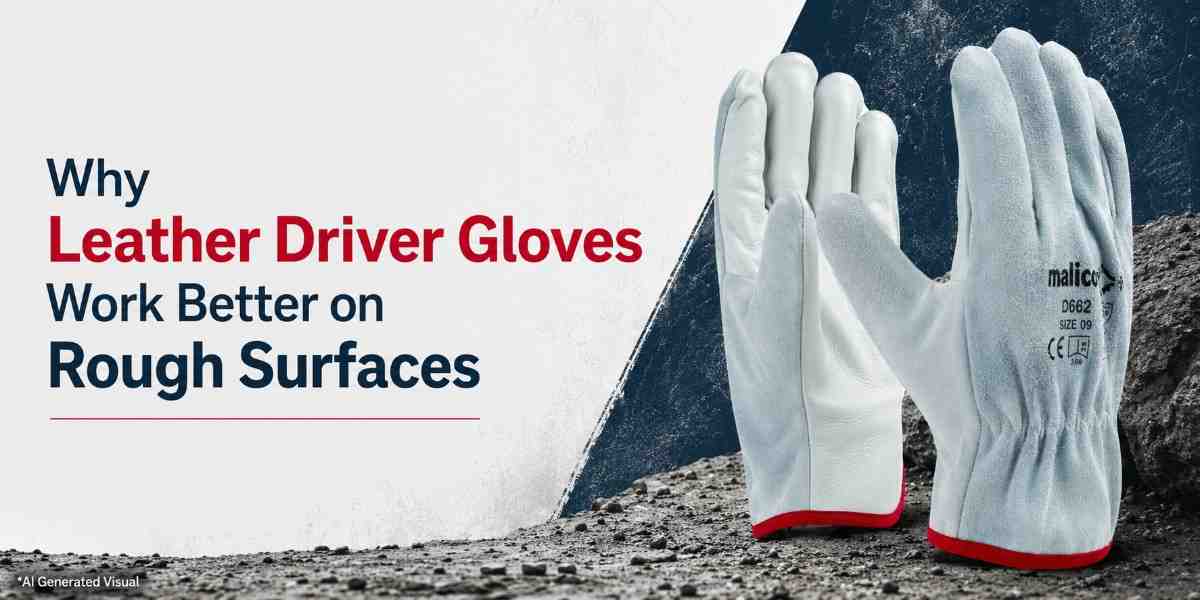
Leather motorcycle gloves are a core piece of riding gear that improve grip, protect hands from abrasion and impact, and help manage weather conditions. This guide explains how leather gloves work, what to look for when buying them, and how standards and maintenance affect long-term performance.
- Leather offers high abrasion resistance and durability compared with many textile alternatives.
- Look for impact protection, reinforced palms, CE/EN 13594 ratings, and a secure fit.
- Different leathers (cowhide, goatskin) and constructions suit different riding styles and climates.
Why leather motorcycle gloves matter
Leather motorcycle gloves combine material properties and design features that directly affect rider safety and control. The primary benefits are abrasion resistance, improved grip on controls (shift lever, throttle, brake), and often better durability than many synthetic fabrics. Regulatory bodies and safety organizations, such as the National Highway Traffic Safety Administration (NHTSA), emphasize wearing appropriate protective equipment to reduce injury risk; gloves are a basic part of that protective ensemble.
Protection: abrasion resistance and impact mitigation
Abrasion resistance and leather types
Full-grain cowhide and goatskin are common choices. Cowhide is thick and durable, resisting tearing and abrasion in a slide. Goatskin is typically softer and offers a high strength-to-weight ratio, which may improve dexterity. Some gloves use kangaroo leather for an even stronger, lighter option.
Armor and reinforcements
Many gloves add hard knuckle protectors, palm sliders, foam padding, or composite inserts to reduce impact forces and protect bones and soft tissue. CE certification (EN 13594 in Europe) evaluates protective performance for impact and abrasion. Riders seeking enhanced protection should check for certified armor and reinforced stitching in high-stress areas.
Grip, control, and ergonomics
Palm construction and tactile feedback
Reinforced palms, pre-curved fingers, and strategically placed seams improve control when shifting gears, braking, and using hand controls. Textured leather or added grip panels help maintain contact in wet or sweaty conditions while preserving the ability to feel levers and buttons.
Fit and sizing
A close but comfortable fit prevents excess material from bunching and reduces the chance the glove will come off during a fall. Measure hand circumference at the knuckles and compare with manufacturers’ sizing charts. Consider gloves with adjustable wrist closures or gauntlet styles that seal over or under jacket cuffs for added security.
Materials, construction, and weather performance
Breathability and liners
Leather is less breathable than some mesh textiles but typically outperforms fully waterproof membranes for comfort in cool, dry conditions. Breathable liners or perforated leather panels improve airflow for warm-weather riding.
Waterproofing and thermal options
Waterproof membranes (e.g., proprietary membranes or inserts) are often used with leather to offer rain protection. For cold weather, insulated linings and longer gauntlet designs help retain heat. Removable liners increase versatility by allowing the same glove to be used in multiple conditions.
Standards, certification, and safety information
Relevant standards
European standard EN 13594 specifies test methods and performance classes for protective motorcycle gloves. CE marking indicates compliance with applicable European safety requirements. Where available, review lab test results or certification labels to compare protective levels. For broader motorcycle safety guidance, refer to official resources such as the NHTSA motorcycle safety pages (NHTSA: Motorcycles).
Care, maintenance, and longevity
Cleaning and leather care
Regular cleaning with a soft brush or damp cloth removes dirt and road grime. Use leather-specific cleaner and conditioner sparingly to maintain flexibility without saturating the hide. Avoid machine washing or harsh chemicals that can weaken seams and leather fibers.
Repair and replacement
Inspect gloves for worn stitching, thin palm areas, or compromised armor. Replace gloves when abrasion resistance is visibly reduced or after a significant impact or slide. Small repairs (stitching, patching) can extend service life but do not restore original protective properties.
Choosing the right pair
Match style to riding type
- Sport riders may prefer short cuffs, pre-curved fingers, and hard knuckle protection for maximum control and impact resistance.
- Touring and commuting riders often choose longer gauntlets, weather-resistant membranes, and comfortable liners for long-distance comfort.
- Classic or cruiser riders might select thicker, full-leather gloves prioritizing durability and abrasion protection.
Try before purchasing and check features
When possible, test gloves with a motorcycle or mock controls to verify reach and lever feel. Look for sewn-in sliders, double-stitched seams in wear zones, touchscreen-compatible fingertips if needed, and clear labeling regarding materials and certifications.
Conclusion
Leather motorcycle gloves remain a widely used choice because they balance abrasion resistance, tactile feedback, and durability. Selecting gloves that fit well, meet recognized safety standards, and suit the intended riding conditions supports better control and protection on the road.
Frequently Asked Questions
Are leather motorcycle gloves necessary for safety?
Leather motorcycle gloves are not legally required in most jurisdictions, but they provide important abrasion resistance and can reduce injury severity in a fall. Certified gloves that meet standards such as EN 13594 offer measurable protective benefits.
How should leather motorcycle gloves fit?
Gloves should fit snugly without restricting blood flow or movement. Fingers should reach the end of the glove without excessive tension, and the palm should sit comfortably against the hand to preserve grip and dexterity.
Can leather gloves be waterproofed without losing breathability?
Applying leather treatments can improve water resistance but may reduce breathability. For consistent waterproof performance, gloves with integrated waterproof membranes are a better option. Balance waterproofing needs with ventilation requirements for the typical riding climate.
When should gloves be replaced?
Replace gloves when seams fail, leather becomes excessively thin, or after a crash or significant slide. Regular inspection will help identify when protective performance is compromised.
Do leather motorcycle gloves work with touchscreens?
Some leather gloves include conductive materials on the fingertips to work with touchscreens. Confirm this feature before purchase if smartphone or navigation use while stationary is important.