10 Shoe Rack Ideas to Keep Entryways and Closets Tidy
-
- Published Updated
- 1,931 views
Stylish and Practical Shoe Rack Ideas for an Organized Home
A well-chosen shoe rack can transform an entryway, closet, or mudroom by reducing clutter and protecting floors. The phrase shoe rack appears here because choosing the right design affects storage capacity, airflow, accessibility, and safety. This article outlines durable, space-efficient, and stylish options for a range of homes and routines.
Shoe Rack Styles for Every Space
Different home layouts and routines call for specific shoe rack designs. Consider traffic flow, available floor space, and how often shoes are changed when selecting a style.
Low, Open Racks for Entryways
Low-profile open racks are convenient for high-traffic entryways. Designs with slanted shelves or angled tiers keep shoes visible and accessible. Choose metal or treated wood for resilience against damp conditions near doors.
Vertical and Wall-Mounted Racks for Small Areas
Vertical shoe racks and wall-mounted shelves maximize floor space in narrow hallways or small apartments. Floating shelves or slim tower units allow shoes to be stored without crowding a passageway. Look for mounting hardware rated for the wall type and weight of stored items.
Enclosed Cabinets for a Tidy Look
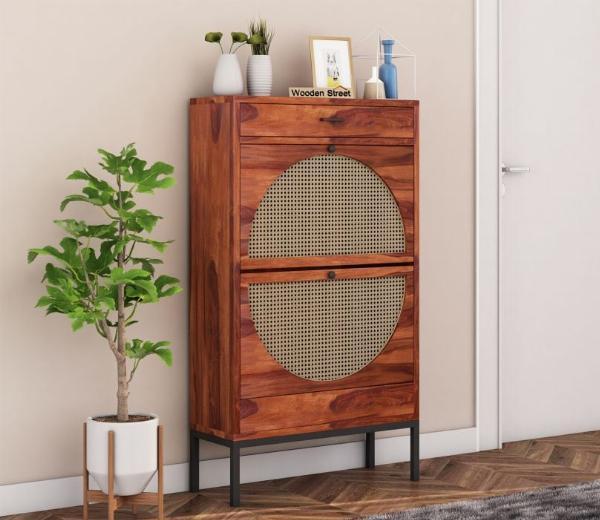
Shoe cabinets with doors conceal footwear, creating a neater appearance in formal entryways or living spaces. Many cabinets include adjustable shelves or pull-out trays that accommodate different shoe heights. Ensure adequate ventilation in enclosed designs to prevent odor buildup.
Stackable Cubbies and Modular Systems
Modular cubbies are adaptable to changing needs: add or rearrange units to fit a closet, laundry room, or mudroom. Stackable boxes with open fronts allow airflow while keeping pairs separated. Durable connectors and stable bases are important when stacking vertically.
Materials, Ventilation, and Maintenance
Material choice influences durability and maintenance. Cedar, metal, plastic, and engineered wood each offer advantages depending on humidity, expected wear, and aesthetic preferences.
Wood and Engineered Wood
Wood brings a warm look but may warp in humid spaces unless sealed. Cedar naturally repels insects and can help reduce odors. Engineered wood offers cost-effective stability with a range of finishes.
Metal and Wire Racks
Metal racks are robust and often allow the most ventilation, which reduces moisture buildup beneath shoes. Powder-coated finishes resist rust; choose stainless or coated steel where exposure to water is likely.
Ventilation and Odor Control
Good airflow prevents mildew and odor. Look for open-backed designs, slatted shelves, or raised feet. For enclosed units, perforated panels or small vents help air circulate. Removable, washable mats or trays catch dirt and simplify cleaning.
Installation, Safety, and Accessibility
Proper installation preserves safety and function. Tall or heavy shoe rack units can present a tip-over hazard, especially in homes with children or pets. Anchoring tall furniture to a wall and using the correct fasteners for the wall type reduces risk. For official guidance on furniture tip-over prevention, consult the U.S. Consumer Product Safety Commission: CPSC tip-over prevention.
Anchoring and Weight Distribution
Distribute weight evenly and place heavier shoes or items on lower shelves to improve stability. Follow manufacturer's instructions for anchoring and avoid overloading shelves beyond rated capacity.
Accessibility Features
For users with limited mobility, lower shelves, pull-out trays, and clear sightlines improve usability. Consider a bench with integrated shoe storage in entryways to simplify changing footwear.
Design Tips and Space-Saving Tricks
Small design choices can boost storage without sacrificing aesthetics.
Use Vertical Space
Stacking, tall shelving, or hanging organizers make use of vertical clearance in closets and mudrooms. Ceiling-mounted racks for seasonal footwear keep infrequently used items out of the way.
Dual-Purpose Furniture
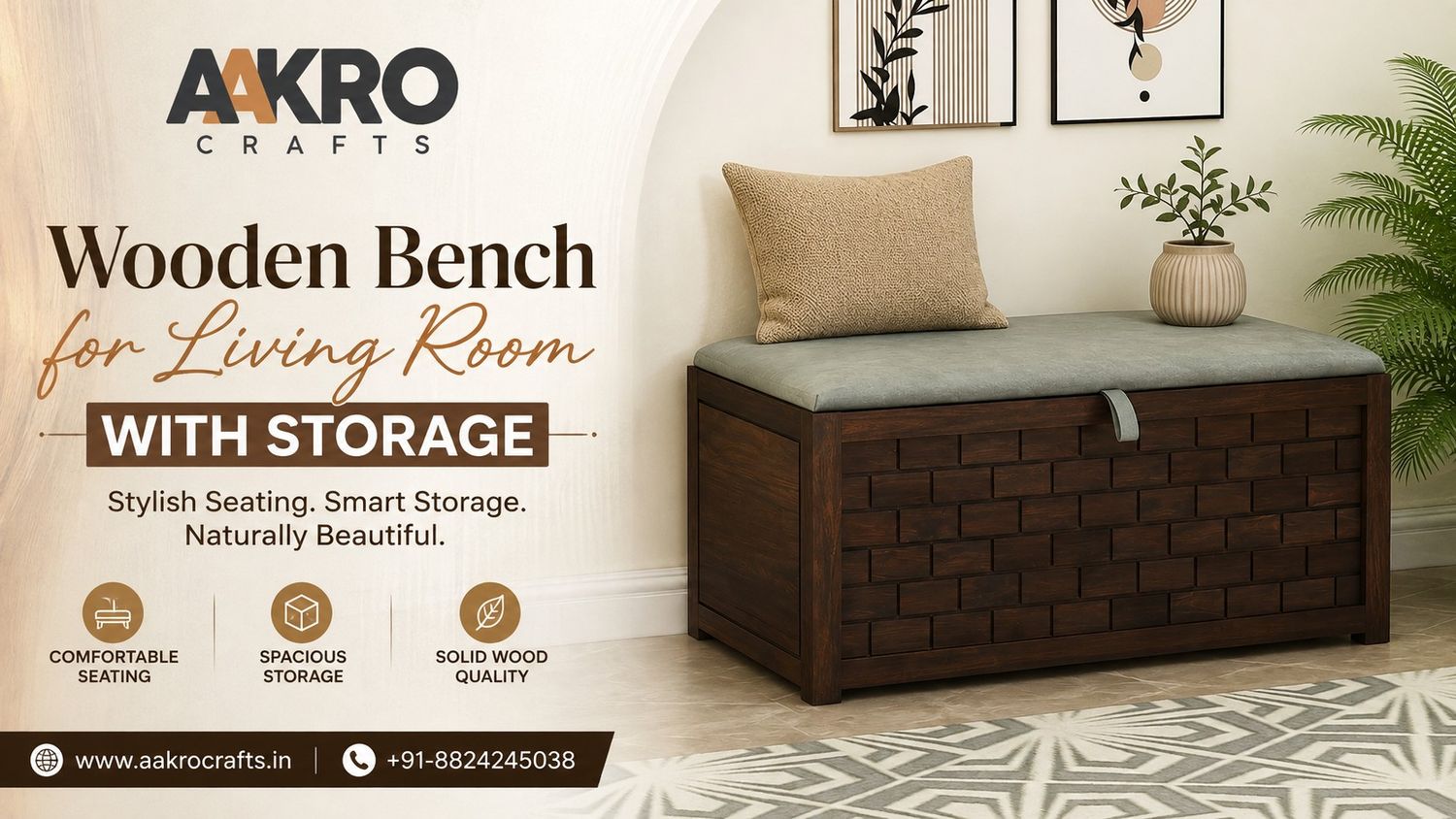
Benches with built-in shoe shelves, console tables with lower racks, and ottomans with interior shoe compartments combine seating and storage for compact entryways.
Labeling and Pairing Systems
Open cubbies or clear-front boxes benefit from simple labeling to keep pairs organized. Group shoes by season, activity, or family member to speed daily routines.
Cleaning and Long-Term Care
Regular cleaning preserves both the shoe rack and stored footwear. Sweep or vacuum beneath racks to remove dirt and grit that can scratch floors. For racks with removable trays, wash trays periodically and allow full drying before replacing.
Dealing with Moisture and Salt
In cold climates where salt and slush are common, place an absorbent mat at the entry and choose corrosion-resistant materials for racks. Remove and dry wet shoes promptly to reduce odor and material degradation.
Conclusion
Select a shoe rack by balancing capacity, ventilation, accessibility, and safety. Small investments in anchoring, material choice, and layout yield a more organized entryway and longer life for footwear.
Frequently Asked Questions
How to choose the right shoe rack for a small entryway?
Measure available floor and wall space, prioritize vertical or wall-mounted units to free floor area, and select slim, open designs for visibility. Consider a combined bench-and-shelf option for seating plus storage.
What materials last longest for a shoe rack in a humid or wet area?
Stainless steel, powder-coated metal, and certain plastics resist moisture best. If wood is preferred, select sealed or treated varieties and keep the rack away from direct contact with water.
Are enclosed shoe cabinets better than open racks?
Enclosed cabinets create a neater appearance and reduce visible clutter, but they require good ventilation to avoid odor buildup. Open racks typically provide better airflow and quicker drying for wet shoes.
How should tall shoe racks be secured to prevent tipping?
Anchor tall furniture to studs or use appropriate wall anchors following manufacturer guidance. Place heavier items on lower shelves and avoid stacking unstable components to reduce tip-over risk.
Can a shoe rack help with shoe odor and maintenance?
Yes. Good ventilation, removable washable trays, and materials that dry quickly reduce odor and wear. Periodic cleaning and allowing shoes to air out between uses help maintain footwear condition.