9 Side Stone Engagement Rings in Lab-Grown Diamonds to Try
-

- Published Updated
- 60 views
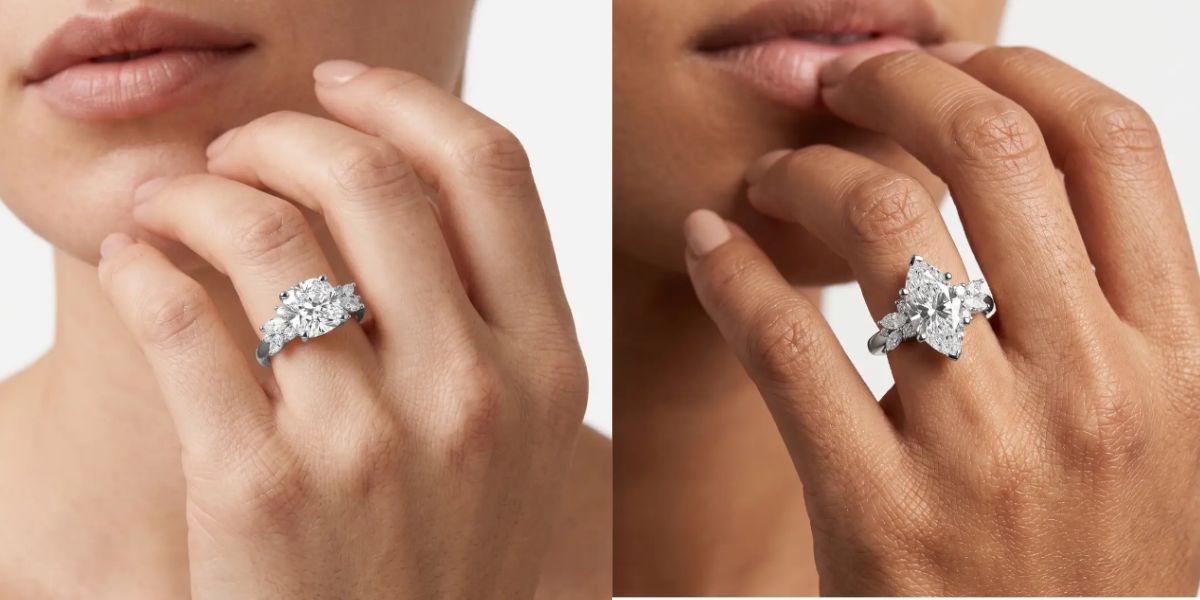
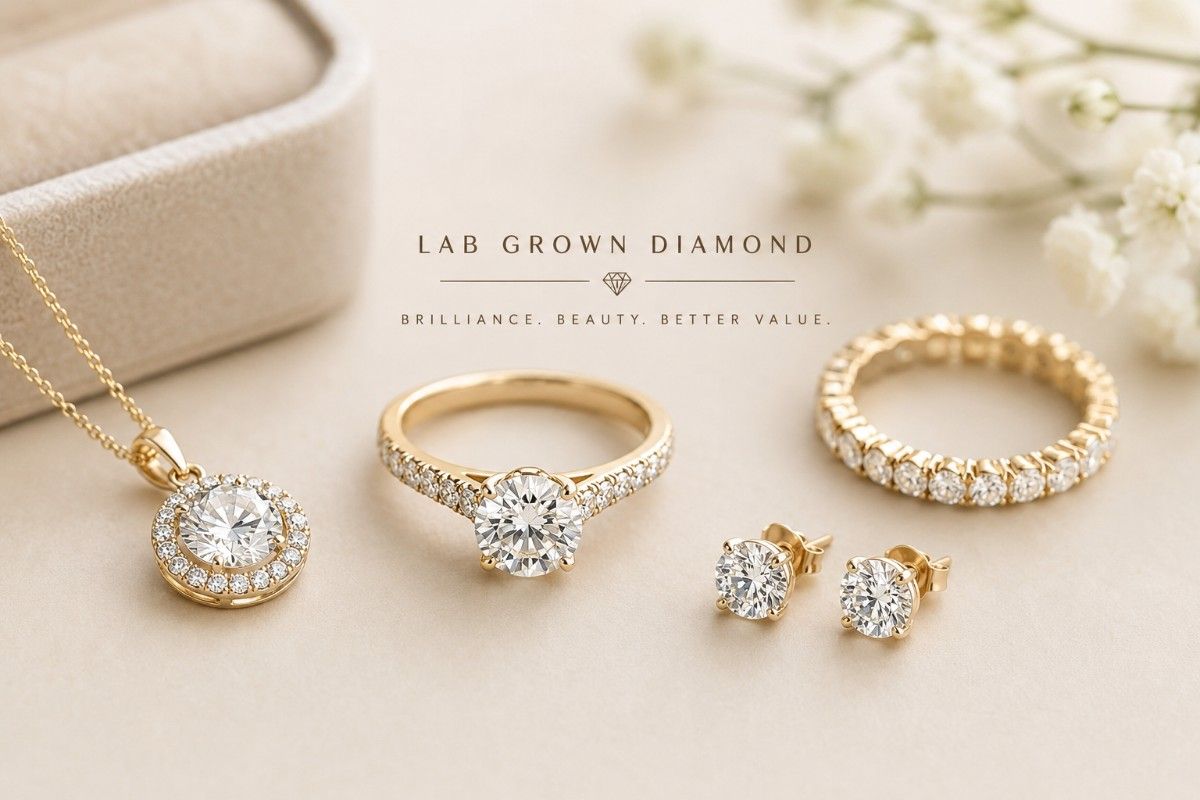
A center diamond gets all the attention, but the stones beside it often decide whether a ring feels ordinary or unforgettable. Side stone engagement rings add extra sparkle, frame the main diamond, and make it look larger. Lab-grown diamonds make these designs even easier to love, since they offer the same look and durability as natural diamonds, often at a friendlier price. Here are nine styles worth considering, with ideas from Pure Jewels along the way.
What Is a Side Stone Engagement Ring?
A side stone ring has a main diamond with smaller diamonds set on either side of it, on the band or shoulders. The side stones can be round, baguette, tapered, or another shape. Unlike a halo, which surrounds the center stone completely, a side stone setting keeps the look open and balanced from the front.
9 Side Stone Engagement Ring Styles to Try
1. Classic Round Center with Round Side Stones
This is the most traditional choice. A round brilliant center is flanked by small round diamonds that carry sparkle down the band. It suits almost every hand and style.
2. Oval Center with Tapered Baguette Sides
Tapered baguettes narrow toward the band, which makes an oval center look longer and more slender. It is a good pick if you want a modern, elongated shape.
3. Emerald Cut with Baguette Side Stones
Emerald cuts have long, clean facets and a hall-of-mirrors effect. Baguette side stones echo those straight lines for a sleek, art-deco feel.
4. Cushion Cut with Round Accents
A cushion center has soft corners and a romantic glow. Pairing it with small round side stones gives a vintage-inspired ring that still looks fresh.
5. Princess Cut with Channel-Set Sides
Channel-set stones sit securely between two metal walls, so there are no prongs to catch on clothing. This makes the style a practical option for everyday wear.
6. Pear Shape with Pavé Side Stones
A pear center with fine pavé diamonds along the shoulders feels delicate and distinctive. It works well for people who want something a little different from a standard round.
7. Marquise Center with Side Stones
Marquise diamonds are known for making fingers look longer. With side stones added, the ring has a bold, elegant outline that stands out without being heavy.
8. Asscher Cut with Straight Baguettes
Asscher cuts have a square, stepped shape with a vintage look. Straight baguette side stones keep the geometry crisp and give the ring a refined, architectural feel.
9. Three-Row Pavé Band with a Center Stone
For extra sparkle, some designs add several rows of small diamonds along the band. The result is a ring that glimmers from every angle, though it needs a little more cleaning to keep it bright.
How to Choose the Right Side Stone Ring
A few practical points can narrow down your choices:
- Match the shape to your style: Rounds and cushions feel classic, while ovals, pears, and emerald cuts feel more contemporary.
- Think about lifestyle: Channel and bezel-style side settings are better for active routines, and pavé suits occasional wear.
- Balance the proportions: Side stones should complement the center diamond, not compete with it.
- Pick the metal carefully: White gold gives a cool, bright look, yellow gold feels warm and classic, and rose gold adds a soft blush tone.
- Set a budget early: Because lab-grown diamonds usually cost less than natural ones, you can often choose a larger center or better quality for the same spend.
Why Lab-Grown Diamonds Suit Side Stone Rings
A side stone ring uses several diamonds, so cost adds up quickly. Lab-grown diamonds help keep that total manageable while still offering real diamond sparkle and hardness. If you want to compare designs, you can browse the side stone engagement rings at Pure Jewels, which come in 14K and 18K gold options.
Caring for Your Side Stone Ring
More diamonds mean more places for dust and oils to collect. Clean the ring gently with warm water, mild soap, and a soft brush every few weeks. Remove it before heavy workouts or cleaning. Have a jeweller check the settings once or twice a year so every stone stays secure.
Final Thoughts
A side stone engagement ring offers the best of both worlds: a standout center diamond and extra sparkle that wraps around the finger. Whether you prefer a classic round, a sleek emerald cut, or a graceful pear, there is a design to match your taste. Take your time, compare styles, and choose the one that feels like you. Pure Jewels is a good place to start your search.
Frequently Asked Questions
What is a side stone engagement ring?
It is a ring with a main center diamond and smaller diamonds set on either side, usually along the band or shoulders.
Are side stone rings good for everyday wear?
Yes. Channel-set and well-protected prong settings are especially practical because they sit securely and snag less.
What is the difference between a side stone ring and a halo ring?
A halo surrounds the center stone completely with small diamonds, while a side stone ring places accent stones only on the sides.
Are lab-grown diamonds suitable for side stone rings?
Yes. Lab-grown diamonds have the same hardness and sparkle as natural ones, which makes them a durable and good-value choice.
How do I keep a side stone ring sparkling?
Clean it regularly with warm soapy water and a soft brush, and have a jeweller check the setting once or twice a year.