10 Clear Signs a Dryer Vent Cover Needs Replacement in Aliso Viejo
-
- March 05th, 2026
- 224 views

Get a free topical map and start building content authority today.
Introduction
Detecting dryer vent cover problems early prevents energy waste, water damage, and fire risk. This guide lists reliable dryer vent cover replacement signs to watch for in Aliso Viejo and provides a clear inspection checklist, practical tips, and a safety-focused approach. Detected dominant intent: Informational.
This article explains the most common dryer vent cover replacement signs, how to inspect exterior vent hoods, what replacement options reduce hazards from lint, pests, and weather, plus a named R.E.P.L.A.C.E. checklist for fast inspections. Includes a short homeowner scenario and practical maintenance tips.
Primary keyword: dryer vent cover replacement signs
Detected dominant intent: Informational
Recognizing dryer vent cover replacement signs
Common dryer vent cover replacement signs include visible physical damage, poor airflow at the dryer, frequent lint accumulation on the outside of the cover, and wildlife or insect entry. A faulty cover reduces drying efficiency, increases energy use, and raises the risk of lint-fueled fires or moisture-related rot—particularly relevant in coastal Southern California climates like Aliso Viejo.
Top 10 signs your dryer vent cover needs replacement
- Broken or missing flaps: Louvers or flaps that don’t close let birds, rodents, and wind-driven rain enter the duct.
- Rust and corrosion: Rusted metal indicates long-term exposure and compromised sealing.
- Cracks or gaps in plastic covers: UV exposure and temperature cycles make plastic brittle; cracks reduce backdraft protection.
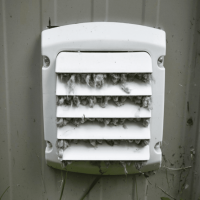
- Visible lint buildup outside: Heavy lint on the cover or surrounding siding means airflow restriction downstream.
- Reduced dryer airflow: Longer dry cycles or a hot dryer drum signal restricted exhaust—often tied to vent hood failure.
- Pest signs: Nests, droppings, or insect clusters near the vent indicate entry points.
- Water infiltration or staining: Water stains on the exterior wall or inside the attic suggest the cover fails to shed rain properly.
- Unusual smells or odors: Persistent musty or burning smells near the outlet suggest lint or moisture accumulation.
- Loose mounting or missing screws: A loose hood can sag or detach in wind events common during coastal storms.
- Damaged backdraft damper: A damper that jams open or closed eliminates one-way airflow protection and can let outdoor air push back in.
Related indicators and secondary concerns
Watch for blocked dryer vent symptoms such as longer drying times and overheating. Regular dryer vent cover maintenance reduces these symptoms and keeps clothes drying efficiently. For gas dryers, a properly functioning vent reduces carbon monoxide buildup risk—check local building codes or professional guidance when in doubt.
R.E.P.L.A.C.E. Vent Check Checklist (named framework)
Use the R.E.P.L.A.C.E. framework for quick inspections:
- Right fit — Confirm the cover matches the duct size and seals tightly.
- Exterior damage — Look for cracks, rust, broken flaps, or missing screws.
- Pest entry — Check for nesting material, droppings, or insect trails.
- Lint buildup — Inspect for lint clinging to the outside or around the hood.
- Airflow test — Run the dryer and check for strong exhaust at the outside vent.
- Cover function — Ensure flaps or dampers open freely and close securely when off.
- Extreme weather wear — Note UV damage, corrosion, and wind damage after storms.
Short real-world example
A homeowner in Aliso Viejo noticed longer drying cycles after winter storms and found a cracked plastic vent hood with bird nesting inside. Replacing the hood with a metal, spring-loaded vent cover and cleaning the duct reduced drying time by 25% and eliminated the musty smell. This scenario illustrates a common progression: exterior damage → pest entry → reduced performance.
Practical tips (3–5 actionable points)
- Inspect the exterior vent hood every 3–6 months using the R.E.P.L.A.C.E. checklist; check after storms or windy periods.
- Do a simple airflow test: hold a lightweight ribbon or tissue near the vent while the dryer runs. Strong steady movement indicates good exhaust.
- Clean lint from the exterior hood and perform a duct cleaning annually or sooner if airflow is weak; 4–8 feet of lint-filled duct can dramatically increase dryer cycle time.
- Choose metal covers with spring-loaded or gravity flaps for durability; avoid thin plastic hoods in sun-exposed locations.
Trade-offs and common mistakes when replacing vent covers
Common mistakes:
- Replacing a cover with the wrong size or material: cheap plastic fits may be less expensive but fail sooner in UV and coastal salt air.
- Installing a cover without a proper backdraft damper: this can let pests and cold air enter the home.
- Neglecting duct condition: replacing only the cover while the duct remains clogged offers limited performance gains.
Trade-offs:
- DIY replacement vs licensed professional: DIY saves labor cost for simple exterior replacements, but professionals ensure compliance with local codes and safe routing for gas dryer exhaust.
- Metal vs plastic covers: metal is more durable and fire-resistant; plastic is cheaper but less UV-resistant.
Pertinent standards and safety guidance
For national guidance on dryer safety and venting practices, reference standards from trusted organizations such as the National Fire Protection Association (NFPA). See NFPA resources on dryer safety for general best practices and risks related to lint-fueled fires: NFPA – Dryer safety.
Core cluster questions
- How often should dryer vent covers be inspected?
- What causes lint buildup at the exterior dryer vent?
- When is professional dryer vent cleaning recommended?
- How does a backdraft damper protect a home?
- What materials perform best for coastal dryer vent covers?
When to call a professional
Contact a licensed HVAC or exterior contractor if the dryer is a gas model, if duct runs are long or have multiple turns, if the duct passes through walls or attics that are difficult to access, or if airflow tests indicate severe restriction. Professionals can confirm compliance with the California Building Code and local Aliso Viejo ordinances and can test for gas appliance venting issues if needed.
Final checklist before replacement
- Confirm the exact duct diameter and material.
- Document existing damage and take photos for records.
- Choose a cover with a built-in damper and weatherproof flashing suitable for coastal exposure.
- Plan for a duct cleaning if lint accumulation is significant.
Conclusion
Regular inspection using the R.E.P.L.A.C.E. checklist helps catch dryer vent cover problems before they escalate into safety or performance issues. Replace damaged or malfunctioning covers promptly with durable materials and ensure the entire exhaust path is clear for safe, efficient dryer operation in Aliso Viejo.
FAQ: What are the most common dryer vent cover replacement signs?
The most common dryer vent cover replacement signs are broken flaps, visible lint buildup, reduced dryer airflow, rust or cracks, pest activity near the vent, and water infiltration. These symptoms warrant replacement and a duct inspection.
How often should dryer vent covers be inspected?
Inspect dryer vent covers every 3–6 months and after any strong storms. Also inspect whenever dryer performance changes or unusual smells appear.
Can a clogged duct cause the same symptoms as a bad cover?
Yes. Blocked dryer vent symptoms like longer drying times and overheating can result from lint-clogged ducts as well as a damaged cover. Inspect both the exterior hood and the duct path.
Is a metal vent cover always better than plastic?
Metal covers are generally more durable, fire-resistant, and better suited for sun-exposed or coastal locations. Plastic covers are cheaper but more prone to UV damage and cracking.
When should a professional be called for vent replacement or cleaning?
Call a professional for gas dryer venting issues, long or complex duct runs, persistent airflow problems after cover replacement, or when local code compliance is required.