Silica Gel Sachets for Pharmaceutical Packaging: Benefits and Best Practices
-

- Published Updated
- 7,991 views
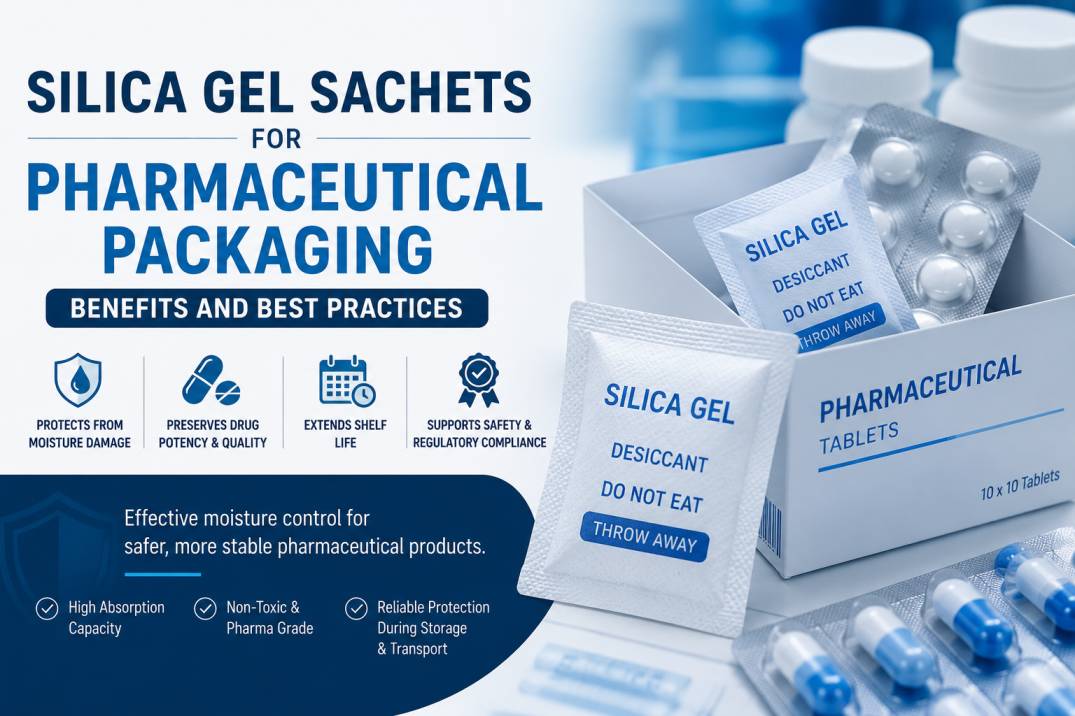
The pharmaceutical industry operates under strict quality and safety standards, where even minor environmental changes can impact product efficacy, stability, and shelf life. Among the many factors that can compromise pharmaceutical products, moisture is one of the most significant threats. Excess humidity can lead to chemical degradation, reduced potency, microbial growth, and packaging damage, resulting in substantial financial losses and regulatory concerns.
To combat moisture-related risks, pharmaceutical manufacturers rely on silica gel sachets as an effective and economical moisture control solution. These desiccant sachets help maintain optimal humidity levels inside packaging, protecting sensitive medications and healthcare products throughout storage, transportation, and distribution.
This article explores the importance of silica gel sachets in pharmaceutical packaging, their benefits, and best practices for ensuring maximum product protection.
Understanding Silica Gel Sachets
Silica gel sachets are small packets containing highly porous silicon dioxide beads that absorb and retain moisture from the surrounding environment. Despite their name, silica gel is a solid desiccant material with an exceptional ability to attract water vapor without changing its physical appearance.
When placed inside pharmaceutical packaging, silica gel sachets help maintain a controlled environment by reducing relative humidity levels. This protects products from moisture-related deterioration and extends their shelf life.
Pharmaceutical-grade silica gel sachets are manufactured under stringent quality standards and are designed specifically for use in regulated environments where product safety is paramount.
Why Moisture Control Is Critical in Pharmaceutical Packaging
Pharmaceutical products are often highly sensitive to environmental conditions. Exposure to excess moisture can negatively affect product quality in several ways.
Reduced Drug Potency
Many active pharmaceutical ingredients (APIs) are hygroscopic, meaning they absorb moisture from the air. This can trigger chemical reactions that reduce drug effectiveness over time.
Tablet and Capsule Damage
Moisture can cause tablets to soften, crack, crumble, or lose their structural integrity. Capsules may become sticky, swell, or deform when exposed to humid conditions.
Microbial Growth
Excess humidity creates favorable conditions for bacteria, mold, and fungal growth, potentially compromising product safety and regulatory compliance.
Packaging Degradation
Moisture can weaken packaging materials, labels, and seals, affecting both product protection and brand reputation.
Shortened Shelf Life
Without effective moisture control, pharmaceutical products may deteriorate before their intended expiration date, resulting in increased waste and financial losses.
Benefits of Silica Gel Sachets for Pharmaceutical Packaging
Superior Moisture Absorption
Silica gel can absorb a significant amount of moisture relative to its weight, making it one of the most effective desiccants available for pharmaceutical applications.
Its high adsorption capacity ensures long-lasting protection even under varying environmental conditions.
Extended Product Shelf Life
By maintaining low humidity levels within packaging, silica gel sachets help preserve product stability and effectiveness throughout the product lifecycle.
Longer shelf life reduces product waste and improves inventory management.
Regulatory Compliance Support
The pharmaceutical industry is subject to strict quality regulations and storage requirements.
Using pharmaceutical-grade silica gel sachets helps manufacturers maintain product integrity and comply with Good Manufacturing Practices (GMP) and other industry standards.
Protection During Transportation
Pharmaceutical products are often transported through diverse climatic conditions where humidity levels can fluctuate dramatically.
Silica gel sachets provide continuous moisture protection during shipping, warehousing, and global distribution.
Cost-Effective Solution
Compared to potential losses caused by moisture damage, silica gel sachets represent a highly economical packaging investment.
Their low cost and high effectiveness make them an essential component of pharmaceutical packaging systems.
Safe and Non-Toxic
Pharmaceutical-grade silica gel is chemically stable, non-toxic, and non-reactive, making it suitable for use alongside a wide range of pharmaceutical products.
Easy Integration into Packaging
Silica gel sachets can be easily incorporated into various packaging formats, including:
- Bottles
- Blister packs
- Strip packaging
- Bulk pharmaceutical containers
- Medical device packaging
- Nutraceutical packaging
Common Pharmaceutical Applications
Silica gel sachets are widely used across multiple pharmaceutical product categories.
Tablets and Capsules
Moisture-sensitive tablets and capsules require humidity control to maintain potency and physical integrity.
Powder Formulations
Powder-based medications can clump or degrade when exposed to moisture, making desiccant protection essential.
Diagnostic Kits
Medical testing kits often contain sensitive reagents that require stable storage conditions.
Nutraceutical Products
Vitamins, supplements, and herbal products benefit from moisture control to preserve quality and effectiveness.
Medical Devices
Certain medical devices and healthcare products require dry storage conditions to prevent contamination and performance issues.
Best Practices for Using Silica Gel Sachets in Pharmaceutical Packaging
Select the Appropriate Sachet Size
The effectiveness of a silica gel sachet depends on matching its moisture absorption capacity to the packaging environment.
Factors to consider include:
- Package volume
- Product sensitivity
- Expected shelf life
- Storage conditions
- Transportation environment
Using an undersized sachet may provide insufficient protection, while oversized sachets can increase packaging costs unnecessarily.
Use Pharmaceutical-Grade Desiccants
Always choose silica gel sachets specifically manufactured for pharmaceutical applications.
These products meet strict quality and safety standards required for regulated industries.
Conduct Moisture Analysis
Before selecting a desiccant solution, manufacturers should evaluate:
- Product moisture sensitivity
- Packaging material properties
- Environmental conditions
- Distribution channels
Proper analysis ensures optimal desiccant performance.
Maintain Packaging Integrity
Even the best silica gel sachets cannot compensate for poorly sealed packaging.
Manufacturers should ensure:
- Proper sealing techniques
- High-quality packaging materials
- Leak testing procedures
- Regular quality inspections
Maintaining package integrity is critical for long-term moisture protection.
Monitor Storage Conditions
Pharmaceutical products should be stored in controlled environments whenever possible.
Best practices include:
- Temperature monitoring
- Humidity monitoring
- Warehouse inspections
- Inventory rotation programs
These measures help maximize the effectiveness of moisture control systems.
Follow Regulatory Guidelines
Manufacturers should ensure desiccant usage aligns with applicable regulatory requirements and industry standards.
Documentation and validation procedures are often necessary for pharmaceutical packaging operations.
Train Packaging Personnel
Proper handling of silica gel sachets is essential.
Employees should understand:
- Storage requirements
- Handling procedures
- Placement techniques
- Quality control practices
Training helps ensure consistent packaging performance.
Future Trends in Pharmaceutical Moisture Control
As pharmaceutical products become increasingly sophisticated, moisture protection technologies continue to evolve.
Emerging trends include:
- Smart packaging systems
- Humidity indicators
- Advanced desiccant materials
- Sustainable packaging solutions
- Integrated moisture monitoring technologies
These innovations are expected to enhance product protection and supply chain visibility in the coming years.
Conclusion
Moisture remains one of the most significant threats to pharmaceutical product quality, stability, and safety. Effective humidity control is essential for protecting medications, supplements, diagnostic products, and medical devices throughout their lifecycle.
Silica gel sachets offer a proven, cost-effective, and highly reliable solution for pharmaceutical moisture control. Their superior adsorption capacity, ease of use, safety, and compatibility with pharmaceutical packaging make them an indispensable component of modern packaging strategies.
By following best practices such as selecting the correct sachet size, maintaining package integrity, conducting moisture analysis, and using pharmaceutical-grade desiccants, manufacturers can significantly reduce moisture-related risks and ensure product quality, regulatory compliance, and customer satisfaction.
As pharmaceutical packaging continues to evolve, silica gel sachets will remain a critical tool for safeguarding sensitive products and supporting long-term product stability in increasingly complex global supply chains.