
Single Dental Implant
-

- Published Updated
- 8,843 views
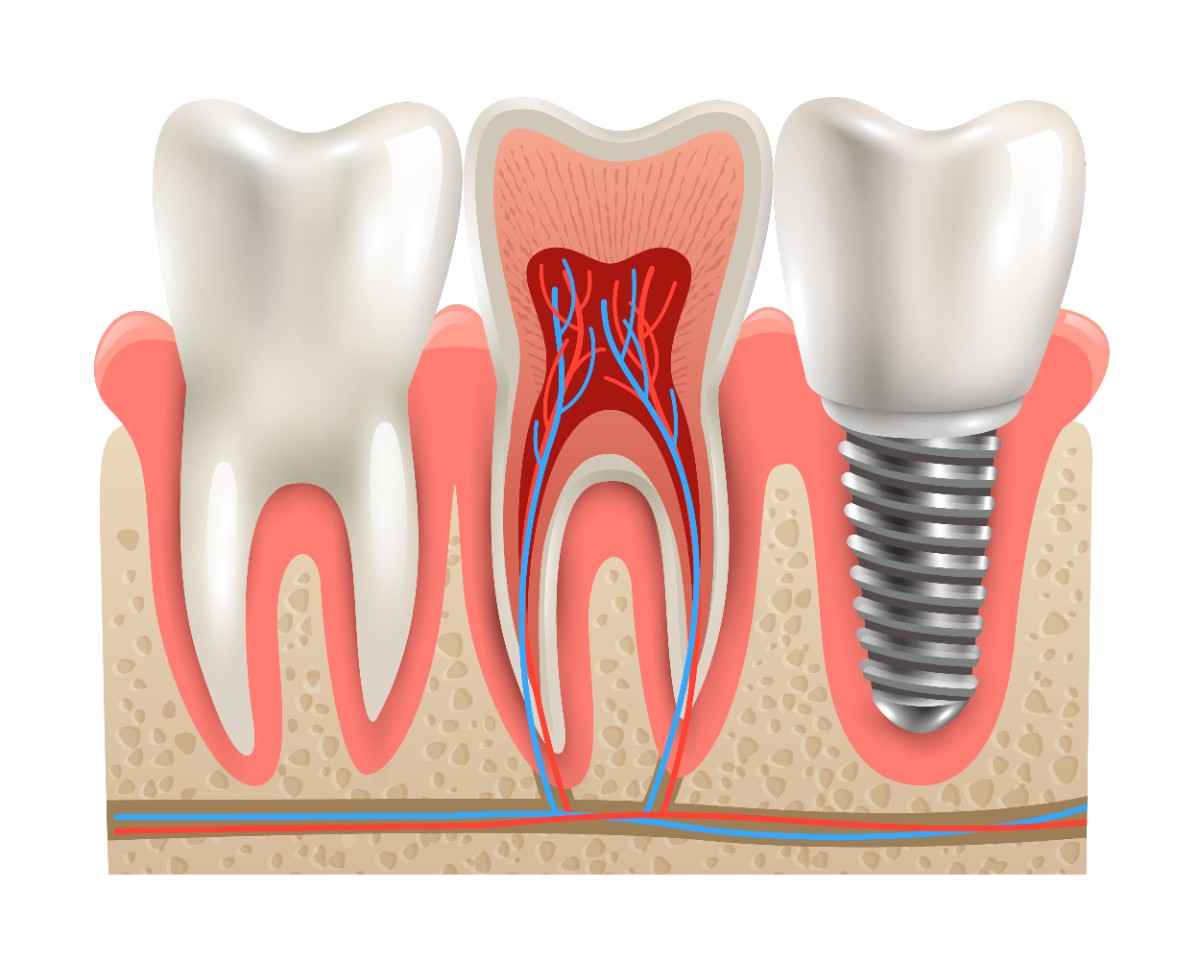
A missing tooth can affect daily life in subtle but important ways—from chewing discomfort to changes in speech and confidence. Even a single gap in your smile can gradually influence how you eat, speak, and interact with others. Fortunately, modern dentistry offers a dependable and long-lasting solution that restores both function and appearance with precision and predictability.
A single dental implant is one of the most effective treatments available today for replacing a missing tooth. It is a complete tooth replacement system that restores the structure from root to crown. The implant consists of a small titanium post that is surgically placed into the jawbone, acting as an artificial tooth root. On top of this post, a custom-designed crown is fixed, carefully crafted to match the color, shape, and alignment of your natural teeth.
A single dental implant is commonly recommended after tooth loss to restore chewing efficiency, prevent adjacent teeth from shifting out of position, and maintain jawbone density. When supported by proper diagnosis, bone evaluation, and treatment planning, implant placement is considered a highly predictable and long-term solution.
What Is a Single Dental Implant?
A single dental implant is specifically designed to replace one missing tooth without affecting the surrounding teeth. Unlike traditional dental bridges, which rely on adjacent teeth for support, implants stand independently. This preserves the natural tooth structure and promotes better long-term oral health.
The titanium implant integrates with the jawbone through a biological process known as osseointegration. Over time, the bone grows around the implant, securing it firmly in place. This fusion provides strength and durability comparable to a natural tooth root, allowing the implant to function just like a real tooth.
Why Consider a Single Dental Implant?
Tooth loss is not just a cosmetic concern. Leaving a gap untreated can lead to several complications, including bone loss, misalignment of teeth, and bite issues. A dental implant addresses these concerns effectively while restoring both aesthetics and functionality.
You may consider a single dental implant if:
- A tooth has been lost due to decay, trauma, or gum disease
- You want a permanent and fixed solution rather than removable options
- You prefer not to alter healthy neighboring teeth
- You want to maintain jawbone strength and facial structure
Patients often report symptoms such as difficulty chewing on one side, food getting trapped in the gap, and gradual shifting of nearby teeth. These issues can worsen over time if not addressed promptly.
Diagnostic Assessment
A successful implant procedure begins with a thorough and structured evaluation. This ensures that the treatment is safe, effective, and tailored to the patient’s needs.
The assessment typically includes:
- A detailed clinical examination
- Digital intraoral imaging to assess tooth and gum condition
- A CBCT (Cone Beam Computed Tomography) scan to evaluate bone density and structure
This comprehensive approach helps determine whether sufficient bone support is available and whether additional procedures, such as bone grafting, may be required.
Key Benefits of Single Dental Implants
Natural Appearance – Implants are designed to blend seamlessly with your existing teeth, providing a natural and aesthetically pleasing result.
Strong and Stable – Because the implant fuses with the bone, it offers excellent stability and does not shift or move during daily activities.
Protects Surrounding Teeth – Unlike bridges, implants do not rely on adjacent teeth for support, preserving their structure and health.
Long-Term Durability – With proper care, implants can last for decades, making them a cost-effective long-term solution.
Improved Oral Function – Patients can eat, speak, and smile confidently without discomfort or restrictions.
Step-by-Step Procedure
The dental implant process is carried out in stages to ensure optimal healing and long-term success:
Initial Consultation – The dentist evaluates oral health, bone density, and overall suitability for implant placement.
Implant Placement – A titanium post is surgically inserted into the jawbone under local anesthesia. The procedure is typically comfortable and precise.
Healing Phase – Over the next few months, the implant integrates with the bone, creating a strong foundation.
Abutment Placement – A small connector, known as an abutment, is attached to the implant to support the crown.
Crown Fixation – A custom-made crown is placed, completing the restoration and restoring full function.
Implant Procedure Details
Duration: Approximately 60 minutes for implant placement
Anesthesia: Local anesthesia ensures a pain-free experience
Immediate complications: None commonly reported when performed under proper clinical conditions
Post-operative care generally includes:
- Following a soft diet for a few days
- Maintaining good oral hygiene
- Attending a follow-up visit within a week
Some patients may experience mild swelling or discomfort during the first 48 hours, which is typically managed with standard medication and subsides quickly.
Longevity and Care
A single dental implant is designed for long-term performance. However, its success largely depends on maintaining good oral hygiene and regular dental care.
To ensure longevity:
- Brush and floss daily
- Visit your dentist for routine check-ups
- Avoid excessive force or habits like teeth grinding
With consistent care, implants can remain functional and aesthetically pleasing for many years, often lasting decades.
Why Choose Core Dental Hub
Core Dental Hub provides advanced dental care with a focus on precision, safety, and patient comfort. The clinic combines modern technology with evidence-based techniques to deliver reliable and consistent outcomes.
Patients benefit from a personalized approach, where every treatment plan is tailored to individual needs. Detailed consultations, accurate diagnostics, and experienced professionals ensure that each implant procedure is carried out with care and attention to long-term success.
Conclusion
A single dental implant is a clinically proven and reliable solution for replacing a missing tooth. It not only restores appearance but also improves oral function and prevents future dental complications. When supported by accurate diagnosis, proper bone assessment, and careful surgical planning, implants offer a stable and durable replacement option.
Related Articles






Publishing note:
This article was submitted by Core Dental Hub. IndiBlogHub provides the publishing platform. Contributor articles may include AI-assisted writing; publication does not imply endorsement by Team IndiBlogHub.
Please review our Disclaimer and Privacy Policy for more information.
