Skin Booster Injections for Teens: Safe, Evidence-Based Guidance for Parents
-

- March 01st, 2026
- 739 views
Detected intent: Informational
The topic of skin booster injections for teens raises strong questions about safety, effectiveness, and long-term outcomes. This guide explains what skin boosters are, why the approach is considered preventive by some clinics, what the scientific and regulatory context looks like, and practical steps parents and adolescents should take before considering any injectable treatment. The phrase skin booster injections for teens appears here because clear language helps families find accurate information and make informed choices.
Core cluster questions
- What are the medical indications for injectables in adolescents?
- How do skin boosters differ from dermal fillers and cosmetic injectables?
- What noninvasive options prevent premature skin aging in teens?
- What qualifications should a provider have when treating adolescents?
- What are realistic outcomes and risks of skin hydration injections?
Skin Booster Injections for Teens: Key Facts
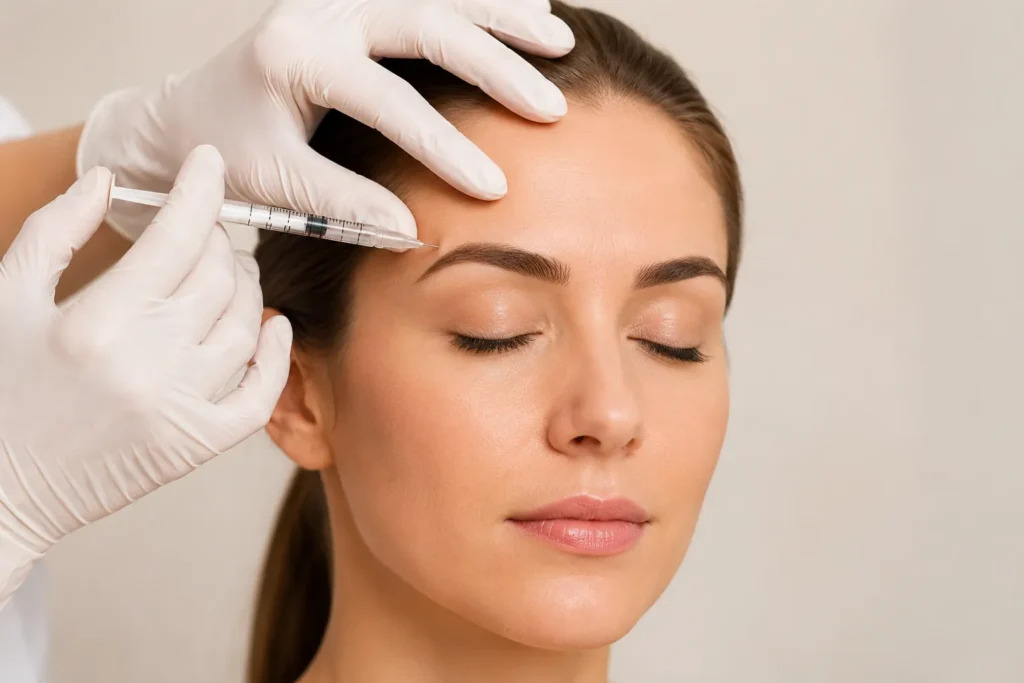
Skin boosters are a category of injectable treatments designed to improve skin hydration, microtexture, and glow by depositing small amounts of product—commonly hyaluronic acid—into the superficial dermis. Unlike volumizing dermal fillers used for contouring, skin boosters aim mainly for improved skin quality. For the phrase skin booster injections for teens, it is important to note that regulatory approvals and professional guidelines often focus on adult populations, and safety data for adolescents are limited.
How skin boosters work and common ingredients
Mechanism
Skin boosters work by increasing local water-binding capacity in the dermis and sometimes stimulating collagen production through controlled microtrauma. Typical delivery methods include microinjections or small boluses placed superficially.
Common ingredients and related terms
Hyaluronic acid, cross-linking chemistry, biocompatibility, and sterile technique are core terms. Alternatives and adjacent procedures include microneedling, topical retinoids, chemical peels, platelet-rich plasma (PRP), and laser resurfacing—each with different risk profiles and evidence levels.
Regulatory and clinical context
Many skin booster products are marketed for adults. Regulatory agencies like the U.S. Food and Drug Administration regulate specific injectable products and label indications; pediatric use is frequently off-label and lacks the same evidence base. For background on dermal fillers and regulatory messaging, see guidance from major regulators such as the FDA What are dermal fillers?.
When might skin boosters be considered for adolescents?
Appropriate situations are uncommon. Examples include:
- Correction of scarring after acne where conservative options have failed and the treating specialist documents medical necessity.
- Specific, diagnosed dermatologic conditions where expert clinical judgment supports an intervention.
Cosmetic, preventive use—injecting otherwise healthy adolescent skin to slow aging—is generally discouraged due to limited long-term safety data and ethical concerns about performing elective procedures on minors.
SAFE Teen Skin Booster Checklist (decision framework)
Use this checklist with any clinic offering preventive skin booster injections to a teen.
- Seek a board-certified dermatologist or pediatric dermatologist for evaluation.
- Assess medical necessity and psychological readiness; document why noninvasive options are inadequate.
- Fully review product information, regulatory status, and safety data; confirm sterile protocol and emergency plans.
- Ensure informed consent with parents/guardians and assent from the adolescent; discuss potential long-term unknowns.
Practical decision steps before proceeding
1. Obtain a multidisciplinary opinion
Consult both a pediatrician and a board-certified dermatologist. For mental health or body-image concerns, involve a counselor.
2. Prefer conservative treatments first
Start with evidence-based, noninvasive prevention: daily sunscreen, moisturizer, topical antioxidants, retinoid therapy when appropriate, and professional acne care if relevant.
3. Confirm provider credentials and technique
Verify that the injector is board-certified, experienced with adolescent patients, and uses clear documentation and emergency protocols (e.g., for allergic reactions or vascular events).
Real-world example
A 17-year-old with deep atrophic acne scarring has tried topical treatments, chemical peels, and microneedling with limited improvement. After documented consultations with a dermatologist and pediatrician, a targeted session of superficial hyaluronic acid microinjections is performed under sterile conditions to improve texture. The team documents risks, obtains informed consent, and schedules follow-ups for monitoring and possible touch-ups. This targeted, medically justified approach differs from elective preventive injections.
Practical tips
- Ask for the product name, lot number, and manufacturer information; request published safety data when available.
- Insist on a documented informed-consent process that includes discussion of unknown long-term outcomes in adolescents.
- Prioritize sun protection and lifestyle interventions—these have the best evidence for preventing premature aging.
- Document baseline photos and schedule follow-ups at 1 week, 1 month, and 6 months to monitor outcomes and complications.
Common mistakes and trade-offs
Common mistakes
- Treating minors for cosmetic preventive reasons without medical indication or proper consent.
- Choosing providers based on price or marketing rather than credentials and documented outcomes.
- Skipping conservative treatments that are safer and well-studied in adolescents.
Trade-offs to consider
Elective injections may produce short-term cosmetic improvement but carry risks (infection, nodules, allergic response, unknown long-term effects). Noninvasive strategies are lower risk but may produce slower or subtler results. Any decision should weigh immediate desires against potential long-term consequences and the adolescent's maturity and autonomy.
What to monitor after a procedure
Watch for infection signs (increasing pain, redness, fever), allergic reactions, lumps, or skin discoloration. Report concerns promptly and keep follow-up appointments. Maintain sunscreen and gentle skincare to protect the treated area.
When to decline or delay treatment
Delay or decline if the adolescent lacks informed assent, if psychological drivers are unclear (body dysmorphia, peer pressure), if the provider cannot document safety data, or if parental consent is not aligned with medical advice.
Final guidance
For most teens, preventive skin booster injections are not necessary and should be approached cautiously. When a medical indication exists, use a multidisciplinary team, prioritize safety and informed consent, and exhaust noninvasive options first.
FAQ
Are skin booster injections for teens safe?
Short-term safety can be acceptable when a qualified specialist performs an appropriate, medically indicated procedure with full consent and follow-up. However, long-term safety data in adolescents are limited; most professional guidance emphasizes caution and conservative care first.
What are safer noninvasive alternatives for teenage skin care?
Daily broad-spectrum sunscreen, moisturizer, topical antioxidants, dermatologist-prescribed acne treatments, professional sun-protection counseling, and lifestyle changes (sleep, hydration, smoking avoidance) offer proven preventive benefits.
Who should be involved in the decision to treat a teen?
A board-certified dermatologist or pediatric dermatologist, the adolescent’s pediatrician, and the parent or legal guardian should be involved. Mental health professionals are recommended when body-image concerns are present.
Can skin boosters cause permanent problems in adolescents?
Rarely, complications such as infection, scarring, or persistent lumps can occur. Because adolescent skin and immune responses may differ from adults, unknown long-term effects are a key reason for caution.
How long do results typically last?
Results vary by product and technique; many skin boosters offer improvements measured in months, not years, and maintenance sessions may be required. Discuss realistic expectations with a qualified clinician.
This guide is informational and not a substitute for direct medical advice. For product-specific regulatory information, consult official sources such as the FDA.