Skin Whitening in Islamabad: Understanding Risks, Regulations, and Safer Choices
-
- February 23rd, 2026
- 1,635 views

FREE SEO Topical Map Generator: Find Your Next Content Ideas
Interest in skin whitening in Islamabad has grown in recent years, reflecting broader cultural and commercial trends in Pakistan and globally. This article explains common products and ingredients, outlines regulatory and safety issues, and suggests how to find qualified dermatological care and evidence-based information.
- Skin whitening in Islamabad involves topical creams, prescription treatments, and cosmetic dermatology procedures; some products carry health risks.
- Regulation, professional oversight, and informed consent reduce harm; Pakistan has regulatory bodies that oversee drugs and medical practice.
- Consult a licensed dermatologist for diagnosis and treatment recommendations and refer to authoritative sources for safety information.
Understanding skin whitening in Islamabad: market, motivations, and common treatments
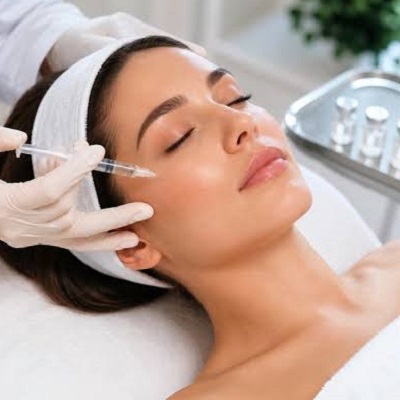
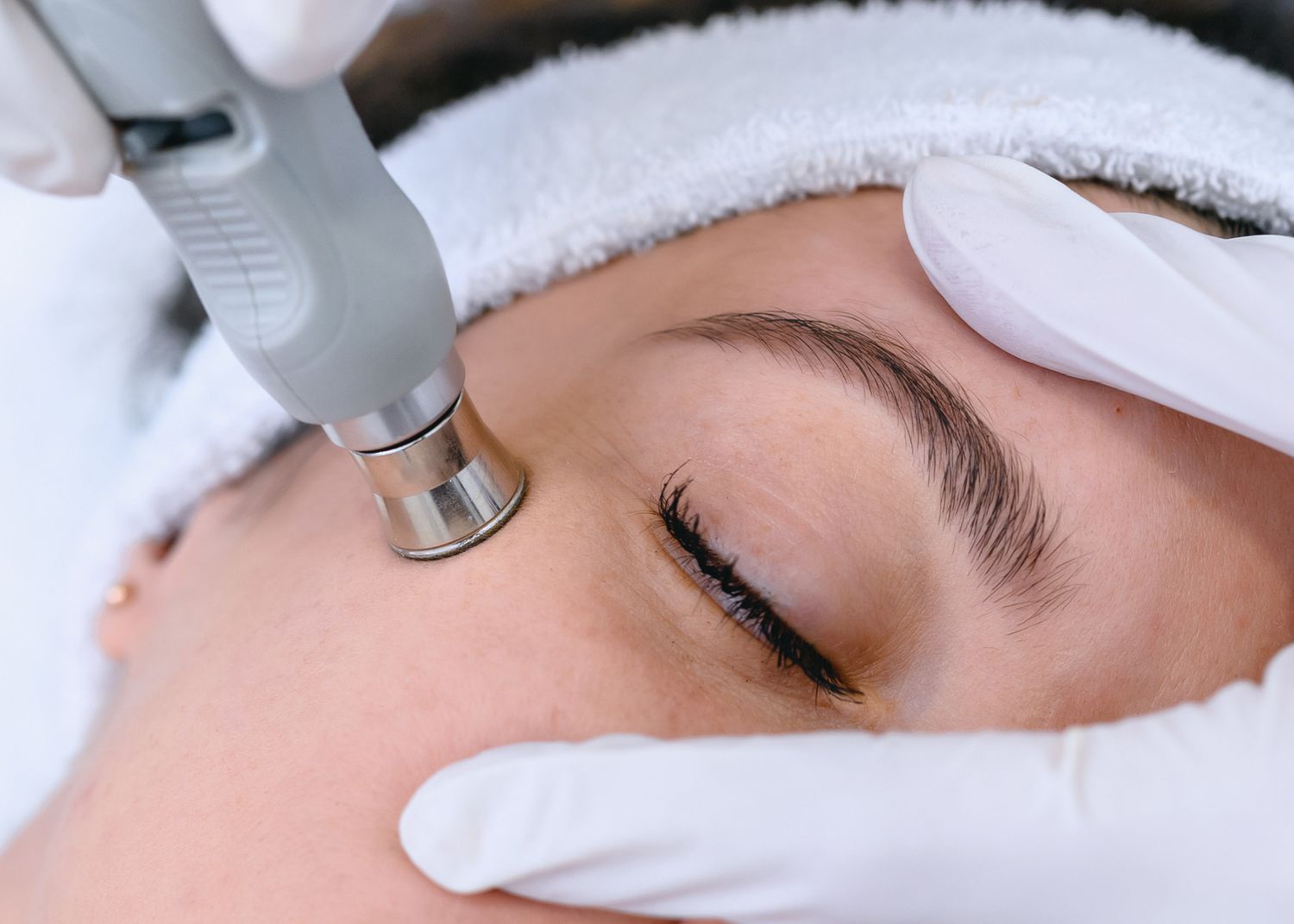
Demand for skin lightening products and services in Islamabad reflects a mix of cultural preferences, marketing, and the availability of over-the-counter and prescription options. Common approaches include topical agents for hyperpigmentation, cosmetic procedures such as chemical peels, and prescription therapies provided under dermatological supervision. Ingredients frequently encountered in products marketed for skin lightening include hydroquinone, corticosteroids, mercury (in illegal or unregulated items), and various depigmenting botanical extracts.
Health risks and safety concerns
Known hazards of certain ingredients
Some popular or informal products contain substances that can cause local and systemic harm. Hydroquinone can irritate skin and, with prolonged unsupervised use, may have adverse effects. Topical corticosteroids can thin the skin and cause rebound pigmentation. Illegal products that contain mercury pose risks including kidney damage and neurological effects. Unregulated combinations increase the chance of allergic reactions, infections, or paradoxical hyperpigmentation.
Quality, contamination, and counterfeit products
Counterfeit and mislabeled goods are a documented global concern. Products purchased informally or through unverified online sellers may differ from labeled ingredients, concentration, or may be contaminated. The Drug Regulatory Authority of Pakistan (DRAP) and health authorities in other countries issue safety notices when hazardous products are identified; consumers are encouraged to check packaging and consult professionals.
Regulation, professional oversight, and local institutions
Regulatory frameworks and professional standards
In Pakistan, regulatory oversight of pharmaceuticals and medical devices is administered through the Drug Regulatory Authority of Pakistan (DRAP). Medical practice and physician licensing are overseen by medical councils, which set standards for clinicians offering dermatological or cosmetic procedures. When considering treatments, checking credentials and licensure with local regulatory bodies helps verify that care is provided by qualified professionals.
Role of dermatologists and qualified clinicians
Board-qualified dermatologists and trained clinicians can evaluate skin conditions such as melasma, post-inflammatory hyperpigmentation, and other causes of uneven pigmentation. A clinical assessment often includes identifying triggers (sun exposure, hormones, medications) and recommending evidence-based therapies, sun protection advice, and follow-up monitoring. Seeking care through recognized clinics or hospital dermatology departments reduces the risk of complications from poorly indicated or improperly performed procedures.
How to evaluate products and clinics in Islamabad
Questions to ask before starting treatment
- Has the diagnosing clinician documented the condition and discussed alternative options and expected outcomes?
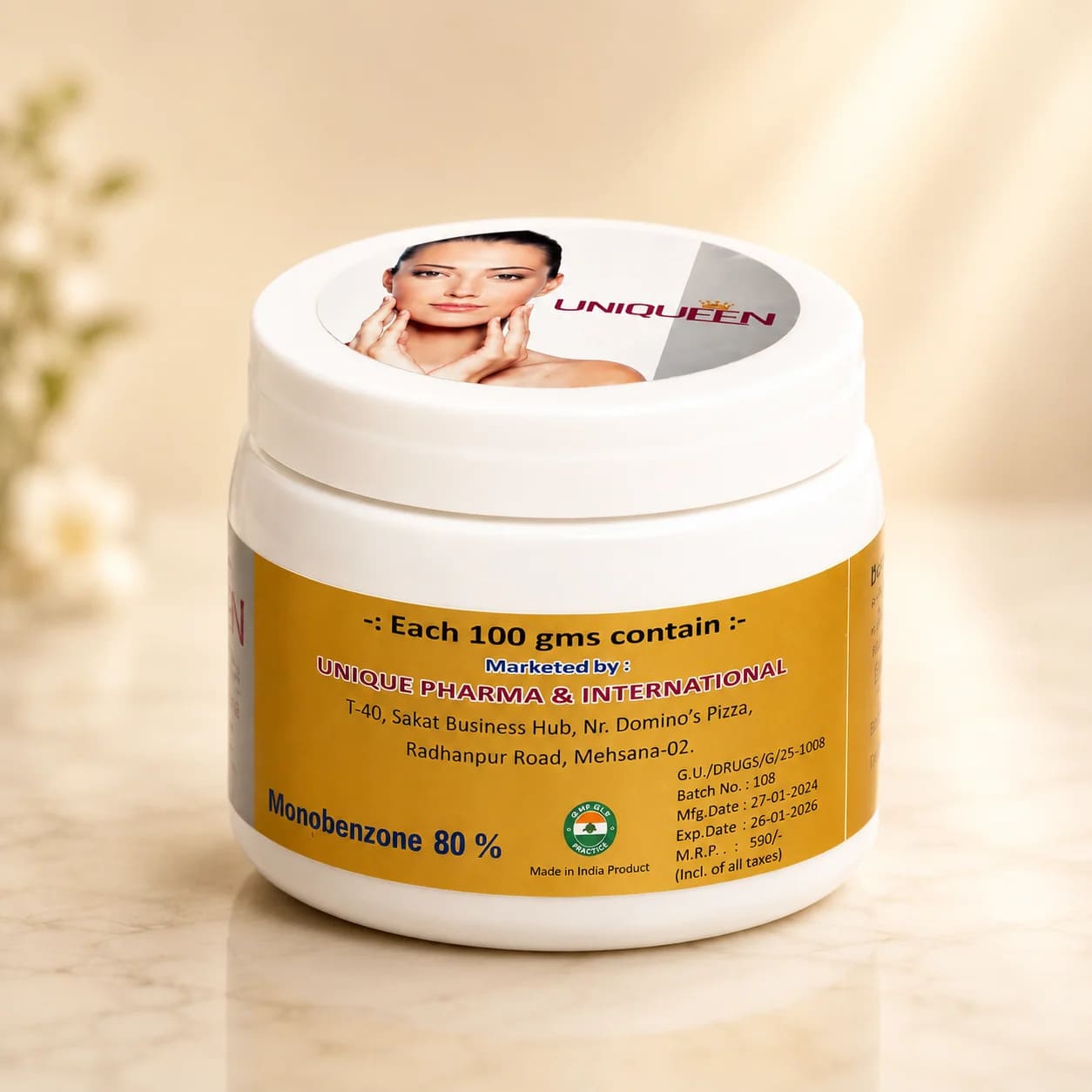
- Are the products registered with national authorities and is their composition clearly stated on packaging?
- Is follow-up care included, and are potential side effects explained in plain language?
Red flags
- Claims of instant, permanent lightening without side effects.
- Products sold informally without labels, expiry dates, or ingredient lists.
- Clinics that pressure for multiple high-cost procedures without documented indications.
Resources and authoritative guidance
For evidence-based guidance on safety and health effects of skin bleaching and related practices, consult recognized international health organizations. The World Health Organization has material discussing the public health implications of skin–lightening products and harmful substances; the WHO site is a reliable reference for consumers and policymakers (WHO: Skin-lightening products). Locally, confirmation of product registration and clinician licensing can be sought from Pakistan's Drug Regulatory Authority and medical councils.
Practical tips for safer decisions
Prefer licensed professionals and documented products
Choose a licensed dermatologist or a recognized clinic, ask to see prescription labels or product registration information, and request written consent for procedures. Keep records of treatments and photographs for monitoring results and side effects.
Emphasize sun protection and gradual approaches
Sun protection and gentle, evidence-based topical agents are commonly part of treatment plans for hyperpigmentation. Clinicians often recommend a staged approach with periodic reassessment rather than aggressive, frequent interventions.
When to seek urgent care
Seek immediate medical attention if a product causes severe irritation, blistering, swelling, or signs of systemic reaction such as fever or widespread rash.
FAQ
Is skin whitening in Islamabad safe?
Safety depends on the specific product or procedure, its ingredients, and whether treatment is supervised by a licensed dermatologist. Products with banned or unlisted substances, or unsupervised use of potent agents, increase risk.
How can a consumer verify a product or clinic?
Check product registration with national regulators, verify clinician credentials with medical councils, ask for ingredient lists and written treatment plans, and look for transparent pricing and follow-up policies.
Are over-the-counter lightening creams effective?
Some over-the-counter products may help mild hyperpigmentation when they contain regulated, evidence-supported ingredients and are used as directed. Effectiveness varies by cause of pigmentation and product formulation; professional assessment clarifies expectations.
What are alternatives to skin whitening products?
Alternatives include treating underlying dermatologic conditions, camouflage cosmetics, and addressing sun protection and skincare routines. Discussion with a qualified clinician can identify non-harmful options suited to individual skin types.
Decisions about skin lightening should balance cultural preferences with evidence-based safety considerations and regulatory guidance. Verifying product registration, consulting qualified dermatology professionals, and consulting reputable health information sources can help reduce risk and support informed choices.