Financial Planning Services for Small Business: How to Build a Practical Financial Roadmap
-

- Published Updated
- 42 views
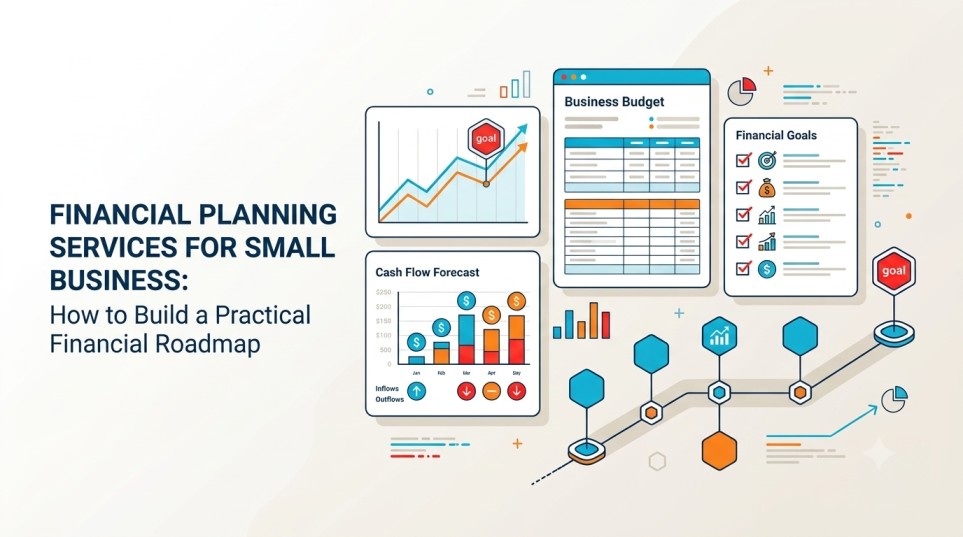
Running a small business involves more than making sales and paying bills. Owners must decide when to hire, how much to spend, whether they can afford new equipment, and how to prepare for slower months. Without a clear plan, it can be difficult to know which decisions the business can afford.
Financial planning services for small business can help owners understand their current financial position, set realistic goals, and plan the steps needed to reach them. A practical financial roadmap does not need to be complicated. It needs to reflect the business's goals, available cash, expected costs, and likely challenges.
Start With a Clear Picture of Your Finances
Before planning for the future, understand where the business stands today. Review your income, expenses, cash balances, debts, and outstanding customer payments.
Start with three basic questions:
- How much money does the business earn?
- How much does it spend to operate?
- How much cash is available to cover upcoming payments?
Your profit and loss statement shows income and expenses over a period. Your balance sheet shows assets, liabilities, and equity. Your cash flow information helps you understand when money enters and leaves the business.
Looking at these records together gives you a more complete picture than reviewing sales alone. A business may report a profit but still face cash shortages if customers pay late or large bills are due soon.
Set Financial Goals You Can Measure
A financial roadmap should connect your business goals with clear financial targets. Instead of saying you want to grow, decide what growth means and how you will measure it.
For example, your goals might include increasing profit margins, reducing overdue customer payments, building a cash reserve, paying down debt, or preparing to open another location.
Each goal should have a target and a time frame. You might aim to reduce overdue invoices over the next six months or save enough cash to cover several weeks of operating expenses.
Choose goals that fit your business's current position. Setting too many targets at once can make it harder to focus on the changes that matter most.
Build a Budget That Reflects Real Costs
A budget estimates how much money the business expects to earn and spend over a set period. It can include sales, payroll, rent, software, insurance, supplies, loan payments, taxes, and other operating costs.
Use past financial records to make your estimates more realistic. Consider seasonal changes, planned hiring, supplier price increases, and other costs that may affect the year ahead.
Financial planning services for small business can help owners build budgets, compare actual results with expectations, and understand why costs or revenue differ from the plan.
Review your budget regularly instead of treating it as a document you prepare once a year. If sales fall or expenses rise, update your assumptions and decide what changes are needed.
Plan Cash Flow Before Problems Arise
Cash flow planning helps you estimate when money will arrive and when payments must be made. This matters because customer payments and business expenses rarely happen at the same time.
For example, you may need to pay employees and suppliers before customers settle their invoices. Even if the business is profitable, this timing gap can create pressure on available cash.
A cash flow forecast can help you prepare for these gaps. List expected customer payments, payroll, rent, taxes, loan payments, and other major expenses. Update the forecast as new information becomes available.
Leave room for unexpected costs when possible. Equipment repairs, delayed payments, or a sudden drop in sales can affect your plans.
Track a Few Important Financial Measures
You do not need dozens of reports to understand your business. Start with a small set of measures that help you make decisions.
Useful measures may include:
- Revenue: How much the business earns from sales.
- Gross profit margin: How much remains after direct costs are deducted from revenue.
- Operating expenses: What it costs to run the business.
- Accounts receivable: Money customers still owe you.
- Available cash: Money on hand to cover upcoming payments.
- Debt payments: How much cash is needed to meet loan obligations.
Review these measures each month and compare them with previous periods or your budget. Look for patterns rather than reacting to every small change.
If revenue is rising but profit is falling, for example, investigate whether direct costs or operating expenses are increasing too quickly.
Prepare for Different Business Scenarios
A financial roadmap should account for uncertainty. Sales may be lower than expected, costs may rise, or a new opportunity may require an investment.
Create a few simple scenarios to understand how changes could affect the business. One can reflect your expected results, another can show what happens if revenue falls, and a third can explore the cost of faster growth.
These scenarios can help you answer questions such as whether you can afford to hire another employee, how much cash you need before expanding, or what expenses you could reduce if sales slow down.
You do not need to predict the future perfectly. The goal is to understand your options before you need to make a difficult decision.
Review and Update Your Roadmap
A financial plan works best when it changes with the business. Set aside time each month to review actual results, check progress toward your goals, and update your forecasts.
Ask yourself:
- Are sales and expenses close to expectations?
- Are customers paying on time?
- Have any major costs changed?
- Are financial goals still realistic?
- Do upcoming decisions require more cash than expected?
If your business has several departments, locations, or income sources, more detailed reports may be needed. The level of planning should match the size and complexity of your operations.
When to Get Professional Financial Support
Some owners can manage basic budgets and cash flow forecasts themselves. Others need help connecting accounting records with larger business decisions, especially when the company is growing or facing financial pressure.
Financial planning services for small business may provide support with budgeting, cash flow forecasting, performance reporting, and longer term financial decisions. This can be useful when owners need clearer forecasts or want to understand the financial impact of expansion, borrowing, or hiring.
Cash flow forecasting for small business is one area that may be helpful when payment timing and upcoming expenses are difficult to manage.
How Cube Accounting Solutions Can Help
Cube Accounting Solutions provides accounting, tax, fractional CFO, and staffing services to businesses across the United States. Depending on a company's needs, financial support may include budgeting, cash flow forecasting, financial reporting, and analysis to help owners understand their results and plan ahead.
The first step is to identify the questions your current financial records do not answer. From there, you can decide whether you need better reporting, a more reliable forecast, or additional guidance with financial planning.
Final Thoughts
A practical financial roadmap helps small business owners turn goals into manageable steps. By understanding current finances, setting measurable targets, preparing a budget, forecasting cash flow, and reviewing results regularly, you can make decisions with greater confidence.
Financial planning services for small business can provide additional guidance when financial choices become more complex. The aim is to create a plan that reflects your real circumstances and helps you prepare for both opportunities and challenges.
If you would like to discuss your business's financial planning needs, you can contact Cube Accounting Solutions to explore the support that may be appropriate for your goals.