Why Small Popcorn Boxes Are Worth Getting Right
-

- Published Updated
- 5,242 views
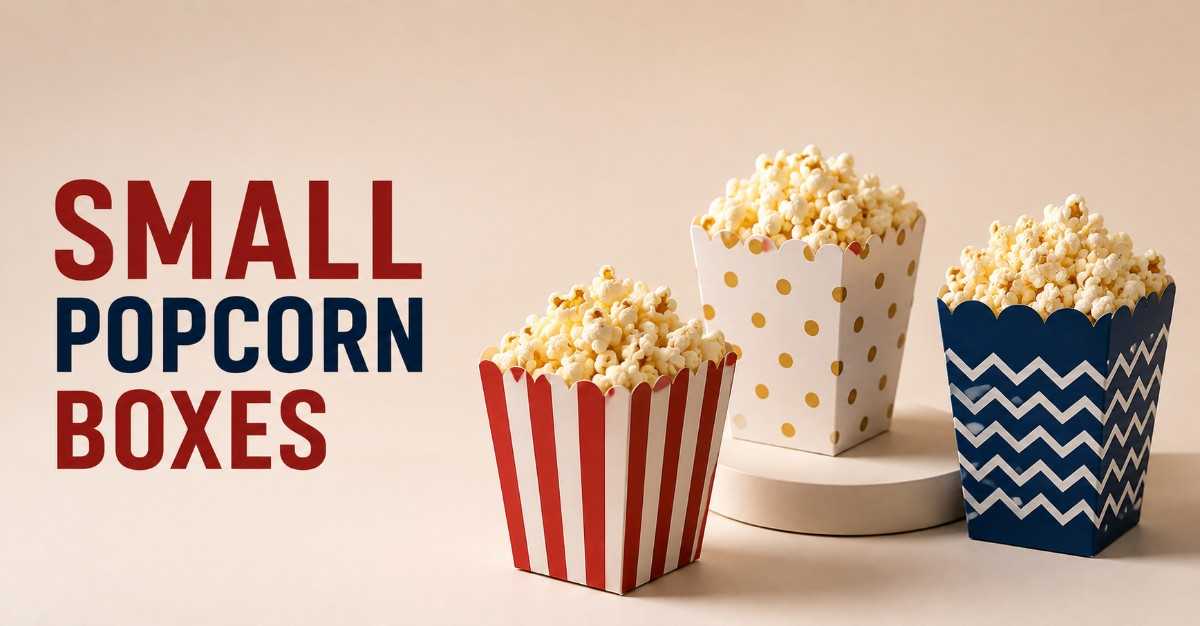
A friend who runs a small dessert and snack stand told me this thing that stuck with me. She used to stock one size of popcorn box. Medium. Felt like a safe middle ground at the time. Turns out a decent chunk of her customers, kids especially, and people just grabbing something quick between errands, wanted smaller. Cheaper. Less commitment. She added a small size next to the medium one, and within a month it was one of her best sellers. Nobody asked her to add it either. She just noticed people hesitating at the counter and figured out why on her own.
That's basically the whole argument for small popcorn boxes, right there in one story. Easy to overlook, since they feel less important next to the big shareable sizes, but they solve a real problem for a specific kind of customer that a lot of businesses just don't think about.
Who Actually Wants the Small Size
Kids, obviously. A full portion often goes half eaten and gets tossed, and parents notice that fast. They tend to gravitate toward whatever vendor offers something smaller instead of paying for food that ends up in a bin.
Then there's the solo customer. Someone grabbing a quick snack alone, not sharing with anyone, who doesn't want a large portion or the price tag that comes with it. Shows up constantly at cinemas, markets, food trucks, and plenty of businesses miss this group entirely by only stocking one or two bigger sizes.
Event organizers lean on small boxes too. Party favors, sample stations, places where the point is a taste rather than a full serving, often alongside other small treat formats like confectionery boxes for the same event.
What Actually Makes a Small Box Work
Size isn't the whole story here. A small box still has to do everything a bigger one does, just smaller, and a few specific things matter.
Proportional branding, for one. A logo that looks great on a large box can end up cramped or unreadable shrunk down onto a smaller surface. Good small box design plans for that reduced print area from the start instead of just scaling a bigger template down and hoping it works.
Grease resistance still matters. Maybe more, honestly. Smaller boxes often get held closer to the body for a shorter, more intense stretch of handling, someone eating fast on the move rather than sitting with a big box on a table. A coating that's not quite up to the job shows its weak spots fast in that kind of situation.
Cost efficiency at scale too. Small boxes usually cost less per unit than bigger ones, which matters for promotions, kids menus, sample giveaways, anywhere margins are already thin.
This popcorn boxes page covers the size range available, small formats included, for kids portions, sampling, and quick service counters.
Where Businesses Get This Wrong
Assuming one size fits everyone is the most common mistake. Usually comes from just copying whatever size a competitor uses without actually checking your own customer mix first.
Treating small boxes like an afterthought during design is another. Branding gets finalized for the large box first, and the shrunk down small version ends up looking cramped or off balance, since proportions that work at one scale don't automatically translate to another.
Underestimating demand for the smaller size happens constantly until it's actually offered. A lot of businesses find out, same way my friend did, that a real chunk of customers were quietly waiting on a smaller, cheaper option the whole time.
It's Not Just About Portion Size
There's a marketing angle here too, easy to miss. A small box at a lower price point is often someone's first purchase from a new stall or brand. Low commitment way to try something before going bigger next time. Get that first small box right, quality and presentation both, and it shapes whether that customer comes back for the bigger size later.
Kraft board tends to work well for smaller boxes aimed at kids or budget conscious buyers specifically. Simple, approachable look, doesn't feel like it's trying too hard for what's really just a quick, casual snack.
Plan the Full Size Range Upfront
Rather than bolting a small size on later, it's usually smarter to plan small, medium, and large together from the start. Keeps branding and material choices consistent across all of them. Avoids that mismatched look that happens when a small size gets added after the fact without matching the rest of the lineup.
Final Thoughts
Small popcorn boxes don't get much attention next to the bigger, shareable formats. But they solve a real gap for kids, solo snackers, anyone testing out a brand for the first time. Getting the size, the branding proportions, the material right at this smaller scale matters just as much as it does for the bigger boxes, even though it's easy to treat as an afterthought.
For a business trying to reach more of the people walking past, adding a properly designed small option is often a small change that ends up mattering more than anyone expects going in.