
Indian Foodism and Smart Culinary Technology
-
- Published Updated
- 8,601 views
Learn how smart technology is enhancing indian foodism and restaurant services.
Nanotechnology and Indian Foodism: Modern Science Transforming the Future of Food
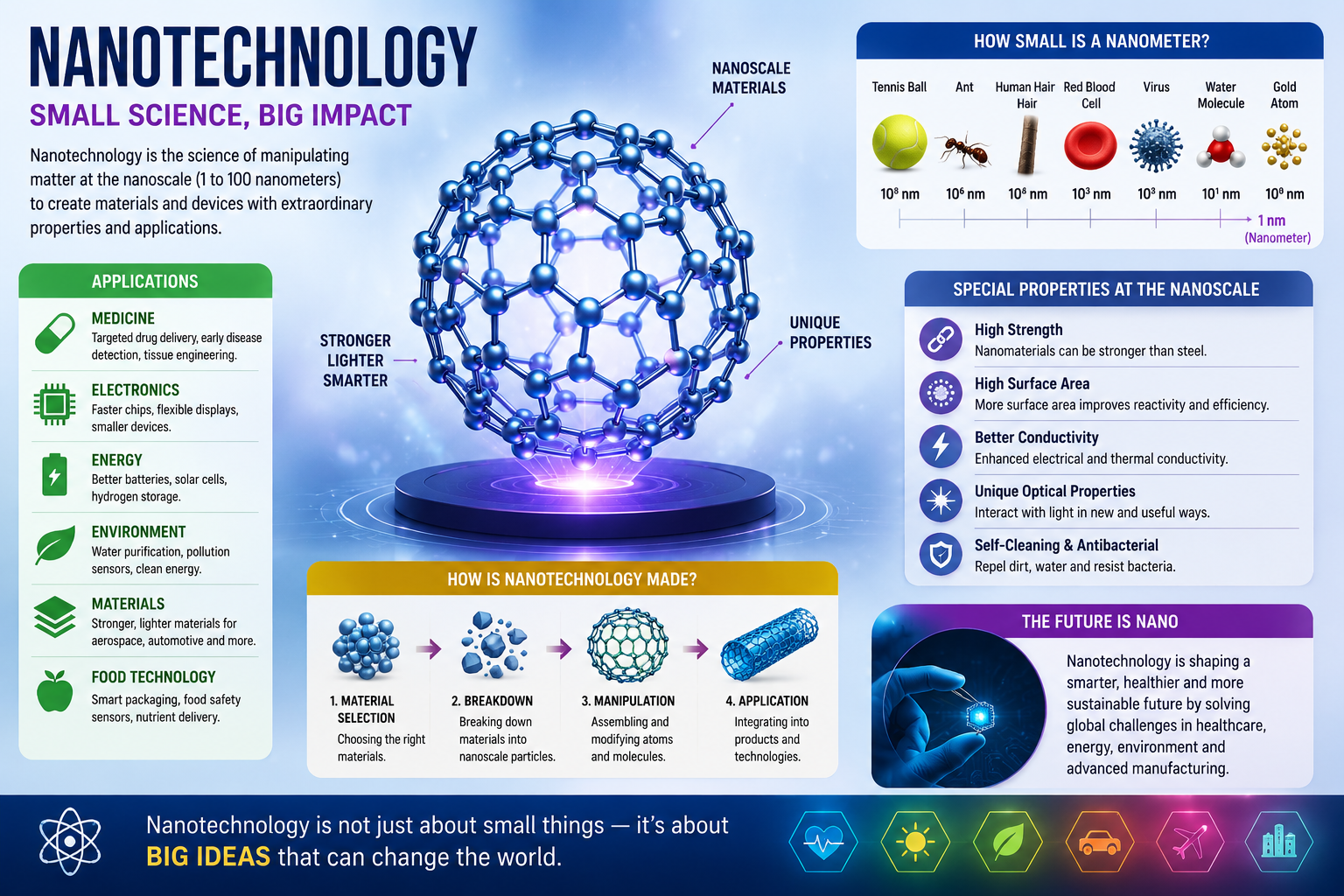
Science and technology are changing the way people live, eat, and experience food. One of the most exciting scientific fields today is nanotechnology, a branch of science that works with extremely tiny particles and materials. While nanotechnology is often associated with medicine and electronics, it is also becoming increasingly important in the food industry. At the same time, the growing trend of indian foodism is attracting food lovers around the world through rich flavors, traditional recipes, and modern culinary experiences.
The combination of nanotechnology and indian foodism is opening new opportunities in food safety, packaging, nutrition, and food delivery systems. Modern science is helping preserve traditional Indian cuisine while improving quality, hygiene, and customer experience.
Indian food has always been known for its diversity and cultural importance. Today, technology and innovation are helping Indian food businesses grow globally. Nanotechnology is becoming a powerful tool that can improve food production, storage, and sustainability while supporting the rapidly growing indian foodism industry.
What is Nanotechnology?
Nanotechnology is the science of working with particles and materials at the nanoscale, usually between 1 and 100 nanometers. A nanometer is extremely small, about one-billionth of a meter.
At this tiny scale, materials often behave differently and can develop special properties. Scientists use nanotechnology in several industries, including:
- Medicine
- Electronics
- Energy
- Environmental science
- Agriculture
- Food technology
Nanotechnology helps improve efficiency, durability, safety, and performance in many products and systems.
Understanding Indian Foodism
The term indian foodism represents the growing passion for Indian food, culture, flavors, and dining experiences. It goes beyond traditional meals and includes food blogging, street food culture, fusion cuisine, online food delivery, and social media food trends.
Indian foodism celebrates the diversity of Indian cuisine, including dishes from different regions such as:
- Punjabi curries
- South Indian dosa and idli
- Gujarati snacks
- Bengali sweets
- Rajasthani thalis
- Maharashtrian street food
Indian cuisine is becoming increasingly popular worldwide because of its rich taste, spices, and cultural uniqueness.
How Nanotechnology is Helping the Food Industry
Nanotechnology is creating major improvements in food production and safety. Many food companies are now investing in scientific research to improve customer experience and food quality.
Smart Food Packaging
One of the biggest applications of nanotechnology is smart food packaging. Nanomaterials help packaging become stronger, safer, and more resistant to bacteria.
This technology can increase the shelf life of Indian snacks, spices, and packaged meals used in indian foodism businesses.
Improved Food Safety
Nanotechnology-based sensors can detect harmful bacteria or contamination in food products quickly. This improves hygiene standards in restaurants and food manufacturing industries.
Better Nutritional Value
Scientists are developing nano-based nutrient delivery systems that help the body absorb vitamins and minerals more effectively.
Freshness Monitoring
Some advanced packaging systems can monitor food freshness and quality in real time. This helps reduce food waste and improve customer satisfaction.
Connection Between Nanotechnology and Indian Foodism
The combination of nanotechnology and indian foodism is helping modernize the food industry while preserving traditional flavors.
Online Food Delivery
Food delivery businesses depend on packaging that keeps meals fresh during transportation. Nanotechnology improves temperature control and food preservation.
Spice Preservation
Indian cuisine uses many spices that lose flavor over time. Nanotechnology helps preserve aroma, freshness, and nutritional quality.
Healthier Indian Foods
Scientists are researching healthier cooking oils, low-fat ingredients, and improved nutritional products using nanotechnology.
Food Export Opportunities
Improved packaging and preservation systems allow Indian food products to reach international markets more safely and efficiently.
Role of Technology in Modern Indian Food Businesses
Technology has transformed the indian foodism industry in many ways.
Food Delivery Apps
Apps allow customers to order Indian food instantly from restaurants and cloud kitchens.
Social Media Marketing
Food bloggers and influencers promote Indian dishes through videos, photos, and reviews.
Digital Payments
Online payment systems make food ordering more convenient and secure.
AI and Customer Analytics
Restaurants use artificial intelligence to understand customer preferences and improve services.
Technology is helping Indian food businesses reach larger audiences worldwide.
Health Benefits of Indian Cuisine
One reason indian foodism continues growing is because many Indian dishes contain healthy ingredients.
Spices and Herbs
Indian spices such as turmeric, ginger, garlic, and cumin have natural health benefits.
Vegetarian Options
Many Indian meals include lentils, vegetables, and plant-based proteins.
Fermented Foods
Foods like dosa and idli support digestion and gut health.
Balanced Nutrition
Traditional Indian meals often include carbohydrates, proteins, vitamins, and healthy fats.
Nanotechnology may further improve nutritional delivery and food quality in the future.
Challenges in the Food Industry
Despite growth opportunities, the indian foodism industry faces several challenges.
Food Preservation
Maintaining freshness during transportation and storage can be difficult.
Hygiene Standards
Restaurants and food manufacturers must maintain high hygiene levels.
Rising Competition
The food industry is highly competitive, requiring innovation and quality service.
Environmental Concerns
Plastic packaging and food waste create environmental problems.
Nanotechnology may help solve many of these challenges through sustainable and efficient solutions.
Future of Nanotechnology in Indian Foodism
The future of nanotechnology in the food industry looks extremely promising.
Sustainable Packaging
Eco-friendly nanomaterials may reduce plastic waste and environmental pollution.
Personalized Nutrition
Scientists may develop customized food products based on individual health needs.
Smart Restaurants
Restaurants may use AI and nanosensors for automated quality control and customer service.
Improved Food Delivery Systems
Advanced packaging technologies could keep food fresher for longer periods.
As indian foodism continues expanding globally, nanotechnology will likely become more important in maintaining quality and innovation.
Interesting Facts About Nanotechnology and Food
Here are some fascinating facts:
- Nanotechnology can improve food shelf life significantly
- Nano-coatings help protect food from bacteria and moisture
- Scientists are developing edible nanomaterials for safer packaging
- Indian spices are studied globally for their medicinal properties
- Food technology is becoming one of the fastest-growing scientific industries
These developments demonstrate how science is transforming the food world.
Why Indian Foodism is Becoming a Global Trend
Indian cuisine has gained worldwide popularity because of its unique flavors and cultural richness.
Diverse Recipes
India offers thousands of regional dishes and cooking styles.
Strong Social Media Presence
Food videos and restaurant reviews attract millions of viewers online.
Fusion Cuisine
Chefs are combining Indian flavors with international dishes creatively.
Tourism and Culture
Travelers visiting India often explore local food traditions as part of their cultural experience.
Indian foodism is now recognized as both a cultural movement and a profitable business industry.
