Smart Laser Hair Removal Guide: Tips, Safety, and What to Expect
-

- Published Updated
- 1,421 views
Laser hair removal is a commonly chosen method for long-term hair reduction that works by targeting pigment in the hair follicle. This guide summarizes core concepts, device types, safety considerations, preparation steps, and realistic expectations for results and maintenance.
- Laser hair removal targets melanin in the hair shaft and follicle; suitability depends on hair color and skin type.
- Different technologies (diode, Alexandrite, Nd:YAG) suit different Fitzpatrick skin types.
- Preparation and aftercare reduce side effects and improve outcomes.
- Regulatory information and device clearance are relevant; see official guidance for safety details.
Laser hair removal: how it works and what to expect
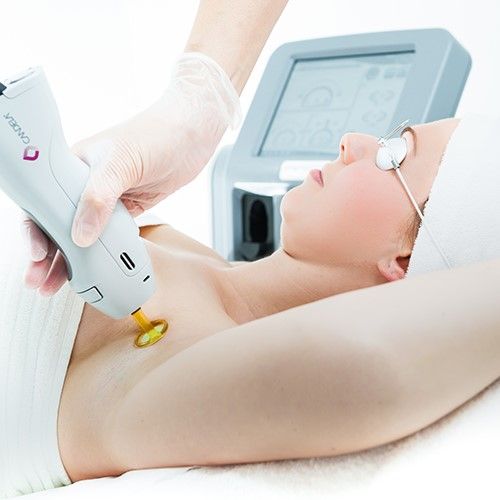
Laser hair removal uses focused light energy absorbed by melanin in the hair to heat and damage the follicle, slowing future growth. Effectiveness varies by hair color, thickness, and the treated area. Darker, coarser hair typically responds better because it contains more pigment. Multiple sessions are usually needed because hair grows in cycles and only follicles in the active growth phase respond optimally to treatment.
Types of lasers and related technologies
Common laser platforms
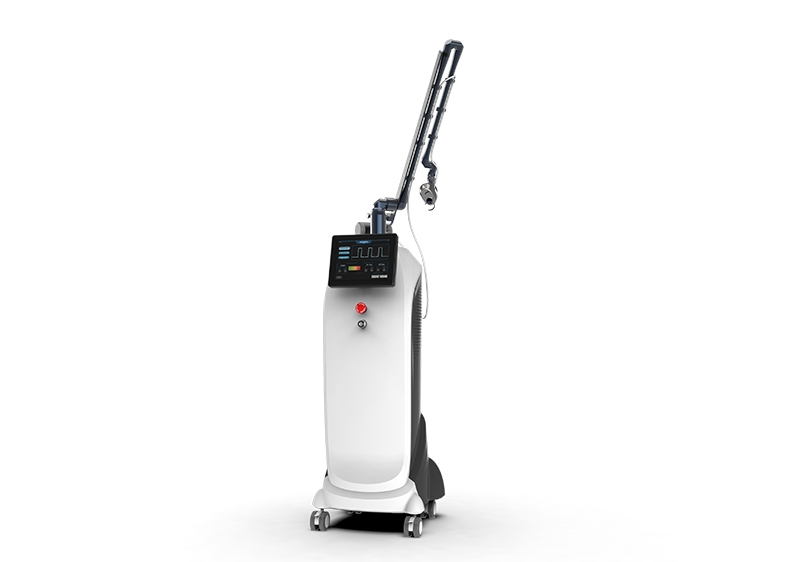
Several laser types are commonly used: diode lasers (often used for broader skin type coverage), Alexandrite lasers (effective on lighter skin with dark hair), and Nd:YAG lasers (safer for darker skin due to deeper penetration and reduced melanin absorption). Intense pulsed light (IPL) devices are not true lasers but are sometimes used for hair reduction; IPL emits a broader wavelength range and may require different settings and safety precautions.
Cooling systems and device settings
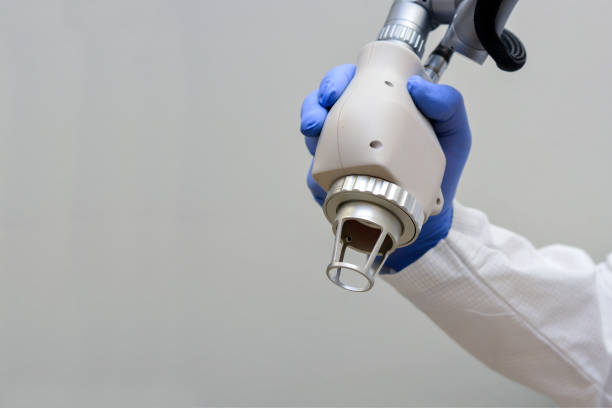
Most professional devices include surface cooling (contact cooling, cryogen spray, or chilled air) and adjustable pulse duration, fluence (energy), and spot size. Cooling reduces discomfort and lowers the risk of superficial burns. Device selection and parameter adjustments are important for matching treatment to skin type and hair characteristics.
Preparing for laser hair removal
Pre-treatment checklist
- Avoid tanning and sun exposure for several weeks prior; recent tanning increases the risk of burns and pigment changes.
- Shave the area 24–48 hours before treatment unless instructed otherwise; shaving leaves the follicle intact but removes surface hair that could burn.
- Disclose medications and medical history, including photosensitizing drugs and active skin conditions.
- Patch testing on a small area may be performed to assess reaction for certain skin types or device settings.
Safety, side effects, and regulation
Common reactions and risk factors
Typical short-term effects include redness, swelling, and temporary pigment changes. Less common outcomes can include blistering, scarring, or paradoxical hypertrichosis (increased hair growth) in rare cases. Risks increase with inadequate pre-treatment assessment, untrained operators, or inappropriate device settings for skin type.
Regulatory context and authoritative resources
Regulatory agencies and professional bodies publish guidance on laser safety and device clearance. Device clearance by regulators does not eliminate all risk; operator training and clinical protocols matter. For official regulatory information on lasers and hair removal devices, consult the FDA's resource on laser hair removal: FDA page on laser hair removal. Professional organizations such as the American Academy of Dermatology provide clinical practice information and patient resources.
Aftercare and realistic results
Immediate post-treatment care
Simple measures reduce discomfort and support healing: cool compresses, gentle cleansers, broad-spectrum sunscreen on exposed areas, and avoiding heat exposure (hot baths, saunas) for a short period. Avoid exfoliating treatments or chemical peels until the skin has recovered from any redness or irritation.
Expectations for outcomes
Most people see significant hair reduction after several sessions spaced according to the treated area and hair growth cycle. Maintenance treatments may be needed over months or years. Hair color and hormonal influences affect long-term results; lighter blonde, gray, or red hair has less predictable response because of lower melanin content.
Choosing a practitioner and treatment setting
Licensed medical or regulated aesthetic professionals typically perform clinical laser treatments. Training, experience with the selected device, and adherence to safety protocols are important considerations. Clinics should provide a transparent assessment of risks, likely outcomes, and a clear treatment plan including the number of sessions and follow-up care.
Costs and session planning
Costs vary by region, area treated, device type, and number of sessions. Pricing models range from per-session fees to package plans. Comparison shopping should consider provider qualifications and device type rather than price alone.
Frequently asked questions
How does laser hair removal work?
Laser hair removal directs concentrated light at the hair follicle pigment (melanin). The absorbed light converts to heat, damaging structures in the follicle that support hair growth. Because hair grows in cycles, repeated sessions are needed to target follicles in the active phase.
Who is a good candidate for laser hair removal?
Suitability depends on a combination of hair color, skin tone (often described by Fitzpatrick skin types), hormonal status, and medical history. Dark hair on lighter skin generally responds most predictably, while individuals with darker skin or lighter hair require specific device choices and expert assessment.
What are common side effects and how long do they last?
Short-term side effects include redness and swelling that typically resolve within hours to a few days. Temporary pigment changes can last weeks to months. Persistent adverse effects are uncommon when treatment is performed by trained operators using appropriate devices for the skin type.
Is laser hair removal permanent?
Laser treatment often results in long-term hair reduction rather than permanent removal for all follicles. Many experience years of reduced growth, but maintenance sessions may be required. Results vary by individual factors including hormones and hair color.