How Volift Dermal Fillers Smooth Fine Lines: Safety, Results, and Aftercare
-

- March 06th, 2026
- 390 views

FREE SEO Topical Map Generator: Find Your Next Content Ideas
Volift dermal fillers: What they do and who benefits
Volift dermal fillers are hyaluronic acid-based injectables designed to soften fine lines and dynamic wrinkles while preserving natural facial movement. This guide explains how Volift dermal fillers work, typical treatment areas, realistic results, and safe aftercare so readers can decide whether the treatment fits their goals.
- Volift (a flexible hyaluronic acid filler) is used to smooth moderate facial lines and restore subtle volume.
- Most common treatment zones: nasolabial folds, marionette lines, oral commissures, and midface support.
- Results appear immediately; optimal texture and integration develop over 2–4 weeks. Typical longevity: 9–12 months depending on individual factors.
- Follow a simple aftercare checklist to reduce swelling and bruising; seek a qualified injector and discuss risks, vascular anatomy, and emergency protocols.
How Volift dermal fillers work
Volift contains cross-linked hyaluronic acid formulated for elasticity and tissue integration. Its rheology—balance of cohesivity and flexibility—lets the product smooth lines while moving with facial expressions. The filler attracts and binds water to restore contour and support soft tissue, reducing the appearance of creases without a stiff or overfilled look.
Common treatment zones and expected timeline
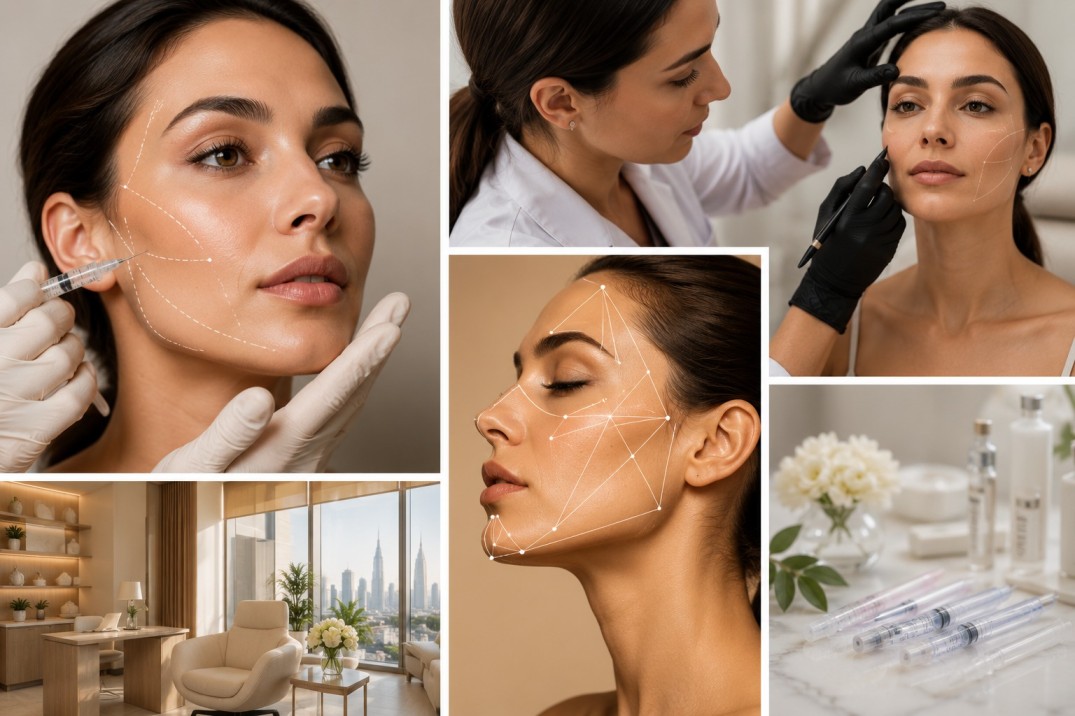
Common indications include nasolabial folds, marionette lines, the corners of the mouth, and subtle midface augmentation for lift. Clinically, improvements are visible immediately; peak tissue integration and settling often occur over 2–4 weeks. Typical durability ranges from 9 to 12 months, affected by metabolic rate, injection depth, and product volume. For a clearer planning perspective, search terms like "Volift filler treatment zones" and "Volift results timeline" reflect common patient concerns about where and when effects appear.
Candidate checklist and safety considerations
Good candidates are adults seeking correction of moderate lines without major structural changes. Contraindications include active skin infection at the injection site, known allergy to hyaluronic acid or lidocaine (if present in product), pregnancy, breastfeeding, and certain autoimmune disorders—discuss these with a licensed clinician. Safety protocol should include vascular mapping, slow injection techniques, and an emergency plan (e.g., availability of hyaluronidase for vascular compromise). Medical societies like the American Society of Plastic Surgeons and regulatory bodies such as the FDA provide safety resources and guidelines on dermal filler best practices.
SAFE FILLER framework for planning and aftercare
Use the SAFE FILLER framework to standardize decision-making and reduce complications:
- S — Screening: medical history, medications, allergies, and realistic expectations.
- A — Anatomy review: identify vascular pathways and high-risk zones for each treatment area.
- F — Formulation choice: match rheology (elasticity, cohesivity) to the target tissue.
- E — Education: explain risks, downtime, and emergency protocols to the patient.
- F — Follow aseptic technique and use appropriate needle/cannula choice.
- I — Inject gradually with minimal pressure; aspirate if using needles where appropriate.
- L — Logistics for aftercare: cold compresses, activity limits, and medications if needed.
- L — Legal documentation and consent, including photography and follow-up plan.
- E — Emergency readiness: hyaluronidase and contact plan for vascular events.
- R — Review and schedule touch-ups based on clinical response.
Procedure steps: what to expect during treatment
- Consultation and photos. Clinical assessment of facial dynamics and skin quality.
- Marking and anesthetic: topical numbing or local infiltration if required.
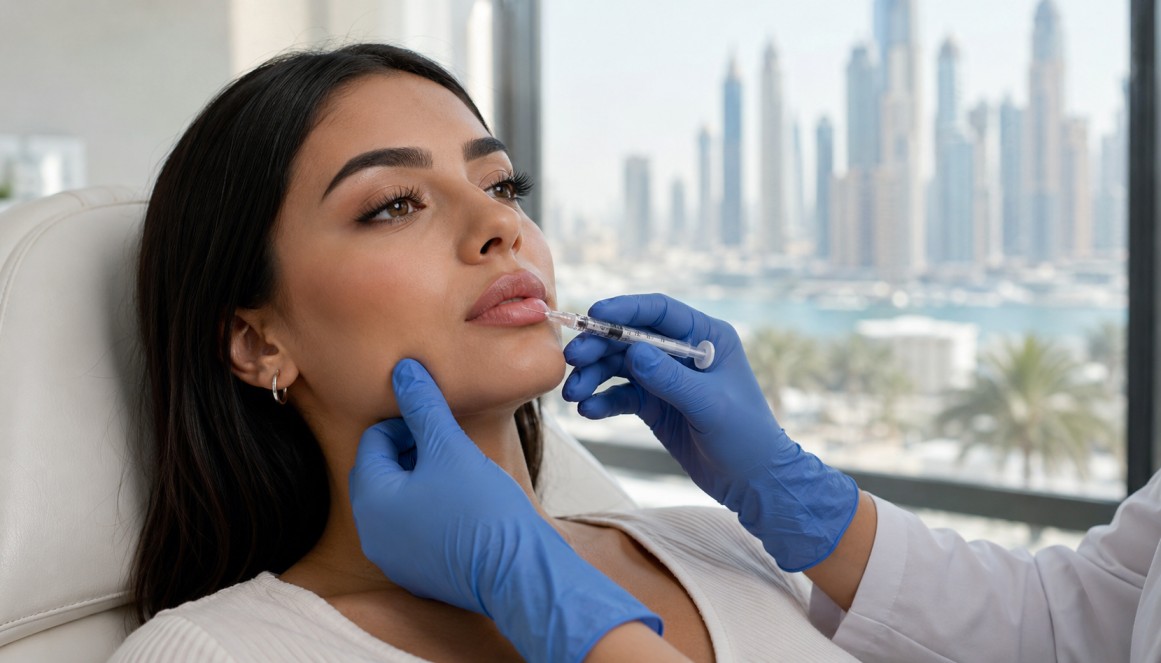
- Injection using needle or blunt-tip cannula depending on zone and risk.
- Immediate assessment and gentle molding if needed; brief observation for acute reactions.
- Aftercare instructions and scheduled follow-up at ~2 weeks to assess integration.
Real-world example scenario
Case scenario: A 48-year-old patient presents with moderate nasolabial folds and early marionette lines. After screening and anatomy review, the clinician injects 0.5 mL Volift per nasolabial fold (total 1.0 mL) using a cannula for safety and even tissue distribution, plus 0.4 mL divided for the marionette area. Immediate improvement is visible; mild swelling and tiny hematomas resolve within 5–10 days. At a 4-week follow-up the texture is smoother and natural with preserved animation. The patient schedules a top-up at 10 months based on gradual loss of correction.
Practical tips: pre-treatment and aftercare (3–5 actionable points)
- Avoid NSAIDs and high-dose vitamin E 48–72 hours before treatment if safe for health status; this can reduce bruising risk—consult a prescribing clinician first.
- Use cold compresses for the first 24 hours to minimize swelling; avoid heat and strenuous exercise for 48 hours.
- Sleep with head elevated the first night to reduce edema.
- Keep the injection area clean and skip facials, chemical peels, and dental work for 1–2 weeks unless cleared by the provider.
- Contact the clinic promptly for severe pain, worsening discoloration, or signs of vascular compromise (blanching, worsening pain, or livedo patterns).
Trade-offs and common mistakes
Trade-offs: choosing a flexible filler like Volift favors natural movement but may provide less structural lifting than firmer, more highly cross-linked products. For deep structural support, a denser filler or combination strategies may be better. Overcorrection is a common mistake—injectors should aim for conservative initial volumes and plan touch-ups. Other common errors include inadequate anatomical assessment, ignoring prior filler history, and failure to document baseline photographs and consent.
Core cluster questions (for related articles and internal linking)
- How long do Volift filler results typically last for lines around the mouth?
- What are the safest injection techniques for nasolabial folds?
- How does Volift compare to firmer hyaluronic acid fillers for cheek support?
- What is the recommended aftercare to minimize bruising and swelling after dermal filler injections?
- When is hyaluronidase indicated for hyaluronic acid filler complications?
Safety resources and professional guidance
For authoritative guidance on filler safety, follow resources and clinical statements from specialty societies. For patient-facing safety information on dermal fillers, see the American Society of Plastic Surgeons’ overview (external resource): ASPS — Dermal Fillers. Mention of the U.S. Food and Drug Administration (FDA) is relevant when discussing approved devices and labeling; consult regulatory information for the most current approvals and safety notices.
Follow-up and realistic expectations
Plan a review at 2–4 weeks to confirm product integration and symmetry; many providers schedule annual or biannual maintenance depending on aesthetic goals. Communicate that fillers address soft-tissue contour and lines—skin quality and texture may require adjunct treatments (laser, microneedling) if desired. Discuss cost, expected duration, and staged treatment to avoid overtreatment.
Conclusion
Volift dermal fillers offer a flexible option for smoothing fine lines while preserving facial expression. Proper candidate selection, anatomy-aware technique, conservative volume strategy, and an evidence-based aftercare checklist reduce risk and improve satisfaction. When in doubt, seek a licensed, experienced injector who follows established safety protocols and documents outcomes.
FAQ: What are common questions about Volift dermal fillers?
How long do Volift dermal fillers last?
Longevity varies by individual, treatment area, and volume; typical durability is 9–12 months, with some patients maintaining improvement longer. Metabolism, injection depth, and lifestyle influence resorption rate.
Are Volift injections painful and is anesthesia used?
Discomfort is usually mild. Topical anesthetic, local infiltration, or fillers containing lidocaine make the procedure tolerable. Discuss pain-management options with the clinician before treatment.
What are the signs of a filler complication and when to contact a clinician?
Urgent signs include severe pain, prolonged blanching, spreading discoloration, or sudden vision changes. Mild redness, swelling, and small bruises are common and normally resolve in days to two weeks. Seek immediate care for suspected vascular events.
Can Volift be combined with other treatments?
Yes. Volift is often part of multi-modality plans (neuromodulators, skin resurfacing, energy-based devices). Staging and sequencing depend on goals and safety considerations; coordinate treatments with the provider.
How much downtime should be expected after Volift filler injections?
Minimal downtime is typical: expect some swelling and possible bruising for 3–10 days. Avoid strenuous exercise, hot environments, and anticoagulant supplements immediately after treatment to reduce swelling and hematoma risk.