Sony’s New Wearable Cooler Tries to Make Summer Easier
-

- May 17th, 2026
- 7,395 views
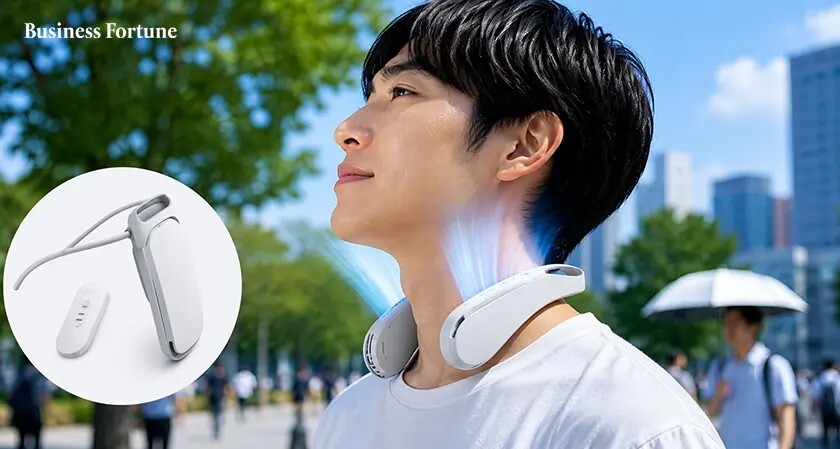
As global temperatures continue rising and heatwaves become more intense across major cities, technology companies are racing to create innovative solutions that help people stay comfortable outdoors. One of the latest developments attracting worldwide attention is Sony’s new wearable cooling device, designed to provide personal temperature control during hot summer conditions.
The launch highlights how wearable technology is evolving beyond fitness tracking and smart notifications into lifestyle-focused innovations that directly improve everyday comfort. Sony’s cooling gadget reflects a growing market trend where technology companies are exploring practical solutions for climate-related challenges.
With urban heat levels increasing and outdoor mobility becoming more difficult during peak summer months, wearable cooling systems may soon become part of daily life for commuters, workers, travelers, and athletes.
The Growing Demand for Personal Cooling Technology
Heat-related discomfort has become a serious issue in many countries, especially during prolonged summer seasons. Rising temperatures not only affect productivity and comfort but also create health risks linked to dehydration, heat exhaustion, and fatigue.
Traditional cooling solutions like fans and air conditioners remain essential, but they are not always practical while traveling, walking outdoors, or commuting in crowded public spaces.
This growing challenge has fueled interest in portable cooling technologies that offer mobility and convenience. Sony’s wearable cooling device enters this market at a time when consumers are increasingly searching for compact and efficient ways to manage heat exposure.
According to industry analysts, the wearable cooling segment is expected to expand rapidly in the coming years as climate adaptation technologies become more mainstream.
How Sony’s Wearable Cooler Works
Sony’s wearable cooler is designed to be lightweight, compact, and discreet enough for everyday use. The device is typically worn around the neck or upper back area beneath clothing, where it helps regulate body temperature through advanced thermal control systems.
The cooling mechanism works by absorbing heat from the body and creating a localized cooling sensation. Some wearable cooling systems also include warming modes for colder weather, making them adaptable across different seasons.
The key appeal lies in portability. Unlike large cooling systems, wearable devices allow users to stay mobile while maintaining personal comfort.
The technology is particularly useful for:
- Daily commuters
- Outdoor workers
- Travelers
- Athletes and fitness users
- Event attendees
- Urban residents facing extreme summer heat
Sony’s approach combines ergonomic design with modern wearable engineering, aiming to make the device practical rather than bulky or intrusive.
Smart Technology Meets Climate Comfort
The launch also reflects a broader shift in consumer electronics where smart devices increasingly focus on wellness and environmental adaptation.
Wearable technology is no longer limited to smartwatches and health monitoring. Companies are now exploring how technology can actively improve comfort, convenience, and quality of life in changing climate conditions.
Sony’s wearable cooler demonstrates how:
- Miniaturized electronics
- Battery efficiency improvements
- Smart sensors
- Lightweight materials
- Thermal regulation systems
are converging to create new product categories.
Some advanced wearable cooling devices may eventually integrate AI-powered temperature adjustment systems capable of adapting cooling intensity based on environmental conditions and user activity.
Why Japan Leads in Wearable Cooling Innovation
Japan has become one of the leading countries in climate-adaptive wearable technology. High summer humidity, dense urban environments, and strong consumer interest in compact electronics have made Japan an ideal testing ground for personal cooling solutions.
Japanese technology companies have long specialized in:
- Portable electronics
- Compact engineering
- Energy-efficient devices
- Lifestyle-focused innovations
The country’s aging population and urban commuting culture also increase demand for technologies that improve physical comfort during extreme weather.
Sony’s wearable cooler aligns with this broader innovation culture, where practical convenience often drives product development.
The Rise of Climate-Tech Consumer Products
The increasing popularity of wearable cooling devices reflects the rapid expansion of climate-tech consumer products worldwide.
As climate conditions become more unpredictable, consumers are beginning to invest in technologies designed to help them adapt to environmental stress.
This includes:
- Smart cooling wearables
- Portable air purification devices
- Heat-resistant clothing
- Smart hydration systems
- Solar-powered portable electronics
The climate-tech sector is evolving into a major business opportunity for consumer electronics companies.
Experts believe that future wearable products may combine multiple functions such as:
- Cooling
- Health tracking
- Air quality monitoring
- UV exposure alerts
- Fitness integration
creating fully connected personal wellness ecosystems.
Challenges Facing Wearable Cooling Devices
Despite growing interest, wearable cooling technology still faces several challenges before achieving mass-market adoption.
Some of the biggest concerns include:
- Battery life limitations
- Cooling efficiency in extreme heat
- Device comfort during extended use
- Pricing and affordability
- Fashion and design acceptance
Consumers expect wearable devices to be lightweight, silent, and stylish while also delivering noticeable cooling performance.
Balancing these factors requires advanced engineering and continuous product refinement.
Companies must also educate consumers about how these devices work and where they provide the greatest benefits.
Potential Impact on Urban Lifestyle
If wearable cooling devices become more affordable and effective, they could significantly reshape urban lifestyles during summer months.
Cities around the world are experiencing stronger urban heat island effects caused by dense infrastructure and rising temperatures. Personal cooling devices may eventually become as common as wireless earbuds or smartwatches.
Possible future applications include:
- Heat relief during public transportation
- Improved outdoor work safety
- Enhanced sports and fitness performance
- Better comfort during travel and tourism
- Reduced dependence on centralized cooling systems
Some experts also believe wearable cooling could help reduce energy consumption by lowering individual dependence on air conditioning in certain environments.
Competition in the Wearable Tech Industry
Sony’s wearable cooler also highlights the increasing competition in the wearable technology market.
Major electronics companies are constantly searching for new product categories that extend beyond smartphones and traditional gadgets. Wearable comfort technology represents an emerging space with strong growth potential.
As the market evolves, competition may lead to:
- Improved cooling performance
- More affordable pricing
- Longer battery life
- Smaller device designs
- Smarter AI-powered features
The wearable cooling segment could eventually attract partnerships between technology companies, sports brands, healthcare providers, and fashion manufacturers.
Consumer Curiosity Around the Product
Part of the attention surrounding Sony’s wearable cooler comes from public curiosity. The idea of wearing a personal air-conditioning device feels futuristic, yet increasingly practical in today’s climate conditions.
Social media discussions and online reviews are helping drive awareness as consumers explore whether wearable cooling technology can genuinely improve daily comfort.
The success of these devices may ultimately depend on how effectively they integrate into everyday routines without feeling awkward or inconvenient.
If companies can achieve that balance, wearable climate-control technology could become one of the next major trends in consumer electronics.
The Future of Wearable Climate Technology
Sony’s latest innovation may represent only the beginning of a larger movement toward wearable environmental adaptation devices.
Future advancements could include:
- AI-powered climate response systems
- Flexible cooling fabrics
- Smart body-temperature prediction
- Solar-assisted wearable power systems
- Fully integrated smart clothing
As technology becomes smaller and more energy-efficient, the line between electronics and apparel may continue to blur.
Climate adaptation products are likely to become increasingly important as consumers seek practical ways to remain comfortable in changing environmental conditions.
Conclusion
Sony’s new wearable cooler reflects how technology companies are responding to rising global temperatures with innovative personal comfort solutions. By combining portability, thermal regulation, and wearable design, the device aims to make summer heat more manageable for everyday users.
While wearable cooling technology is still evolving, growing climate challenges and consumer demand could accelerate its adoption worldwide.
As the wearable tech industry continues expanding into wellness and environmental comfort, products like Sony’s cooling device may help shape the next generation of smart lifestyle innovation.
👉 Read the complete published article here: https://bizfortune.com/2026/05/sonys-new-wearable-cooler-for-summer
👉 Follow Business Fortune for the latest updates on technology, innovation, AI, and future consumer trends.