How Sound Healing Affects the Nervous System
-

- Published Updated
- 8,992 views

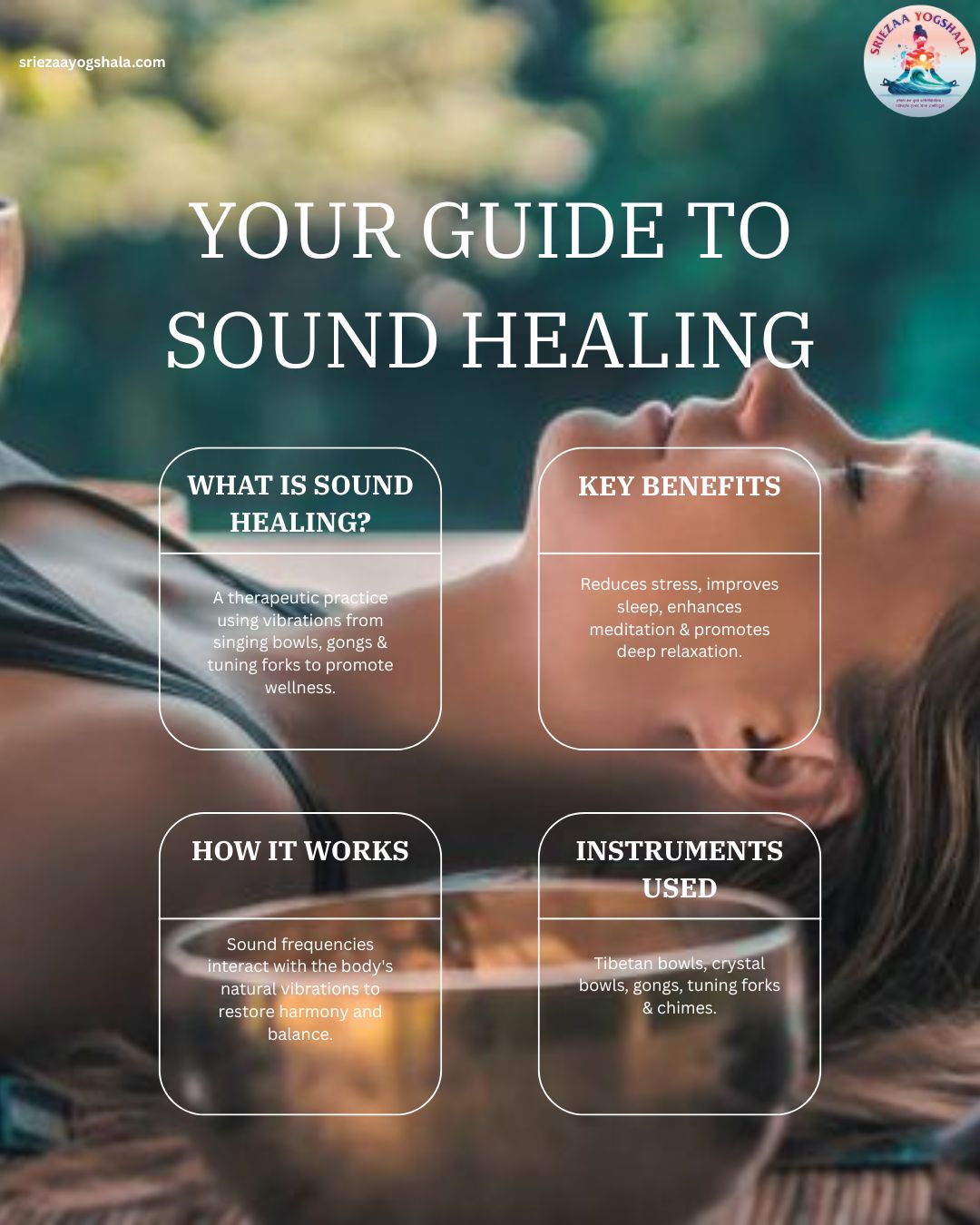
Sound healing is an ancient therapeutic practice that uses vibrations, frequencies, and rhythmic sounds to restore balance in the body and mind. In recent years, it has gained widespread popularity, especially among those seeking natural ways to manage stress and improve overall well-being. One of the most profound effects of sound healing is on the nervous system, which controls how we respond to stress, emotions, and external stimuli. Understanding how sound healing interacts with the nervous system can help explain why practices like sound healing in Rishikesh and enrolling in a sound healing course are becoming increasingly popular worldwide.
Understanding the Nervous System
The nervous system is divided into two main parts: the central nervous system (CNS), which includes the brain and spinal cord, and the peripheral nervous system (PNS), which connects the rest of the body to the CNS. Within the PNS, the autonomic nervous system plays a key role in regulating involuntary functions such as heart rate, breathing, and digestion.
The autonomic nervous system has two branches:
- The sympathetic nervous system (fight-or-flight response)
- The parasympathetic nervous system (rest-and-digest response)
Modern lifestyles often keep us in a constant state of stress, activating the sympathetic system. This imbalance can lead to anxiety, fatigue, poor sleep, and even chronic health issues. Sound healing works by shifting the body out of this stress response and into a state of relaxation.
How Sound Healing Influences Brainwaves
One of the primary ways sound healing affects the nervous system is through brainwave entrainment. The brain naturally produces different types of brainwaves depending on our mental state:
- Beta waves: active thinking and stress
- Alpha waves: relaxed awareness
- Theta waves: deep relaxation and meditation
- Delta waves: deep sleep
Sound healing instruments such as singing bowls, gongs, and tuning forks emit frequencies that encourage the brain to shift from high-frequency beta waves to slower alpha and theta waves. This process promotes deep relaxation and mental clarity.
During a session of sound healing in Rishikesh, participants often report feeling calm, centered, and even entering a meditative state without effort. This shift in brainwave activity directly calms the nervous system and reduces stress levels.
Activation of the Parasympathetic Nervous System
Sound healing helps activate the parasympathetic nervous system, which is responsible for healing and restoration. When this system is engaged:
- Heart rate slows down
- Blood pressure decreases
- Breathing becomes deeper and more regular
- Muscle tension reduces
The soothing vibrations of sound create a safe environment for the body to relax. As a result, the nervous system moves away from the fight-or-flight mode and into a state of rest and repair. This is why many people turn to a sound healing course to learn techniques for managing stress and supporting emotional balance.
The Role of Vibrations in the Body
Everything in the universe, including the human body, operates at a certain frequency. When the body is out of balance due to stress or illness, these frequencies can become disrupted. Sound healing works on the principle of resonance, where healthy vibrations help restore harmony within the body.
When sound waves travel through the body, they stimulate cells, tissues, and organs. This can:
- Improve circulation
- Release blocked energy
- Enhance cellular repair
- Reduce physical pain
The nervous system responds to these vibrations by calming down and improving communication between the brain and body. This creates a sense of overall balance and well-being.
Emotional Release and Nervous System Regulation
Unprocessed emotions such as fear, anger, and grief can become stored in the body, affecting the nervous system over time. Sound healing provides a gentle way to release these emotions without the need for verbal expression.
The frequencies used in sound healing can access deeper parts of the subconscious mind, allowing emotional blockages to surface and dissolve. This process helps regulate the nervous system by reducing emotional overload and promoting inner peace.
Many participants in sound healing in Rishikesh report experiencing emotional clarity and a sense of lightness after sessions. This emotional release is a key factor in improving mental health and nervous system stability.
Reduction of Stress Hormones
Chronic stress leads to the overproduction of cortisol, a hormone that can negatively impact the body when present in high levels. Sound healing has been shown to reduce cortisol levels, thereby lowering stress and anxiety.
As the nervous system relaxes, the body begins to produce more feel-good hormones such as serotonin and dopamine. These hormones enhance mood, improve sleep, and support overall mental health.
Learning these techniques through a sound healing course allows individuals to incorporate sound therapy into their daily routines, making stress management more accessible and effective.
Improved Sleep and Recovery
Sleep is essential for nervous system repair. However, stress and anxiety often disrupt sleep patterns. Sound healing helps quiet the mind and relax the body, making it easier to fall asleep and stay asleep.
By guiding the brain into slower wave states, sound healing encourages deep, restorative sleep. This not only benefits the nervous system but also improves energy levels, focus, and overall health.
Conclusion
Sound healing offers a powerful and natural way to support the nervous system. Through brainwave entrainment, vibration, and emotional release, it helps shift the body from a state of stress to one of deep relaxation and healing. As more people seek holistic approaches to wellness, practices like sound healing in Rishikesh and enrolling in a sound healing course are becoming valuable tools for maintaining balance in a fast-paced world.
By understanding how sound healing affects the nervous system, individuals can make informed choices about incorporating this practice into their lives for long-term physical, emotional, and mental well-being.