Arachnid Aesthetic of Sp5der Clothing: Style, Materials, and Culture
-

- Published Updated
- 1,466 views
Sp5der clothing has emerged as a distinct niche within contemporary streetwear, blending arachnid-inspired graphics, technical fabrics, and silhouette experimentation. The aesthetic combines graphic iconography, utility-focused construction, and an often dark, industrial color palette to create garments that read as both costume and everyday wear.
- Sp5der clothing centers on arachnid motifs, technical materials, and layered silhouettes.
- Design influences include streetwear, techwear, and underground subcultures.
- Authenticity, fabric care, and mindful sourcing matter when collecting or wearing these pieces.
Sp5der clothing: aesthetic, design, and materials
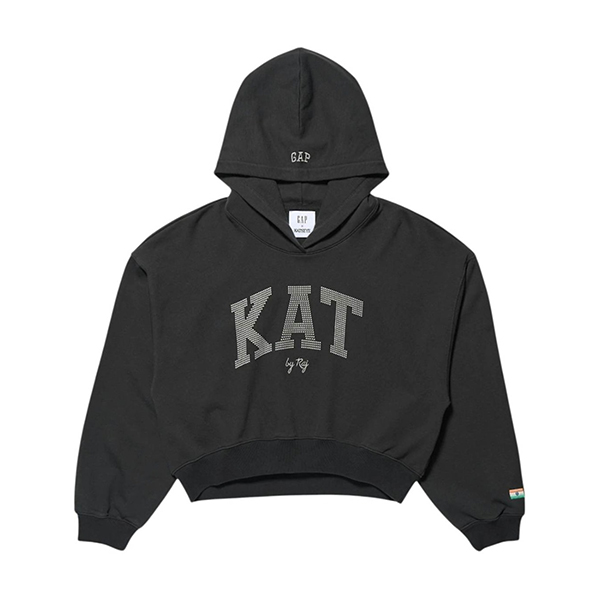
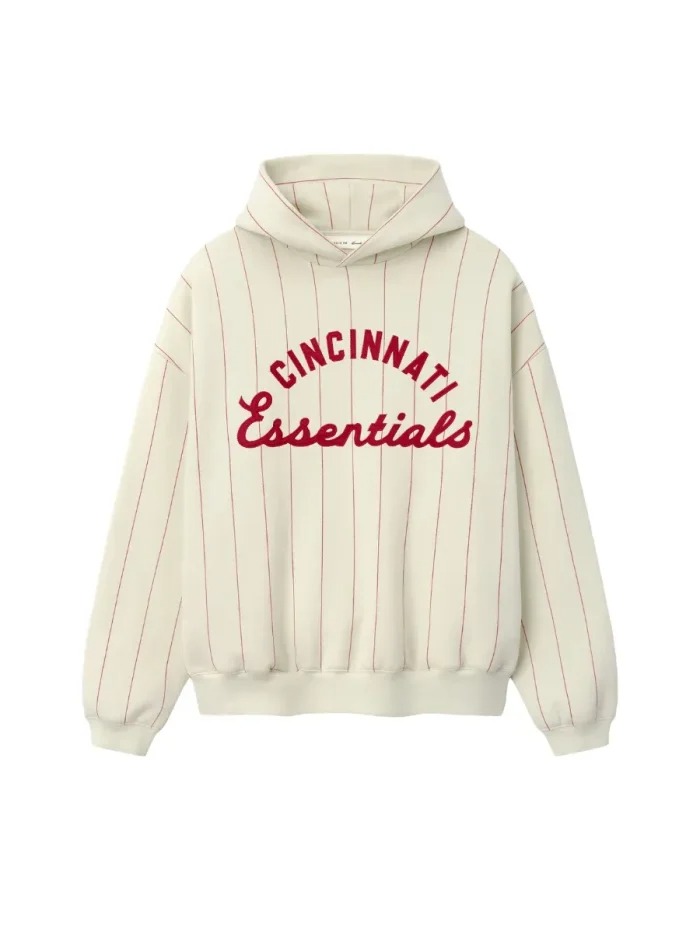
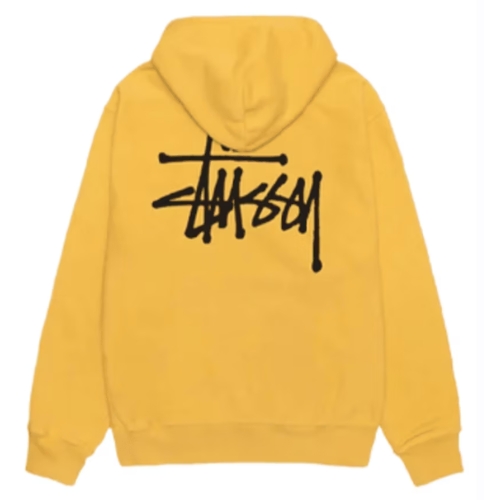
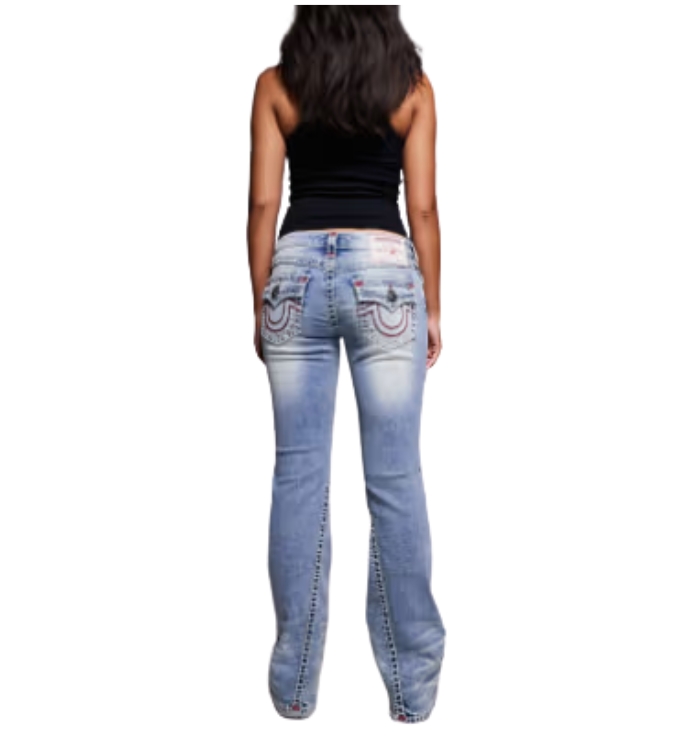
The visual language of Sp5der clothing is recognizable for its use of spider and web motifs, stylized logos, and patterns that mimic anatomical or geometric aspects of arachnids. Common colorways favor black, charcoal, muted olive, and occasional high-contrast accents such as neon or reflective trims. Construction often emphasizes articulated seams, layered panels, and functional details like zippers, snap closures, and modular pockets.
Key design elements
Notable features include oversized hoods, cropped or elongated hems, reinforced elbow and knee panels, and graphic printing that references spider anatomy or web structures. The balance between motif-driven graphics and utilitarian hardware gives pieces a hybrid identity that sits between fashion and performance wear.
Typical materials
Materials frequently used are mid- to high-performance textiles: ripstop nylon, coated canvases, stretch synthetics, and bonded fabrics. These materials are chosen for durability, water resistance, or the ability to hold sharp folds and contours—qualities that support both the aesthetic and functional aspects of the garments.
Origins and cultural context
Influences and subcultures
The Sp5der aesthetic draws from several sources: streetwear's graphic culture, techwear's focus on function, and goth or cyberpunk subcultures' emphasis on dark palettes and dystopian motifs. Online communities, niche retailers, and limited releases have shaped how the aesthetic circulates and gains visibility.
Visual storytelling
Imagery associated with the aesthetic often uses stark lighting, urban backdrops, and editorial photography that emphasizes silhouette and texture. The arachnid theme functions as both a visual hook and a metaphor—suggesting networks, entrapment, or intricate design depending on presentation.
How to style Sp5der clothing
Everyday looks
For everyday wear, pair statement pieces with neutral basics to avoid visual overload. For example, a graphic hoodie or paneled jacket can be balanced with simple tapered trousers and muted footwear. Layering is central: varying lengths and textures create depth while preserving the intended silhouette.
Performance or event styling
When styling for events or photoshoots, combine glossy or reflective accents with matte textures to exploit light and shadow. Accessories such as belts with carabiner-style hardware, utility pouches, and textured gloves complement the theme without defeating its restraint.
Authenticity, care, and buying considerations
Authentication and limited releases
Because many niche fashion pieces circulate through limited releases and third-party marketplaces, verifying provenance is important. Check for consistent labeling, stitching quality, and official channels of sale. Intellectual property and trademark protection are handled by formal bodies; for information on trademarks and brand protection, see WIPO.
Care and maintenance
Follow garment care labels closely: technical fabrics may require gentle cleaning, air drying, and avoidance of high heat to preserve coatings and bonded seams. Repairing seams and replacing hardware can extend a piece’s life and protect resale value.
Sustainability and ethical considerations
Material sourcing
Some designers working within this aesthetic are exploring recycled synthetics, lower-impact coatings, and traceable supply chains. Research on materials—such as certifications and factory disclosures—helps identify pieces aligned with sustainability goals.
Resale and longevity
Given the collectible nature of limited releases, many collectors prioritize longevity. Quality construction and repairability are practical sustainability measures that also preserve a garment’s cultural value.
Collecting and community
Online communities and trends
Forums, social platforms, and niche blogs document releases, styling trends, and aftermarket values. These communities can be sources of both information and peer validation, but factual verification remains essential when assessing provenance.
Events and collaborations
Collaborations between designers, artists, and small manufacturers often shape the aesthetic's evolution. Pop-up events, curated drops, and collaborative capsules introduce new interpretations and expand the visual vocabulary.
FAQ
What is Sp5der clothing known for?
Sp5der clothing is known for arachnid-inspired graphics, technical materials, layered silhouettes, and utilitarian details that blend streetwear and techwear influences.
How can authenticity of a Sp5der piece be verified?
Verify authenticity by checking official sale channels, consistent labeling and construction details, and any accompanying documentation. Research trademarks and brand statements when necessary.
Are materials used in this aesthetic durable and easy to care for?
Many garments use durable synthetics and coated fabrics that provide water resistance and structure, but care often requires attention to labels—machine washing may be unsuitable for coated or bonded pieces.
Is this style suitable for daily wear?
Yes—many designs are adapted for daily use, though some statement pieces are better suited to events or curated outfits. Prioritize comfort and movement when selecting pieces for regular wear.