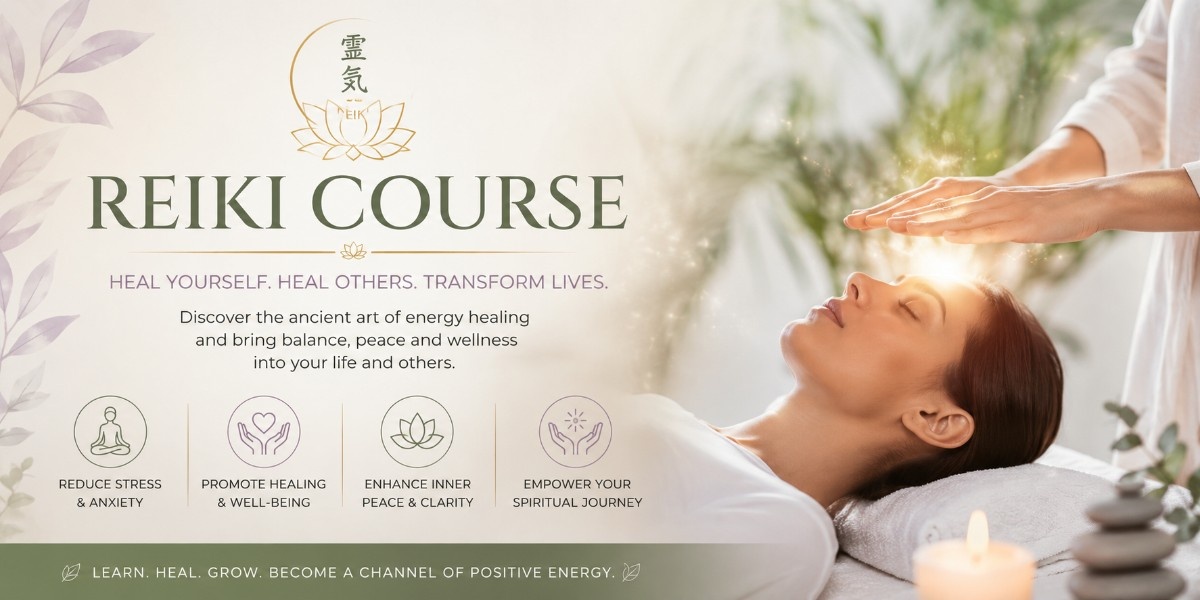
Practical Guide to Spiritual Readings and Energy Healing for Inner Peace
-

- March 12th, 2026
- 795 views
Detected intent: Informational
Spiritual readings and energy healing are complementary approaches many people use to reduce emotional pain, clarify personal patterns, and support long-term change. This article explains what these practices are, how energy love healing techniques fit within a practical self-care plan, and how to evaluate safety and effectiveness.
What this guide covers: concise definitions; the EASE framework (Energy, Awareness, Safety, Integration) checklist; a short real-world example; 3–5 practical tips to try; common mistakes and trade-offs; five core cluster questions for further reading; and a final FAQ that includes the primary keyword.
spiritual readings and energy healing: what they are and how they work
Spiritual readings and energy healing can include intuitive readings (insight into patterns or relationships), energy clearing (addressing the body's subtle fields such as aura or chakras), and focused practices often called energy love healing techniques aimed at repairing relational or self-directed wounds. Many people seek these services for stress reduction, clarity, and emotional transformation rather than as a substitute for medical or mental-health care.
EASE framework: a checklist for safe, effective energy love healing
A named framework makes decisions easier. The EASE framework is designed for choosing, preparing for, and integrating spiritual readings and energy healing sessions.
- Energy — Confirm what kind of energy work is offered (e.g., chakra balancing, biofield therapy, reiki-style techniques, or guided visualization).
- Awareness — Ask about the practitioner's approach, training, and how they assess client needs and boundaries.
- Safety — Check for clear consent processes, policies on confidentiality, and guidance to continue conventional care when needed.
- Integration — Plan post-session steps: journaling prompts, grounding exercises, or follow-up sessions to integrate insights safely.
Use this EASE checklist before booking a session and again after the first meeting to evaluate fit.
Short real-world example
Scenario: After a breakup, a person chooses a two-session package labeled as energy love healing techniques. The practitioner uses an initial spiritual reading to identify patterns (fear of abandonment). In the second session, the practitioner guides a safe energy-clearing visualization, then assigns a daily 5-minute grounding and journaling prompt to support integration. The client reports reduced reactivity over six weeks and maintains regular mindfulness practice alongside therapy.
Practical tips to get the most from sessions
- Define intent before a session: a clear question (e.g., "How can self-compassion be strengthened?") gives readings and energy work a focus.
- Prioritize safety: choose practitioners who explain methods, limits, and when to refer to licensed mental-health or medical professionals.
- Use short integration practices: simple grounding (5 deep breaths), journaling, or movement immediately after a session improves retention of insights.
- Keep expectations realistic: these practices often support emotional processing and clarity rather than providing instant cures.
Common mistakes and trade-offs when choosing spiritual readings and energy healing
Trade-offs: accessibility and personal resonance versus scientific evidence. Energy and spiritual modalities can be low-cost, personalized, and empowering, but they vary widely in standards and measurable outcomes.
Common mistakes
- Expecting a single session to solve deep trauma—these are often adjunctive tools best used with therapy or medical care when indicated.
- Skipping due diligence—failing to ask about practitioner experience, boundaries, or basic safety practices.
- Over-relying on terminology—labels like "energy love healing" or "biofield clearing" describe philosophies more than standardized techniques; always request a clear explanation.
Core cluster questions
- How does energy healing differ from talk therapy?
- What should be asked before a spiritual reading session?
- How can energy work be safely integrated with clinical mental-health care?
- What evidence exists for biofield or energy therapies and where to find reliable summaries?
- Which grounding and integration exercises work best after an energy healing session?
For a reliable overview of research into complementary and integrative health approaches, including biofield therapies, see the National Center for Complementary and Integrative Health: NCCIH.
How to choose a practitioner and what to ask
Look for clarity about methods, transparency about boundaries and fees, and someone who encourages continuing conventional care when necessary. Useful questions include: "What is your training?" "Can you describe a typical session?" "How do you handle strong emotional reactions?" These help gauge fit and safety.
Integration plan and timeline
Integration matters. A simple 4-step checklist helps: (1) Record insights immediately after a session; (2) Practice a 5-minute grounding exercise daily for a week; (3) Revisit intentions after two weeks; (4) Reassess with the practitioner or another qualified professional if emotional distress persists.
Further considerations: scope, ethics, and when to get medical help
Energy work should not replace emergency care or evidence-based treatment for serious mental-health conditions. If suicidal thoughts, severe dissociation, or uncontrolled medical symptoms are present, seek licensed medical or mental-health services immediately. Integration with a licensed therapist can be a pragmatic, ethical choice when working on trauma or relationship healing.
Frequently asked questions
What is the difference between spiritual readings and energy healing?
Spiritual readings typically focus on information and insight (patterns, relationships, potential next steps), while energy healing is oriented toward shifting sensations or subtle disturbances in the body's energy field through hands-on or hands-off modalities, guided imagery, or intention-based exercises.
How can spiritual readings and energy healing support long-term change?
These practices can increase self-awareness, provide reframes for recurring patterns, and offer short rituals or exercises that support behavior change when combined with consistent integration work.
Are spiritual readings and energy healing safe to combine with therapy and medication?
Generally yes, when practitioners respect boundaries and encourage ongoing medical or mental-health care. Always inform primary healthcare providers about complementary practices to avoid conflicts with treatment plans.
Is there scientific evidence for energy love healing techniques?
Evidence varies by modality and outcome measure. Some small studies explore biofield and energy therapies, often with mixed results; more rigorous trials are needed. For balanced information on research and safety, consult authoritative resources such as the National Center for Complementary and Integrative Health (NCCIH).
How to prepare for a session of spiritual readings and energy healing?
Practical preparation: set a clear intention, limit stimulants before the session, have water and a notebook ready, and schedule quiet time afterward for grounding. Use the EASE checklist to confirm the practitioner's approach and safety practices.
Core related terms and synonyms used in this guide: chakra balancing, aura clearing, biofield therapy, intuitive reading, guided visualization, grounding exercises, integration practices, consent, and boundaries.