Guide to Sri Ramraksha Stotra Puja and Yagna: Rituals, Meaning, and Preparation
-
- February 23rd, 2026
- 1,666 views
Sri Ramraksha Stotra Puja and Yagna is a traditional Hindu ritual centered on the recitation of the Ramraksha Stotra, a Sanskrit hymn invoking Lord Rama for protection and spiritual focus. The practice combines mantra recitation, ceremonial worship, and a fire offering in different formats to create a structured devotional observance.
This article explains the origins and structure of the Ramraksha Stotra, outlines typical puja and yagna procedures, lists common materials and mantras, highlights suitable occasions, and answers frequently asked questions for those considering this ritual for spiritual observance.
Sri Ramraksha Stotra Puja and Yagna: Overview
What the ritual involves
The Ramraksha Stotra is a Sanskrit stotra attributed in tradition to sage Budha Kaushika and popularized in modern devotional practice. A puja based on this stotra typically includes sankalpa (intention), dhyana (meditative invocation), recitation of the verses, offering of flowers and lamps, and optional arati. When performed as a yagna or homa, the ritual adds a fire offering in which clarified butter, ghee, herbs, and samagri are offered into a consecrated fire while specific mantras are chanted.
History and textual context
Origins and authorship
The Ramraksha Stotra is part of a long tradition of devotional stotras in Sanskrit linked to the wider Rama-centered devotion found in the Ramayana and later Puranic literature. While exact historical dating is debated among scholars, the stotra is used widely in North and Central India. Research into Sanskrit devotional literature can be found through university departments of Indology and Sanskrit studies, and national cultural bodies such as the Archaeological Survey of India and the Ministry of Culture document related manuscript traditions.
Structure and key elements of the Stotra
Language and composition
The Ramraksha Stotra is composed in classical Sanskrit and contains a series of invocatory verses that describe symbolic protective aspects associated with Rama. The verses are often preceded by a dhyana shloka describing the deity and followed by specific names or bija-mantras for focused recitation.
Purpose, intentions, and cultural contexts
Devotional and ritual aims
Pujas and yagnas centered on the Ramraksha Stotra are performed for a variety of devotional reasons: to express reverence, to mark religious observances such as Rama Navami, to sanctify a new home or beginning, or as part of a community temple program. Rituals function within cultural, spiritual, and social frameworks and are shaped by regional and sectarian practices.
Preparing for a Puja or Yagna
Materials and setup
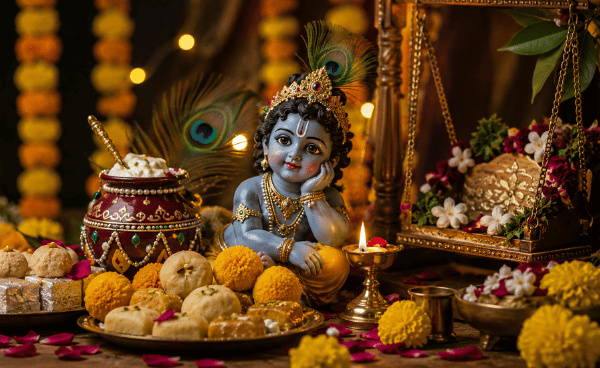
Common materials include a clean altar, image or murti of Rama, incense, lamp, flowers, sandalwood paste, kumkum, akshata (rice), ghee, and samagri for the fire. For a yagna, a small havan kund, spoon (arpana), and bell are needed. A qualified officiant or priest trained in mantra pronunciation can conduct or guide the ritual. Observance of cleanliness, proper dress, and setting a clear sankalpa are standard preparatory steps.
Typical sequence: Puja and Yagna steps
Example flow
1. Purification: washing hands and feet, ceremonially cleaning the altar area. 2. Sankalpa: announcing the intention and desired time limits. 3. Dhyana and invocation: meditative visualization of Rama. 4. Recitation: chanting the Ramraksha Stotra, often with japa or group singing. 5. Offerings: lamps, flowers, and naivedya (food offering). 6. Homa (for yagna): offering ghee and samagri into the fire with accompanying mantras. 7. Arati and completion: concluding prayers and distribution of prasad.
Timing, variations, and community practice
When it is performed
The ritual can be practiced individually at home, in family gatherings, or as a public temple event. It is commonly included in observances for Rama Navami, foundation ceremonies, or special protective rites. Regional variations exist in the number of recitations, accompanying bhajans, and the exact homa formula.
Sources and further reading
For scholarly information on Sanskrit stotras and ritual practice, consult academic publications from university departments of Indology and Sanskrit, and publications from national cultural institutions. Official cultural resources are available from government bodies such as the Ministry of Culture, Government of India https://www.indiaculture.nic.in.
Practical considerations and etiquette
Conduct and permissions
Respect for local temple rules, consent when using public spaces, and sensitivity to community norms are important. When inviting a priest or group participants, clear communication about expectations and any donations or fees should be arranged beforehand.
Concluding notes
Sri Ramraksha Stotra Puja and Yagna are devotional practices rooted in Sanskrit stotra tradition and Vedic fire ritual forms. Observance varies widely by community and intention, and those wishing to perform the ritual are encouraged to consult knowledgeable practitioners or academic resources for accurate pronunciation, ritual sequence, and cultural context.
FAQ
What is Sri Ramraksha Stotra Puja and Yagna?
This is a combined devotional practice involving recitation of the Ramraksha Stotra along with puja rites and, when performed as a yagna, a fire offering conducted with prescribed mantras and ritual acts.
Who should perform the Ramraksha Stotra ritual?
Individuals of any background with interest in the devotional practice can participate. Guidance from a trained priest or an experienced practitioner is recommended for public homa ceremonies to ensure correct procedures and safety in handling fire offerings.
Are there specific mantras or shlokas used in the ceremony?
Yes. The core is the Ramraksha Stotra itself, often supplemented by opening and closing prayers, dhyana shlokas, and traditional homa mantras. Texts and transliterations are available through printed and academic sources for study.
Can the ritual be adapted for family or community events?
Rituals are commonly adapted to meet household or community needs. Modifications in scale, number of recitations, and additional devotional music are typical while maintaining the essential sequence of invocation, recitation, offerings, and completion.