SSC MTS Preparation: A Complete Roadmap for Aspirants
-

- Published Updated
- 131 views
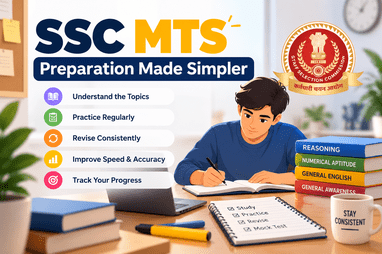
Preparing for a competitive examination can feel overwhelming when there are several subjects, topics, and resources to manage. A structured approach can make the process much easier. For candidates preparing for SSC MTS, one of the first things to do is understand the SSC MTS Syllabus and use it as the foundation for a practical study plan. You can check ifasonline.com for more information about the syllabus.
Why the Syllabus Should Be the Starting Point
Many students begin preparation by collecting study materials or attempting mock tests immediately. While these can be useful, knowing the syllabus first provides direction. It allows candidates to understand the areas they need to cover and divide their preparation into manageable sections.
Instead of looking at the entire examination as one large task, break the syllabus into smaller weekly and daily targets. Completing these smaller targets can make preparation easier to monitor and can also provide a sense of progress.
Create a Realistic Study Schedule
A good timetable should be practical rather than overly ambitious. Assign specific periods of the day to different activities, including learning new concepts, solving questions, revising previously studied topics, and taking practice tests.
For example, a study session can begin with learning a new concept, followed by a set of practice questions. The final part of the session can be used to review mistakes and make short revision notes.
The goal is to create a routine that can be followed consistently. A simple schedule maintained for several weeks is often easier to manage than an intensive plan that becomes difficult to continue.
Make Question Practice a Daily Habit
Reading concepts alone is not enough for competitive-exam preparation. Regular question practice helps candidates become familiar with different question formats and identify areas where they need more work.
After completing a practice set, don't focus only on the number of correct answers. Spend time understanding why questions were answered incorrectly. Maintain a small mistake log containing concepts, calculation errors, or question types that repeatedly cause difficulty.
Revisiting this log during revision can help make study sessions more focused.
Give Revision the Right Importance
Revision should be part of the preparation process from the beginning rather than something reserved for the final days.
A simple cycle can be followed:
Learn → Practice → Analyse → Revise
After learning a topic, practice questions related to it. Analyse the mistakes and then revisit the concept after some time. This repeated process can make it easier to retain information throughout the preparation period.
Short revision sessions can also be used to review formulas, important facts, vocabulary, and previously difficult concepts.
Improve Speed and Accuracy
Time management becomes important when solving questions in an examination environment. Candidates should gradually introduce timed practice into their preparation.
Start with accuracy. Once you become comfortable with a particular topic, try solving similar questions within a fixed time. This approach can help develop both confidence and speed without sacrificing correctness.
Mock tests can also be incorporated into the routine. After each mock test, analyse the result instead of immediately moving on to another test. Look for patterns in mistakes and identify sections where additional preparation is required.
Avoid an Unorganized Preparation Strategy
One common problem during competitive-exam preparation is constantly switching between different resources. Collecting more books, videos, notes, and question banks does not necessarily improve preparation.
Choose reliable study resources and use the syllabus as a checklist. If a topic is already understood, move forward instead of repeatedly studying the same material. If a topic remains difficult, give it additional practice and revision time.
Keeping preparation organized can save time and reduce unnecessary confusion.
Track Your Progress
Progress tracking can be as simple as maintaining a checklist of completed topics. Mark topics as completed only after you have studied them, practiced questions, and revised the important concepts.
You can also track mock-test scores, accuracy, time taken, and recurring mistakes. Reviewing these records every week can help you adjust your study plan according to your actual performance.
Final Thoughts
SSC MTS preparation becomes much more manageable when it is approached systematically. Start by understanding the syllabus, divide the topics into achievable targets, practice questions regularly, revise consistently, and use mock tests to evaluate progress.
There is no need to rush through the entire preparation process. Consistency, regular practice, and continuous improvement can help candidates build a stronger and more organized study routine.
The most important step is simply to start with a clear plan and keep moving forward, one topic at a time.