STRAIT OF HORMUZ CRISIS: IRAN SETS CONDITIONS AS THE WORLD WATCHES THE MIDDLE EAST
-

- Published Updated
- 3,656 views
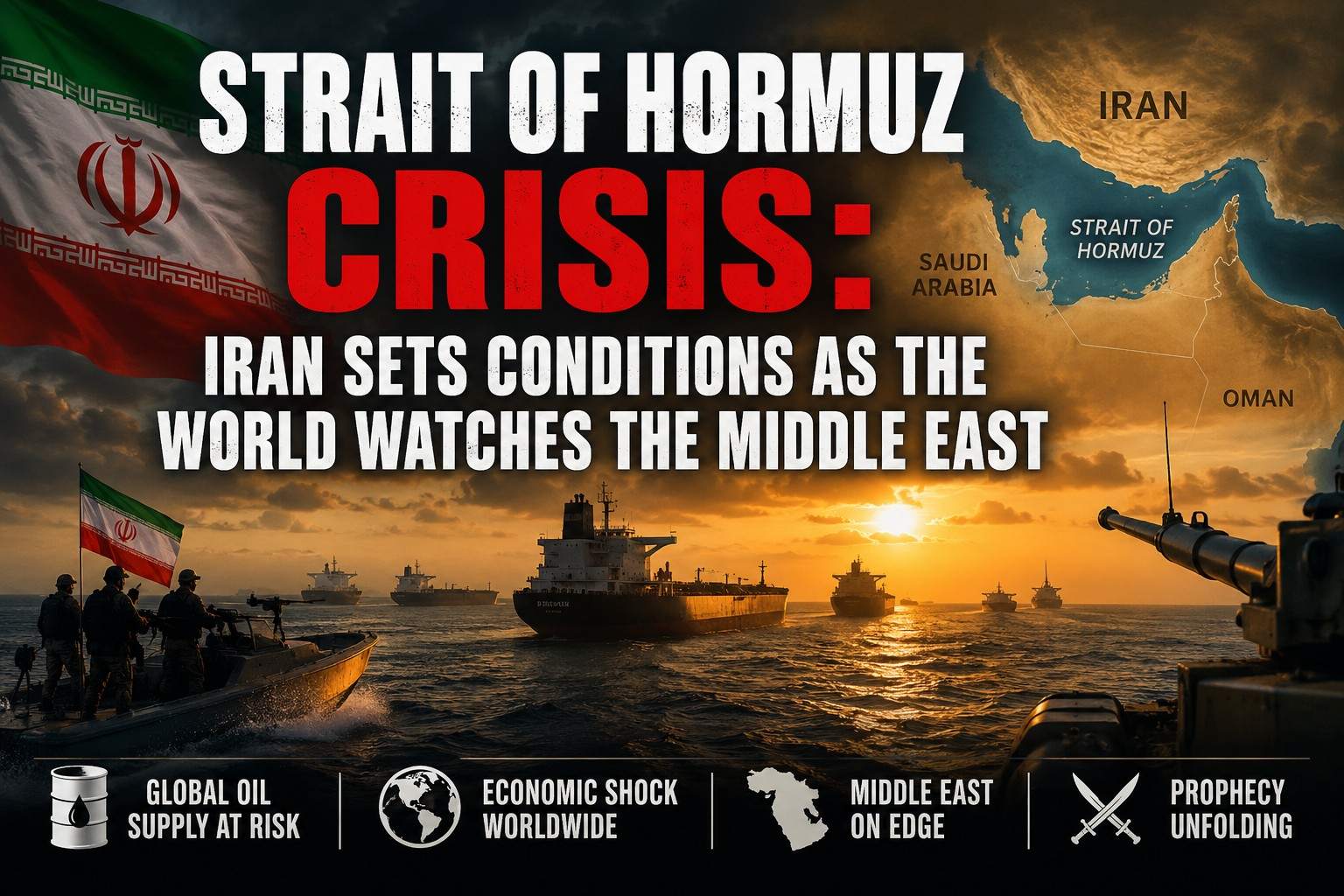
The Strait of Hormuz is once again at the center of international attention.
Iran is now preparing conditions for reopening the strategically vital waterway, while diplomatic efforts involving Oman and other mediators continue. At the same time, shipping traffic through the strait remains far below normal levels, showing that the crisis is far from completely resolved.
This may sound like a distant geopolitical issue, but what happens around the Strait of Hormuz can affect the entire world.
The narrow waterway between Iran and Oman is one of the most important energy corridors on earth. A huge proportion of global oil and LNG shipments normally passes through it. Any prolonged disruption can therefore affect energy prices, transportation, inflation, industries and ordinary households far beyond the Middle East. Reuters recently reported that more than 43% of global oil production is located in countries affected by conflict in 2026, while more than 10% of global refining capacity is offline.
Iran's Conditions
The latest development is not simply that Iran has announced an unconditional reopening.
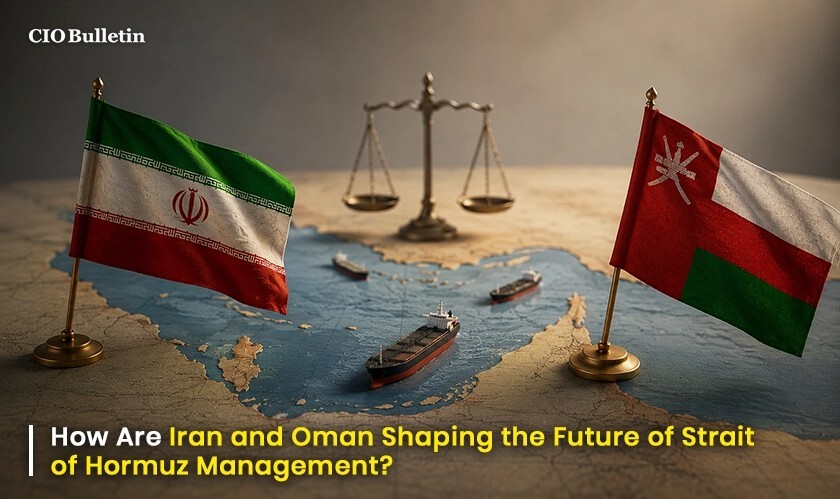
Iranian officials say Tehran is preparing conditions that must be addressed before the waterway can return to normal operation. Meanwhile, Iran and Oman have been discussing arrangements for shipping through the strait, with international mediators attempting to move the situation toward a broader resolution.
That makes the Strait of Hormuz more than an economic story.
It has become a major strategic pressure point in the continuing conflict involving Iran, the United States and other regional powers.
Even though there are signs of diplomatic movement, shipping remains substantially below normal. Reuters reported that only 10 visible commodity-vessel transits were recorded on Wednesday, compared with a 10-day moving average of approximately 15.
The world is therefore watching carefully.
Will diplomacy succeed? Will the waterway return to normal? Or could another escalation once again threaten one of the world's most important commercial routes?
Only time will tell.
But There Is a Greater Question
For Christians who study Bible prophecy, developments such as these deserve careful attention.
The Bible repeatedly describes a future period of unprecedented global turmoil. The Lord Jesus Christ warned that before His return there would be wars and rumours of wars, nation rising against nation, famines, pestilences and earthquakes in diverse places (Matthew 24:6–7).
These words should not be treated as merely historical observations.
They point toward a world moving toward an extraordinary period of judgment and upheaval.
The Bible describes this coming period as the seven-year Tribulation. Daniel 9:27 speaks of the final prophetic "week," while the book of Revelation describes judgments that will affect the earth, nations, economies and humanity on an unprecedented scale.
This also demonstrates how rapidly a regional conflict can acquire global consequences.
A single strategic waterway can become a source of international economic pressure.
A conflict involving a handful of nations can affect energy markets across the world.
And a geopolitical crisis in the Middle East can suddenly draw the attention of virtually every major power.
That is the kind of interconnected world in which the prophetic events described in Scripture can unfold with extraordinary speed.
The Tribulation Will Be Far Worse
The Bible's description of the coming Tribulation is far more terrifying than anything humanity has experienced in ordinary geopolitical crises.
Revelation describes wars, famine, death, worldwide upheaval and divine judgments. The Lord Jesus Christ Himself described the coming period as a time of "great tribulation, such as was not since the beginning of the world to this time, no, nor ever shall be" (Matthew 24:21).
That is why this world should not merely watch these developments with curiosity.
We should take the warning of Scripture seriously.
The ultimate question is not whether the Strait of Hormuz will reopen.
The ultimate question is whether you are ready to meet the Lord Jesus Christ.
The Rapture Comes Before the Tribulation
According to the pre-Tribulation understanding of Bible prophecy, the Church will be caught away to be with the Lord Jesus Christ before the seven-year Tribulation begins.
The apostle Paul wrote:
"For the Lord himself shall descend from heaven with a shout... and the
dead in Christ shall rise first: Then we which are alive and remain shall be
caught up together with them in the clouds, to meet the Lord in the air."
— 1 Thessalonians 4:16–17 (KJV)
This is the blessed hope of every genuine believer in the Lord Jesus Christ.
The Church is not waiting for the Antichrist.
The Church is waiting for the Lord Jesus Christ.
And that makes salvation an urgent matter.
Do Not Wait Until the Tribulation
The most important message is therefore not about Iran, oil, ships or geopolitics.
It is about salvation.
Today, genuine believers in the Lord Jesus Christ have the wonderful promise of eternal life. But those who reject Him should not assume that they will have unlimited opportunities to repent later.
The Tribulation will be a horrifying period of judgment and persecution. Revelation 13 describes a coming system in which allegiance to the beast will have enormous consequences, while Revelation 20:4 speaks of those who are killed for their testimony of the Lord Jesus Christ.
For many who turn to Christ during that terrible period, faithfulness may ultimately cost them their lives.
Why wait for that?
Why deliberately enter a period of unprecedented suffering when salvation is being freely offered today?
The Bible says:
"Behold, now is the accepted time; behold, now is the day of
salvation."
— 2 Corinthians 6:2 (KJV)
Salvation is not obtained by becoming a better person, joining a church, performing religious rituals or simply believing that God exists.
We are saved by God's grace through faith in the Lord Jesus Christ.
He died for our sins, was buried, and rose again.
The invitation is before us today.
The world may continue to experience wars, economic instability, disasters and geopolitical crises. The Strait of Hormuz may reopen tomorrow, or another crisis may replace it.
But the prophetic clock is ultimately in God's hands.
The question every person should ask is simple:
If the Lord Jesus Christ came for His Church today, would I be ready?
Do not wait for the seven-year Tribulation.
Believe in the Lord Jesus Christ today and receive the gift of salvation.
To read more about current events in the light of Bible prophecy and the Good News of Salvation, please search on Google: Bible Prophecy in Action Blogspot.