Why Stub Ends Matter in Lap Joint Flanges: Design, Uses, and Standards
-

- Published Updated
- 1,508 views
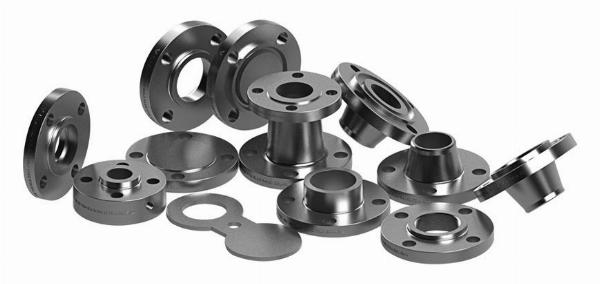
Stub ends in lap joint flanges are short, finished pipe fittings used with lap joint flanges to create a removable, corrosion-resistant joint where the stub end contacts the process fluid. In systems that require periodic disassembly, material separation between the flange and the transported fluid, or easier alignment during assembly, stub ends serve a specific mechanical and service function.
- Stub ends pair with lap joint flanges to isolate the flange from the process fluid and allow rotation for alignment.
- Common materials include stainless steels, nickel alloys, and carbon steels with suitable corrosion resistance.
- Selection depends on pressure class, temperature, fluid chemistry, and maintenance needs; standards such as ASME and ASTM guide dimensions and materials.
- Advantages include cost savings on flanges and ease of maintenance; limitations include a possible additional crevice corrosion risk and need for proper welding.
Stub ends in lap joint flanges: purpose and basic design
The combination of a stub end and a lap joint flange separates the load-bearing and sealing functions of a piping joint. The stub end provides the internal sealing surface and is weld-fitted to the pipe. The lap joint flange slips over the pipe and rotates freely around the stub end, allowing the flange bolt holes to align during assembly. This design is widely used when dissimilar materials require isolation, or when frequent disassembly is anticipated.
How a stub end and lap joint flange work together
Mechanical arrangement
The stub end is a short piece of pipe with an end prepared to match a mating flange face (e.g., raised face or flat face). The lap joint flange is a loose-fit flange with a recessed bore to accept the stub end. After the stub end is welded to the pipe, the lap joint flange is slipped over the pipe and positioned against the stub end. A gasket and mating flange complete the joint so that the fluid contacts the stub end and gasket but not the lap joint flange.
Benefits of the arrangement
Key benefits include simplified alignment during assembly, reduced inventory expense because one flange type can serve multiple materials or grades, and isolation of the flange from corrosive or high-value process fluids. In systems that use expensive corrosion-resistant alloys for wetted surfaces, stub ends allow the use of lower-cost lap joint flanges for the bolted connection.
Material selection and standards
Common materials and considerations
Material choice for stub ends is based on fluid chemistry, temperature, and pressure. Stainless steels (e.g., 304, 316), duplex alloys, nickel alloys, and carbon steels with appropriate linings or coatings are commonly used. Careful selection minimizes risks such as galvanic corrosion where dissimilar metals are present.
Relevant standards and codes
Design dimensions and testing are governed by industry standards and codes. Manufacturers and specifiers commonly follow ASME, ASTM, and ISO standards for dimensions and material properties. For example, ASME B16.9 covers factory-made wrought buttwelding fittings and related guidance can inform the fabrication of stub ends. Consulting standards and qualified engineering guidance ensures safe pressure-containing design.
For general reference on codes and engineering standards, see the ASME website: ASME.
Installation, welding, and inspection
Welding methods
Stub ends are typically joined to pipe with butt welds. Proper welding technique—preheat, welding procedure specification (WPS), and post-weld heat treatment when required—helps maintain material properties and prevent weld defects. Welding quality should comply with applicable codes and the project’s welding procedures.
Inspection and testing
Visual inspection, dimensional checks, and non-destructive testing (NDT) methods such as radiography or ultrasonic testing are commonly applied to ensure joint integrity. Pressure testing of the completed piping system verifies leak-tightness; follow code-mandated test pressures and procedures.
Advantages, limitations, and common applications
Advantages
- Allows use of lower-cost lap joint flanges while providing corrosion-resistant wetted surfaces.
- Permits flange rotation for easy bolt alignment during assembly and disassembly.
- Facilitates replacement of the stub end without replacing the flange in some configurations.
Limitations and failure modes
- Crevice corrosion can occur at the interface between the stub end and lap joint flange if corrosive fluids and stagnant conditions are present.
- Additional welding and parts increase labor and part-count compared with one-piece flanges in some systems.
- Improper welding or mismatch of material properties can lead to stress concentration or premature deterioration.
Typical applications
Common uses include chemical processing, marine and offshore piping, cryogenic systems, and any application where the internal wetted material must be different from the external flange material for corrosion resistance or cost reasons.
Maintenance and lifecycle considerations
Routine checks
Periodic inspection of flanged joints, gaskets, and stub end welds helps detect early signs of corrosion, leakage, or bolt deterioration. Lubrication of fasteners to prevent galling and maintaining gasket compatibility with the process fluid are routine practices.
Replacement and repair
When a stub end requires replacement due to wear or corrosion, the lap joint flange may remain usable if it is not degraded. Proper cutting, removal of the old stub end, and re-welding a new piece should follow approved welding procedures and post-repair testing.
Documentation and traceability
Keeping material certificates, welding records, inspection reports, and traceability documentation supports safe long-term operation and compliance with regulatory or project requirements.
FAQ
What are stub ends in lap joint flanges?
Stub ends are short fittings welded to the pipe to create the wetted sealing surface when paired with a lap joint flange. The lap joint flange slips over the pipe and can rotate for alignment, while the stub end handles contact with the process fluid.
When should a stub end be used instead of a one-piece flange?
Use stub ends when material isolation, easier alignment, or cost-effective use of expensive corrosion-resistant alloys is needed. They are helpful in systems that require frequent disassembly or when different materials are required for wetted and external surfaces.
How are stub ends inspected and tested during installation?
Inspection typically includes visual checks, dimensional verification, and NDT methods such as radiography or ultrasonic testing for welds. Pressure testing of the piping system confirms leak-tightness following applicable codes and project procedures.
Can stub ends cause crevice corrosion?
Yes. The interface between a stub end and lap joint flange can create a crevice that, under certain chemistries and stagnant conditions, may promote localized corrosion. Material selection, proper drainage, and maintenance can mitigate this risk.
Are there standard dimensions for stub ends and lap joint flanges?
Standard dimensions are provided by industry codes and standards such as ASME and ASTM. Specifiers should consult the applicable standard for the correct pressure class and size definitions and follow project engineering requirements.