Buying Student Loan Leads? 7 Things You Must Check Before Spending a Dollar
-

- Published Updated
- 3,544 views

Buying leads can give loan professionals, debt relief companies, and student loan specialists a faster way to connect with potential customers. But there is a major difference between buying a list of names and investing in student loan leads that have genuine intent.
A lead may look valuable on paper, yet still fail to produce a conversation if the prospect is unreachable, poorly qualified, already working with another company, or unaware that their information was submitted. That is why lead quality should matter more than lead volume.
With millions of Americans carrying federal student debt and borrowers navigating increasingly complex repayment choices, the opportunity is significant. Federal Student Aid reported approximately 7.7 million recipients in default as of December 2025, while the federal student loan portfolio exceeded $1.6 trillion.
If you are considering purchasing student loan leads, here are seven things to check before spending your budget.
1. Check Where the Leads Come From
The first question to ask a lead provider is simple: How are these leads generated?
Not every lead source follows the same process. Leads can come from search advertising, landing pages, email campaigns, affiliate traffic, direct mail, social campaigns, or other acquisition channels. The source can have a significant effect on the prospect's intent and expectations.
High-quality lead generation starts by reaching people who are actively looking for information or assistance related to their student debt.
For example, someone who voluntarily requests information about repayment or consolidation is potentially more valuable than a contact collected from a broad database.
Before buying, ask:
- What marketing channels generate the leads?
- Are prospects actively requesting information?
- What information is collected during the inquiry?
- Is the source transparent?
- How recently did the prospect submit the request?
A clear answer to these questions can help you distinguish genuine inquiries from recycled data.
2. Understand Exactly What “Qualified” Means
The word qualified is used frequently in the lead industry, but it does not always mean the same thing.
For one buyer, a qualified prospect may simply have student debt. Another company may require employment, verifiable income, a minimum debt amount, specific loan types, or a demonstrated interest in consolidation.
This distinction matters.
For example, student loan consolidation leads may be more useful to a business when the prospect has multiple loans and is actively exploring ways to manage repayment. Federal Student Aid notes that consolidation can have advantages and disadvantages depending on loan types, repayment history, and other circumstances.
Before purchasing, define your ideal customer profile.
Consider factors such as:
- Total student loan debt
- Federal or private loans
- Employment status
- Income
- State
- Credit profile, where relevant
- Current repayment status
- Interest in consolidation or refinancing
- Whether the prospect has already contacted another provider
The more closely the lead matches your actual service criteria, the less money your team may waste pursuing poor-fit prospects.
3. Ask Whether the Leads Are Exclusive
One of the biggest issues with purchased leads is competition.
Imagine receiving a promising student loan inquiry, calling within minutes, and discovering that several other companies have already contacted the same person. Even if the prospect initially had strong intent, repeated calls can quickly reduce engagement.
That is why exclusivity deserves serious attention.
Exclusive leads are delivered to one buyer rather than being distributed among multiple competing businesses. Lead Balance, for example, states that its student loan consolidation lead process matches pre-qualified prospects directly to a single lender and offers exclusive delivery.
Before buying, ask:
“How many companies receive the same lead?”
Do not assume that a higher lead volume automatically means better results. Sometimes fewer, better-matched opportunities can produce a stronger return than a large quantity of shared contacts.
4. Look at the Verification Process
A lead should not simply be collected. It should be evaluated.
Verification helps determine whether the information provided by a prospect is usable and whether the inquiry meets your campaign requirements.
For student loan debt leads, useful qualification information can include the person's approximate debt amount, employment situation, loan type, payment status, and reason for seeking assistance.
A strong process can include multiple stages:
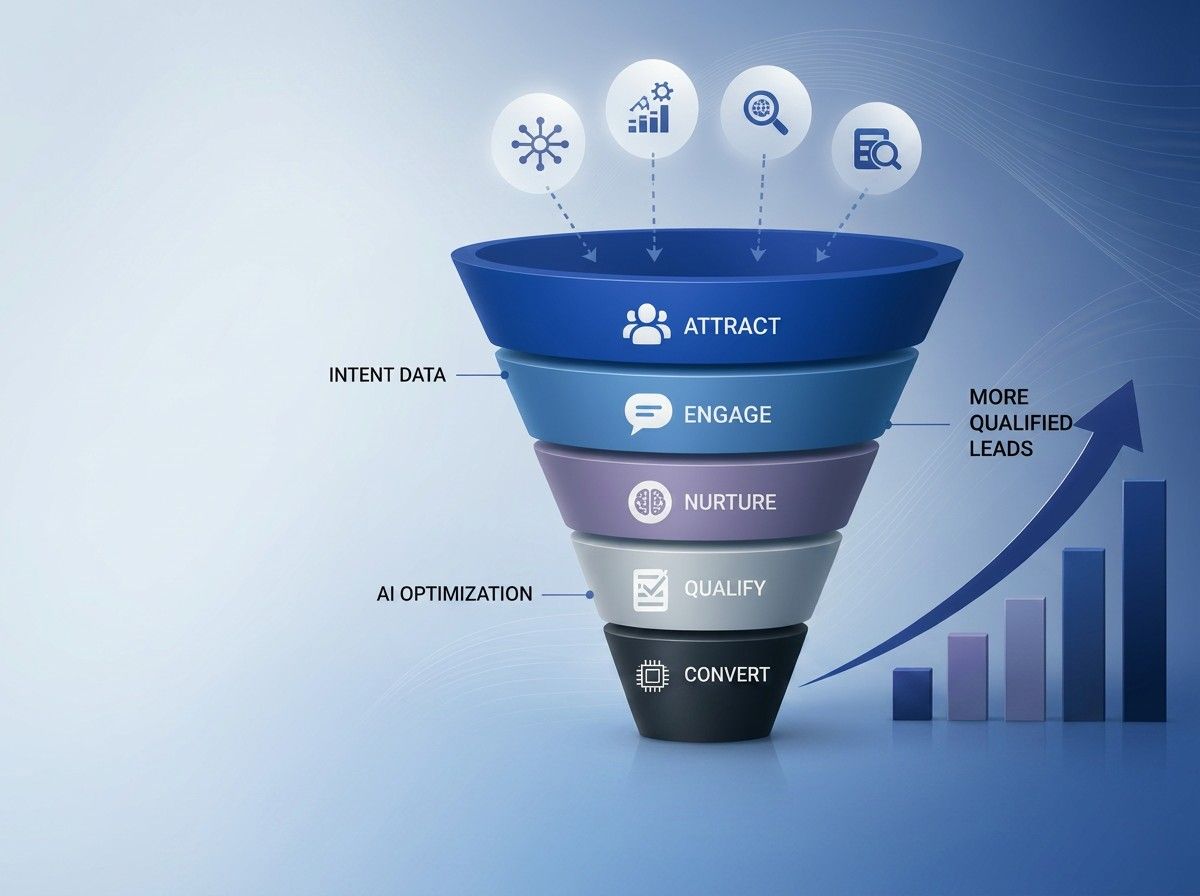
Attract → Capture → Filter → Validate → Match
This type of approach helps remove leads that do not meet predefined requirements before they reach the sales team.
Lead Balance describes a similar process for its student loan consolidation campaigns, including filtering, validation, and matching based on specific criteria.
When evaluating a provider, ask what happens between the moment a consumer submits a form and the moment the lead reaches your sales team.
5. Confirm Consent and Compliance Practices
This should never be treated as an afterthought.
Student loan marketing involves consumers dealing with sensitive financial circumstances. Companies purchasing leads should understand how consumer information was collected and what permissions were obtained.
Ask your provider about:
- Consumer consent
- Disclosure language
- Do-not-call screening
- Lead documentation
- Data handling
- Call recording practices, where applicable
- Applicable federal and state requirements
Lead Balance highlights TCPA and DNC privacy safeguards as part of its lead program.
However, buyers should still conduct their own compliance review and make sure their sales practices, scripts, calling procedures, and offers comply with applicable laws and regulations.
Compliance is not simply about protecting a company. It also contributes to a better consumer experience.
6. Measure Lead Quality, Not Just Lead Volume
A common mistake is judging a campaign by the number of leads delivered.
Suppose you purchase 500 leads. That number sounds impressive, but what if only 100 are reachable and five become customers?
Now compare that with 200 better-qualified leads that generate 20 customers.
The second campaign may be far more valuable.
Track metrics such as:
- Contact rate
- Connection rate
- Qualification rate
- Appointment rate
- Application rate
- Conversion rate
- Cost per acquisition
- Revenue per lead
- Refund or replacement rate
This gives you a clearer picture of actual ROI.
A lead provider that offers tracking tools, lead IDs, source information, or campaign-level reporting can make optimization easier. Lead Balance says its platform provides tracking and dashboard functionality to help buyers monitor sales activity and lead performance.
The goal is not to buy the cheapest lead. It is to determine which leads produce the best business outcome.
7. Make Sure the Leads Match Your Sales Process
Even excellent leads can underperform if your team does not respond effectively.
Student loan prospects may be comparing different options and trying to understand complicated financial decisions. The CFPB has found that many borrowers have difficulty understanding or accessing alternative repayment options.
That means your sales process should be prepared for questions rather than relying on an aggressive pitch.
Have a clear process for:
- Receiving the lead
- Contacting the prospect quickly
- Confirming the information they submitted
- Understanding their specific situation
- Determining whether your service is appropriate
- Explaining the next step clearly
- Following up when the prospect is not immediately available
Speed matters, but relevance matters too.
Your team should know what type of student loan leads it is receiving and have a conversation strategy designed around that specific audience.
What Should You Look for in a Student Loan Lead Provider?
After evaluating the seven factors above, you should have a much clearer picture of what separates a valuable lead from an expensive contact.
Look for a provider that offers:
- Clearly defined qualification criteria
- Fresh consumer inquiries
- Appropriate filtering
- Lead validation
- Exclusive delivery when available
- Transparent tracking
- Compliance-focused processes
- Flexible campaign criteria
- Reporting and performance monitoring
Most importantly, the provider should understand that every business has different requirements. A company looking specifically for student loan consolidation leads may need different qualification criteria from a business targeting broader student loan debt leads.
Conclusion: Buy Smarter, Not Just More
The biggest mistake when buying student loan leads is focusing exclusively on quantity. A large database does not automatically create a successful sales pipeline.
The better approach is to evaluate source, qualification, exclusivity, verification, compliance, performance, and sales fit before committing your budget.
When these factors are aligned, your team has a better opportunity to spend its time speaking with prospects who actually fit the campaign instead of chasing irrelevant contacts.
For businesses looking for a structured approach to qualified student debt opportunities, Lead Balance uses targeted marketing, pre-qualification, validation, and lead matching to connect businesses with relevant prospects based on defined campaign criteria.
The objective is simple: buy fewer wasted opportunities and create more meaningful conversations with prospects who are genuinely looking for help.
FAQs
Are student loan leads worth buying?
They can be, provided the leads match your target customer profile and are generated through a transparent, quality-controlled process. Track conversion and acquisition metrics rather than judging performance by lead volume alone.
What are student loan consolidation leads?
Student loan consolidation leads are inquiries from consumers interested in exploring options for combining or managing multiple student loans. Eligibility and appropriate solutions can vary depending on whether loans are federal or private.
What makes student loan debt leads valuable?
Relevant debt amount, loan type, repayment situation, employment or income information, geographic eligibility, and demonstrated intent can help determine whether a student loan debt lead fits a particular campaign.
Should I buy exclusive student loan leads?
Exclusive leads can reduce direct competition because the same inquiry is not simultaneously distributed to multiple buyers. However, buyers should still evaluate lead quality, qualification criteria, compliance, and actual conversion performance.
How can I improve ROI from purchased leads?
Start with clearly defined qualification criteria, respond quickly, track every lead through the sales funnel, measure conversion by source, and regularly remove lead types that consistently produce poor results.