Smart Furniture Solutions: Stylish, Functional Pieces for Home and Learning Spaces
-

- February 23rd, 2026
- 1,082 views

Get a free topical map and start building content authority today.
Choosing stylish and functional furniture helps create spaces that support comfort, focus, and social interaction in both homes and learning environments. This guide explains design principles, furniture types, material choices, layout strategies, and maintenance tips to transform rooms into adaptable, healthy, and attractive places to live and learn.
- Prioritize ergonomics, scale, and adaptability when selecting furniture.
- Choose modular, multi-functional pieces to maximize space and flexibility.
- Consider sustainable materials and finishings for durability and indoor air quality.
- Design layouts for circulation, acoustics, lighting, and accessibility.
- Follow maintenance and safety best practices to extend lifespan and reduce risk.
Principles of stylish and functional furniture for home and learning
Effective furniture design balances aesthetics with practical needs. Key principles include proportion and scale to suit room size and user body types; ergonomics to reduce strain during prolonged use; modularity to adapt to changing activities; and storage integration to keep areas organized. In learning settings, durability and ease of cleaning are also important for hygiene and longevity.
Design considerations: ergonomics, scale, and adaptability
Ergonomics and health
Ergonomic furniture supports posture, reduces repetitive strain, and can improve concentration. For desks and chairs used for study or work, adjustable height and lumbar support are essential. For guidance on workplace ergonomics and recommended practices, consult materials from regulatory and health organizations such as the Occupational Safety and Health Administration (OSHA): Occupational Safety and Health Administration.
Scale and proportion
Select furniture scaled to the room and the primary users. Compact, slim-profile items fit smaller urban homes, while larger tables and storage units are appropriate for spacious family rooms or makerspaces. In educational settings, consider age-appropriate sizing and the ability to reconfigure seating for group work.
Adaptability and modular design
Modular furniture—such as units that stack, fold, or interlock—allows rapid reconfiguration for different activities: individual study, group projects, presentations, or art and play. Multi-functional pieces (convertible tables, storage benches, or beds with integrated desks) maximize utility in small spaces.
Furniture types and features for homes and learning spaces
Desks, tables, and work surfaces
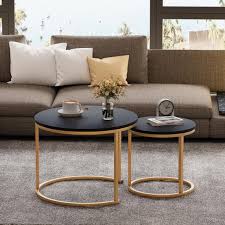
Choose surfaces with sufficient workspace and durable finishes. Height-adjustable desks support standing and sitting postures, while mobile tables with lockable casters create flexible learning zones. For shared learning areas, surfaces with cable management simplify device use.
Seating options
Supportive seating ranges from adjustable task chairs to soft, lounge seating for relaxed reading. In classrooms and collaborative spaces, stackable or nesting chairs allow rapid changes to layout; in homes, consider chairs with removable, washable covers for easier maintenance.
Storage and organization
Integrated storage—shelves, cubbies, lockers, and under-desk drawers—reduces clutter and supports task flow. Use clear labeling and modular bins in learning environments to build independent organization skills among students. In homes, concealed storage keeps living spaces tidy without compromising style.
Materials, sustainability, and indoor environmental quality
Material choices
Select materials that balance durability, weight, and appearance. Solid woods, engineered wood, metal frames, and molded plastics each have trade-offs in cost, longevity, and maintenance. Consider low-VOC finishes and textiles certified for indoor air quality to protect occupants.
Sustainable practices
Look for furniture made from responsibly sourced wood, recycled metals, and recyclable plastics. Reuse and refurbishment extend product lifecycles, reducing waste. Educational institutions often pursue furniture with eco-labels and lifecycle assessments to meet sustainability goals.
Layout strategies: lighting, acoustics, and circulation
Lighting and sight lines
Position desks and tables to take advantage of natural light while avoiding glare on screens. Layered lighting—ambient, task, and accent—supports varied activities in the same room.
Acoustics and privacy
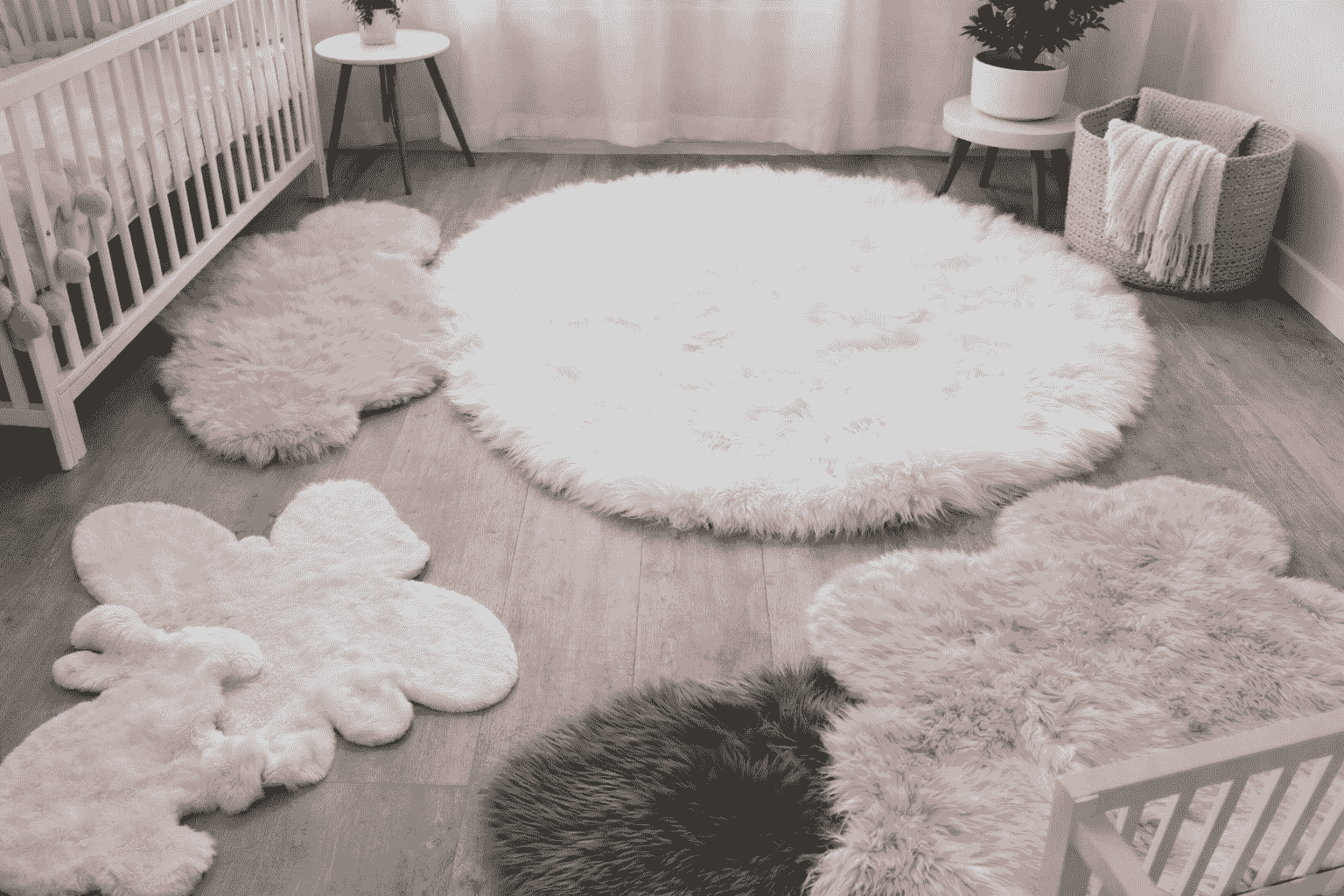
Soft furnishings, rugs, and acoustic panels absorb sound in busy spaces. In learning environments, create quiet zones for focused work and open zones for discussion. Partitioning and movable screens provide visual privacy without permanent construction.
Circulation and safety
Ensure clear paths for movement and comply with accessibility guidelines for doorway widths and maneuvering space. Store heavy items low and secure tall units to prevent tipping.
Maintenance, safety, and lifecycle management
Cleaning and upkeep
Follow manufacturer recommendations for cleaning finishes and fabrics. Removable covers and washable surfaces reduce allergen buildup. Regular inspections of hardware and casters extend usable life.
Safety and compliance
Adhere to relevant safety standards for furniture in schools and childcare settings, including small-parts guidelines and flame-resistance regulations where required. Involve facilities managers or safety officers when specifying furniture for public institutions.
Implementation tips for homeowners and facility planners
Start with activities, not pieces
Map daily activities and peak occupancy before selecting furniture. Choose pieces that support primary uses and can adapt for occasional functions.
Test and pilot
When possible, pilot modular or adjustable items in small numbers to assess comfort and durability before large purchases. Gather feedback from frequent users—students, teachers, or household members—to guide wider rollouts.
Frequently asked questions
What are examples of stylish and functional furniture suitable for kids' study areas?
Examples include height-adjustable desks, ergonomic task chairs sized for children, wall-mounted storage with labeled bins, and mobile tables that convert for group projects. Durable, washable surfaces and rounded edges increase safety and longevity.
How can small apartments incorporate flexible learning areas?
Use fold-down desks, wall-mounted shelving, room dividers, and multi-purpose furniture such as benches with storage. Vertical storage and slim-profile seating preserve floor area while providing necessary functions.
Which materials are best for durability and indoor air quality?
Engineered woods with low-VOC adhesives, powder-coated metal, and tightly woven performance fabrics are durable choices. Look for certifications from recognized testing organizations and avoid high-VOC finishes.
How often should adjustable seating and desks be inspected?
Inspect moving parts, fasteners, and casters quarterly in high-use settings and address any loose hardware or wear immediately to maintain safety and function.