Surgical Mesh Market Competition Analysis Reveals Key Strategies for Industry Leaders
-

- Published Updated
- 75 views
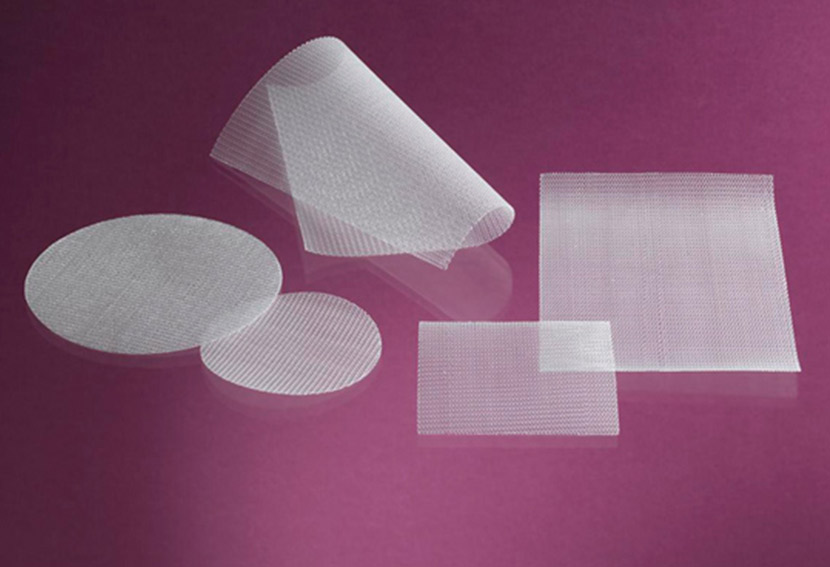
The surgical mesh market is characterized by continuous product development, evolving surgical practices, and competition among medical device manufacturers seeking to improve patient outcomes. Surgical mesh products are widely used in procedures involving hernia repair, pelvic organ prolapse treatment, and the reinforcement of weakened tissues. As healthcare providers increasingly emphasize procedural efficiency, patient safety, and long-term treatment outcomes, manufacturers are focusing on product differentiation, clinical evidence, and stronger relationships with healthcare institutions.
Competition in this market extends beyond pricing. Companies must demonstrate product reliability, biocompatibility, ease of implantation, and compliance with stringent medical device regulations. Their ability to respond to changing clinical requirements and address concerns regarding complications can influence purchasing decisions and long-term commercial performance.
Competitive Landscape of the Surgical Mesh Market
The competitive landscape includes established medical device manufacturers, specialized surgical product companies, and emerging innovators developing advanced biomaterials. Participants compete through product portfolios, distribution capabilities, manufacturing quality, clinical support, and regulatory expertise.
Established companies often benefit from recognized brands, established hospital relationships, and experience navigating complex approval processes. These advantages can help them maintain customer confidence and introduce new products across multiple healthcare markets. Smaller manufacturers, meanwhile, may concentrate on specialized applications, differentiated materials, or innovative product designs that address specific surgical needs.
The surgical mesh market also features competition between conventional synthetic meshes and alternative materials, including absorbable products and biologically derived options. Each category offers different characteristics related to strength, tissue integration, degradation, and clinical suitability. Manufacturers must communicate these differences clearly while supporting product claims with appropriate evidence.
Product Innovation as a Competitive Advantage
Innovation is an important factor shaping competition among surgical mesh suppliers. Manufacturers are exploring improvements in mesh architecture, material composition, flexibility, and handling characteristics to support surgeons during implantation. Product designs that offer suitable mechanical strength while minimizing unnecessary material use may attract interest from healthcare professionals.
Developments in absorbable and partially absorbable materials are also influencing competitive strategies. These products are designed for particular clinical applications in which the material's long-term presence or gradual degradation may be relevant to treatment objectives. However, product suitability depends on the procedure, patient characteristics, and available clinical evidence.
Companies investing in research and development can differentiate their portfolios by addressing specific surgical requirements rather than relying solely on established product designs. Collaboration with surgeons, research institutions, and healthcare organizations can help manufacturers identify unmet needs and evaluate potential improvements.
Nevertheless, innovation requires substantial investment in testing, regulatory documentation, and clinical evaluation. Companies must balance the cost of developing new products against commercial demand and the time required to establish acceptance among healthcare professionals.
Pricing, Quality, and Hospital Procurement
Pricing remains an important competitive consideration, particularly for hospitals and healthcare systems operating under strict budget constraints. Procurement teams may compare product costs, clinical performance, supply reliability, training requirements, and the potential financial consequences of complications when selecting surgical mesh products.
Lower-priced products may appeal to cost-conscious buyers, but price alone rarely determines purchasing decisions for devices used in surgical procedures. Healthcare providers generally require confidence in manufacturing consistency, product specifications, regulatory compliance, and appropriate clinical use.
Manufacturers therefore need to demonstrate value through dependable supply, technical assistance, product availability, and evidence supporting intended applications. Efficient production processes and supply chain management can help companies maintain competitive pricing without compromising quality.
Companies that establish transparent communication with healthcare purchasers may be better positioned to build durable commercial relationships. At the same time, procurement strategies must respect institutional requirements and applicable rules governing medical device purchasing.
Regulatory Compliance and Clinical Evidence
Regulatory compliance is a major competitive factor because surgical mesh products must meet applicable safety and performance requirements in their target markets. Differences in regulatory pathways across countries can affect product launch schedules, development costs, and expansion plans.
Manufacturers with established quality management systems and experienced regulatory teams may be better equipped to manage documentation, product evaluations, post-market monitoring, and changes to product specifications. Consistent compliance can also support confidence among healthcare institutions and distribution partners.
Clinical evidence is particularly important in a market where product performance and potential complications receive close attention. Companies must evaluate relevant outcomes, communicate known risks, and ensure that promotional statements are consistent with authorized indications and available evidence.
A strong regulatory strategy does not eliminate commercial risks, but it can help manufacturers manage product development more effectively. Companies that prioritize patient safety and transparent reporting can strengthen their credibility in a competitive environment.
Distribution Networks and Geographic Expansion
Distribution capabilities influence the ability of surgical mesh manufacturers to reach hospitals, ambulatory surgical centers, and specialized surgical facilities. Established distributors can provide access to regional healthcare networks, support product availability, and assist with inventory management.
International expansion offers opportunities to reach additional healthcare systems, but companies must adapt to local registration requirements, procurement practices, pricing expectations, and infrastructure conditions. Markets with developing surgical capabilities may present growth opportunities alongside challenges related to affordability, specialist training, and product accessibility.
Manufacturers can strengthen their market position through carefully selected distribution partnerships, regional service teams, and educational initiatives for qualified healthcare professionals. Reliable supply is especially important for surgical products that healthcare facilities need to maintain appropriate inventory levels.
However, geographic expansion requires investment and an understanding of local clinical practices. Companies must evaluate market conditions before committing resources to new regions.
Strategic Partnerships, Acquisitions, and Portfolio Development
Strategic partnerships can help manufacturers access complementary technologies, specialized expertise, and new customer segments. Collaborations involving biomaterials research, surgical instruments, and medical technology development may support the creation of differentiated products.
Acquisitions and portfolio expansion can provide another route to competitive growth. A company may seek to strengthen its presence in a particular surgical application, acquire manufacturing capabilities, or broaden its range of implantable medical devices. Such decisions can improve commercial reach when integration is managed effectively.
Nevertheless, partnerships and acquisitions introduce financial, operational, and regulatory complexities. Companies must assess technology compatibility, quality standards, intellectual property, and the strength of the underlying clinical evidence before pursuing these strategies.
Challenges Affecting Competitive Positioning
Despite the opportunities available, manufacturers face several competitive challenges. Product recalls, safety concerns, litigation exposure, and changing clinical preferences can affect reputation and demand. Companies must also manage research costs, manufacturing expenses, regulatory requirements, and pressure from healthcare purchasers seeking cost-effective solutions.
Another challenge is demonstrating meaningful differentiation in an environment where competing products may serve similar clinical purposes. Manufacturers that rely primarily on promotional messaging without sufficient supporting evidence may struggle to establish lasting credibility.
Continuous post-market surveillance, effective risk management, and responsible engagement with healthcare professionals are therefore essential components of a sustainable competitive strategy.
Future Outlook for Market Competition
Competition in the surgical mesh market is expected to remain closely connected to material science, clinical evidence, product quality, and healthcare purchasing priorities. Manufacturers that develop application-specific solutions and demonstrate reliable performance may strengthen their positions over time.
Future competitive advantages may arise from improved manufacturing technologies, better product traceability, stronger distribution partnerships, and more responsive customer support. Digital quality systems and data-driven supply chain planning may also help companies improve operational efficiency.
Ultimately, success will depend on balancing innovation with patient safety, regulatory compliance, affordability, and clinical suitability. Companies that make evidence-based product development and long-term healthcare relationships central to their strategies will be better positioned to respond to changing market requirements.