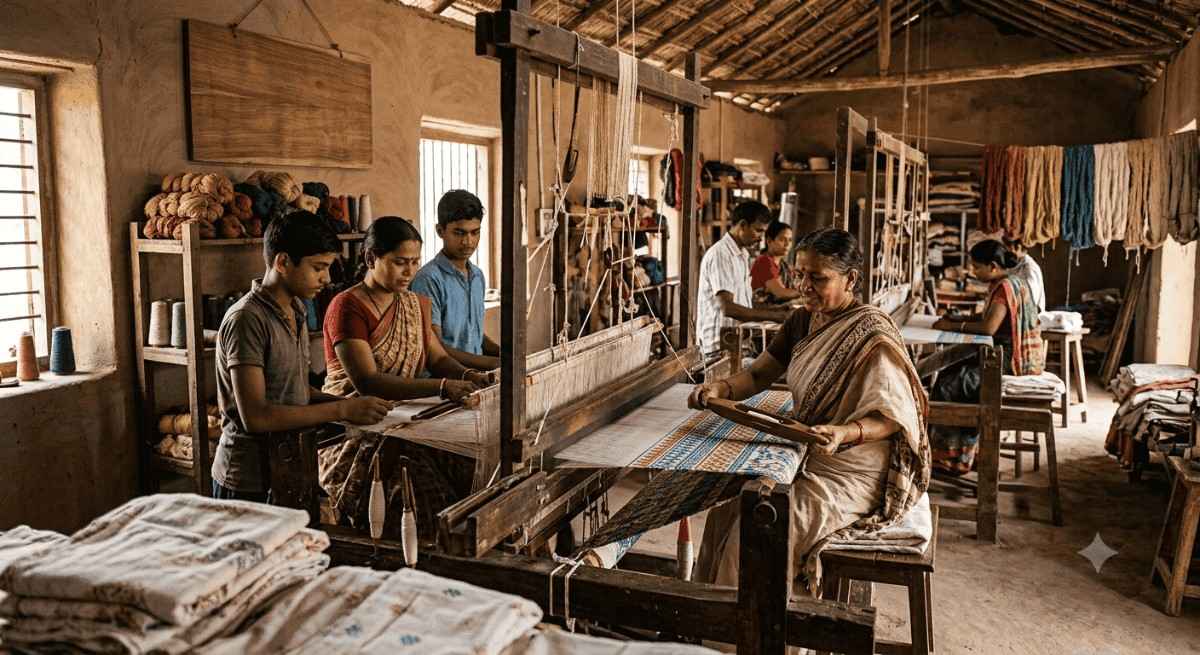
From Natural Dyes to Handwoven Threads: What Makes a Dupatta Truly Sustainable?
-
- Published Updated
- 7,294 views
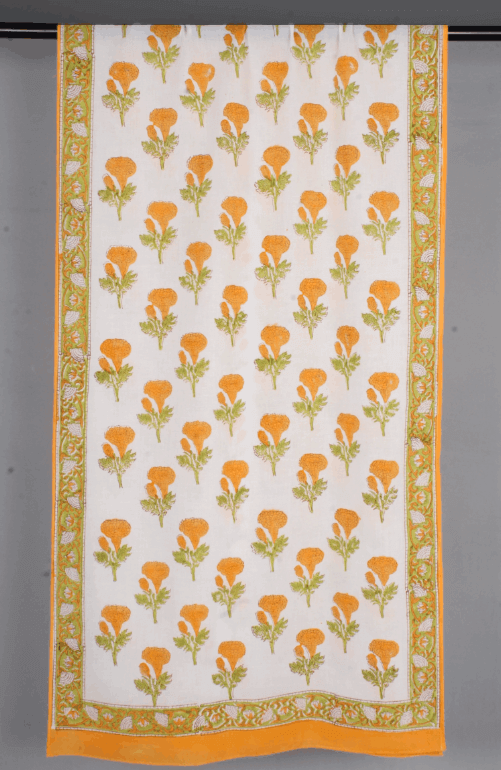
In the vibrant world of fashion, the term ‘sustainable’ is gaining well-deserved attention. Consumers are increasingly seeking items that are not only beautiful but also kind to the planet and its people.
The dupatta, a timeless accessory in South Asian wardrobes, is at the centre of this conversation.
But what elevates a simple piece of fabric to a truly sustainable garment? The answer lies in a journey that begins long before the final stitch, focusing on ancient techniques like natural dyeing and handweaving.
A sustainable handloom dupatta is a testament to mindful creation, blending heritage, artistry, and environmental consciousness.
The Soul of Sustainability: Handwoven Threads
The foundation of an authentic, eco-friendly dupatta is the handloom process itself. Unlike power looms, which consume vast amounts of electricity and operate at high speeds, handlooms are powered entirely by human skill and labour. This traditional method of weaving carries several intrinsic sustainable benefits.
Firstly, the environmental footprint is significantly lower. The process requires no electricity, thereby reducing carbon emissions. Water consumption is also considerably less than in large-scale industrial textile production. This gentle approach to manufacturing preserves natural resources and avoids the pollution associated with mass-produced fabrics.
Secondly, handweaving supports the livelihoods of skilled artisans, often in rural communities where such employment is vital. Each thread passed through the loom represents hours of meticulous work, preserving a craft that has been passed down through generations. Choosing a handwoven piece is an investment in these communities and the cultural heritage they uphold.
A Splash of Nature: The Role of Natural Dyes
The colour of a fabric is one of its most captivating features, but the story behind that colour is crucial to its sustainability credentials. Conventional fashion relies heavily on synthetic dyes, which are often derived from petrochemicals and can release harmful toxins into waterways during the manufacturing process. Natural dyes offer a beautiful and environmentally sound alternative.
Environmental Advantages
Natural dyes are derived from renewable sources found in nature, such as plants, minerals, and insects. This organic origin provides a host of benefits:
- Biodegradability: Sourced from nature, these dyes break down without harming the environment.
- Reduced Water Pollution: As they are non-toxic, the wastewater from the dyeing process does not contaminate rivers and soil.
- Hypoallergenic Properties: Free from harsh chemicals, fabrics coloured with natural dyes are gentler on the skin and ideal for those with sensitivities.
Unique Aesthetic Qualities
Beyond their eco-friendly properties, natural dyes impart a unique character to each garment. The colours are often softer and more nuanced than their synthetic counterparts, with an earthy richness that is difficult to replicate. Because the raw materials can vary slightly with each season and harvest, no two dye baths are ever identical.
This means every naturally dyed handloom dupatta possesses subtle variations in its shade, making it a truly one-of-a-kind piece of wearable art. From the deep indigo of the Indigofera plant to the vibrant yellow of turmeric, these colours tell a story of nature itself.
Beyond the Weave: Ethical and Social Sustainability
True sustainability is a holistic concept that extends to the people behind the product. The handloom sector is a cornerstone of ethical fashion, providing fair wages and dignified work for millions of artisans. When you choose a handloom piece, you are helping to sustain a decentralised industry that empowers individuals and strengthens local economies.
This principle applies not only to dupattas but also to other beautiful creations like handloom stoles, which carry the same legacy of craftsmanship. Supporting these products ensures the continuation of invaluable skills and provides a stable income for artisan families.
Identifying a Truly Sustainable Handloom Piece
As a conscious consumer, knowing what to look for can help you make an informed choice. When searching for a handloom cotton dupatta, consider its texture and feel; handwoven fabrics often have a unique texture and slight imperfections that signify their handmade origin.
These are not flaws but rather marks of authenticity. When browsing for a handloom cotton dupatta online, look for information about the artisans, the dyeing techniques used, and the origin of the materials. Transparency is a key indicator of a brand’s commitment to sustainable and ethical practices.
Conclusion
The journey of a sustainable dupatta is one of intention, skill, and respect for the environment. From the patient work of the weaver at the loom to the natural pigments that provide its beautiful colours, every element is connected to a larger story of mindful consumption.
By choosing garments made with handwoven threads and natural dyes, you are not just acquiring an accessory; you are supporting artisans, preserving cultural heritage, and making a positive impact on the planet.
To explore a collection that honours these principles of craftsmanship and sustainability, you can discover authentic, ethically made pieces at Shramdaan. Each item reflects a commitment to traditional techniques and eco-friendly practices. Find out more at https://shramdaan.in/.