Tea Adda: How Modern Tea Spaces Are Shaping Indian Tea Culture
-

- February 27th, 2026
- 451 views

Get a free topical map and start building content authority today.
Indian tea culture is evolving rapidly as tea stalls, specialty cafés, and new-format tea spaces like Tea Adda rework traditions into contemporary experiences. This guide explains what that change means for customers, entrepreneurs, and communities—practical steps, a named checklist, and common pitfalls to avoid.
- Why Indian tea culture matters now: social, economic, and culinary reasons.
- BREW Checklist for launching or evaluating a tea space (Brand, Recipe, Experience, Workflow).
- Practical tips for operators and consumers, plus a short real-world example.
- Five core cluster questions for deeper coverage and internal linking.
Detected intent: Informational
Why Indian tea culture matters today
Tea has been part of daily life across India for centuries, from roadside chaiwala stalls to ceremonial hospitality. Today, Indian tea culture intersects with trends in foodservice, urban social life, and entrepreneurship: consumers seek both nostalgia and novelty, while tea businesses balance authenticity with scalable operations. Understanding this shift helps operators build sustainable concepts and helps customers appreciate the trade-offs between tradition and innovation.
How modern tea businesses reshape traditions
New-format tea venues—often labeled as tea lounges, boutique tea bars, or Tea Adda-style spaces—reframe tea as an experience. These venues combine curated loose-leaf selections, lighter food pairings, and design-forward seating to attract diverse audiences. For a tea startup India entrant, this means defining a clear value proposition: handcrafted recipes, sourcing transparency, or a community hangout. Modern chai culture India includes both tech-enabled ordering and human-centered rituals, such as table-side pouring or storytelling about tea origins.
BREW Checklist: A simple model to plan or evaluate a tea space
Use the BREW Checklist as a practical framework to test ideas and operations before scaling.
- Brand — Identity, target audience, pricing strategy, visual language.
- Recipe — Core chai base, signature infusions, sourcing (estate, region, grade).
- Experience — Seating, service model, ambiance, storytelling, community events.
- Workflow — Supply chain, kitchen layout, training, quality controls.
- Win-metrics — Repeat rate, average ticket, customer satisfaction, waste levels.
Short real-world example: A neighborhood stall to Tea Adda pop-up
A small tea stall in a Mumbai neighborhood increases weekday foot traffic by converting two tables into a curated Tea Adda pop-up on weekends. Actions: update a single signature recipe to a loose-leaf masala chai, add a laminated menu with origin notes, train staff on consistent brewing times, and run two community events monthly. Results in three months: clearer positioning, a modest price premium, and a steady increase in repeat customers. This scenario illustrates incremental change rather than overnight reinvention.
Practical tips for operators and customers
- Standardize one or two core recipes first. Consistency builds trust faster than a broad menu.
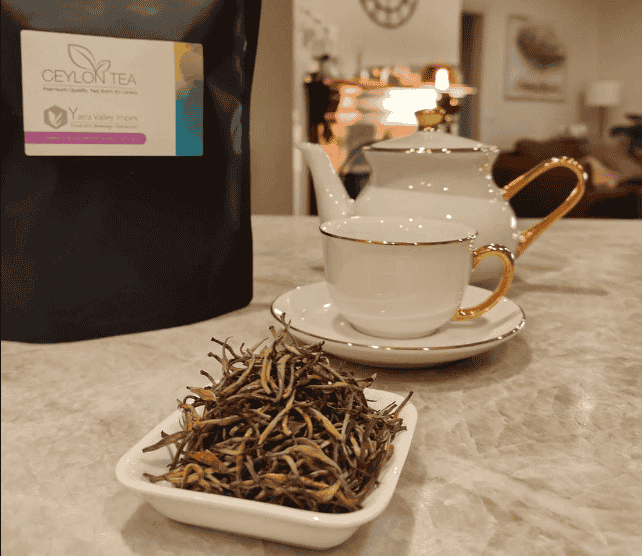
- Source one transparent tea origin (e.g., Assam or Darjeeling estate) and tell its story on the menu.
- Train staff using a short checklist for brew time, milk ratio, and service temperature to reduce variability.
- Use local partnerships—bakeries or artists—to add complementary offerings with low inventory risk.
- Measure basic metrics: daily pots brewed, peak hours, and average spend to guide decisions.
Trade-offs and common mistakes
Common mistakes
- Overcomplicating the menu before nailing the basics—too many options make training and supply harder.
- Ignoring price sensitivity—premium formats should justify higher prices with clear value.
- Neglecting hygiene and food-safety standards—compliance affects reputation and legal standing.
Key trade-offs to consider
Choice vs. consistency: a longer menu can attract curious customers but increases preparation errors. Authenticity vs. scalability: handcrafted, time-intensive chai may limit throughput during peak hours. Location vs. experience: a lower-rent area may require stronger branding and events to draw customers.
Related resources and industry context
For official production and trade guidance, consult the Tea Board of India for data on tea-growing regions, export rules, and grading standards: Tea Board of India. Also consider Food Safety and Standards Authority of India (FSSAI) requirements when serving food and beverage items.
Core cluster questions
These five questions reflect common searches and provide internal linking targets for deeper articles:
- How do tea sourcing and provenance affect flavor and pricing?
- What are the simplest quality controls for a small tea business?
- How can a tea venue balance tradition and innovation in service design?
- Which metrics indicate a tea concept is ready to scale?
- What menu engineering tactics improve average spend without widening costs?
Measuring success: metrics that matter
Focus on repeat customers, average ticket size, throughput per hour, and waste percentage. For community-focused spaces, track event attendance and social engagement. Use simple weekly dashboards rather than complex systems at the start.
Implementation timeline (quick roadmap)
- Weeks 1–2: Define concept, finalize one signature recipe, source ingredients.
- Weeks 3–4: Staff training, minor interior tweaks, basic marketing (social and local partnerships).
- Month 2: Launch limited events (live music, tea tastings) and measure repeat rates.
- Month 3–6: Refine menu and operations based on data; consider expansion or franchise readiness checklist.
Final takeaways
Redefining Indian tea culture does not require abandoning tradition. Small, measured changes—consistent recipes, clear storytelling, and operational discipline—enable tea spaces like Tea Adda to create meaningful experiences while remaining sustainable. Use the BREW Checklist and the practical tips above to move from concept to repeatable operation without losing the social heart of chai culture.
FAQ
How is Indian tea culture changing and what does that mean for cafes?
Indian tea culture is diversifying: alongside roadside chai, there is growth in specialty tea bars and branded tea venues. For cafés, this means opportunities to differentiate through recipe quality, origin storytelling, and curated experiences while managing cost and throughput.
What should a small tea startup India focus on first?
Prioritize one or two consistent recipes, supplier relationships, staff training, and a simple service model. Measure basic metrics like repeat rate and average ticket before expanding the menu.
What hygiene and compliance basics are essential for serving tea and snacks?
Register with local food authorities, maintain clean water supply, follow temperature controls for milk, store ingredients properly, and train staff on hand hygiene. Align practices with FSSAI guidelines for packaged or prepared foods where relevant.
How can venues tell the story of tea origins to customers effectively?
Use concise menu notes, an origin map on the wall, staff scripts for brief storytelling, and occasional tasting flights. Authentic provenance details—estate name, region, elevation—build credibility without overwhelming customers.
What are quick ways to improve customer experience without large investment?
Standardize service timing, improve seating comfort, offer a clear single-page menu, and run weekend tasting events to create word-of-mouth. Small hospitality gestures—consistent temperature, friendly explanations of menu items—have outsized impact.