Tech Stack Explained: Components, Types, and How It Works
-

- Published Updated
- 2,048 views
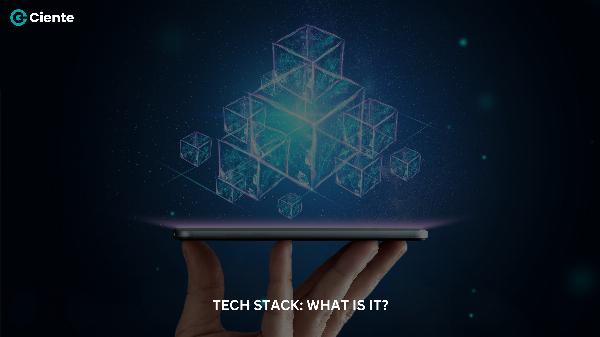
The term tech stack describes the combination of software, programming languages, frameworks, libraries, and infrastructure used to build and run an application or system. A clear understanding of a tech stack helps teams plan development, manage operations, and address security and compliance needs.
- Definition: A tech stack is the layered set of technologies that make an application work.
- Core layers: frontend, backend, database, infrastructure, and DevOps tooling.
- Types: monolithic, microservices, serverless, and packaged application stacks.
- Decisions depend on performance, team skills, cost, and compliance requirements.
What is a tech stack?
A tech stack is an organized collection of technologies selected to deliver specific functionality in a software system. It typically includes client-side (frontend) components that handle user interfaces, server-side (backend) components that process logic, data stores that persist information, and supporting infrastructure such as hosting, networking, and monitoring tools. Organizations design tech stacks to meet goals like scalability, development velocity, maintainability, and security.
Common components of a tech stack
Frontend (client-side)
The frontend layer manages the user interface and user experience. It involves markup, styling, and client-side logic that runs in a web browser or mobile device. Typical elements in this layer include HTML/CSS alternatives, UI frameworks, and client-side libraries that handle rendering, routing, and state management.
Backend (server-side)
The backend layer implements business logic, authentication, authorization, and integration with other systems. It may consist of application servers, runtime environments, programming languages, and frameworks that provide APIs or server-rendered pages. Backend components often expose RESTful or GraphQL APIs consumed by frontend clients or other services.
Data and storage
Databases and storage systems hold persistent data. Options include relational databases, NoSQL stores, object storage, and caching layers. Choices affect data modeling, transactional integrity, consistency, and query performance.
Infrastructure and platform
This layer covers hosting, networking, load balancing, and orchestration. Infrastructure can be provisioned on virtual machines, containers, or managed platform services. Concepts such as containerization, orchestration (for example Kubernetes), and infrastructure-as-code are common in modern stacks.
DevOps and observability
DevOps tooling supports build pipelines, continuous integration and delivery (CI/CD), configuration management, monitoring, logging, and incident response. Observability practices—metrics, logs, traces—help teams detect and troubleshoot runtime issues.
Security and compliance
Security controls include identity management, encryption, network policies, and dependency management. Compliance requirements (industry standards or regulators) also influence stack choices and operational practices.
Types of tech stacks and common architectures
Monolithic stacks
A monolithic architecture bundles application logic into a single deployable unit. It can be simpler to develop and deploy initially, but may become harder to scale and maintain as complexity grows.
Microservices and service-oriented stacks
Microservices split functionality into smaller, independently deployable services. This supports independent scaling and team autonomy but adds complexity in service communication, data consistency, and operational tooling.
Serverless and managed stacks
Serverless approaches use managed functions and platform services to reduce operational overhead. They can accelerate time to market and minimize infrastructure management, with trade-offs in cold-start latency, vendor constraints, and observability.
Packaged and platform stacks
Some systems use pre-built platforms or application stacks where many components are provided together (for example, content management systems or enterprise platforms). These reduce custom development at the cost of flexibility.
How tech stack decisions are made
Technical requirements
Performance, latency, throughput, data volume, and integration needs drive many technology choices. For example, read-heavy workloads may prioritize caching and specialized data stores.
Team skills and ecosystem
Available expertise and the maturity of frameworks and libraries affect maintainability and hiring. Consider the ecosystem of tools, community support, and long-term viability of languages and frameworks.
Cost and operational model
Costs include initial development, hosting, licensing, and ongoing operations. Managed services can reduce staffing costs but may increase vendor dependency. Cloud providers and platform choices influence pricing models.
Security, privacy, and regulatory constraints
Data protection laws, industry-specific regulations, and internal security policies shape technology and architecture decisions. Aligning with standards and best practices from organizations such as the W3C, IETF, or ISO can support interoperability and security; see the W3C for web standards and guidance: https://www.w3.org.
Maintaining and evolving a tech stack
Regularly review dependencies, update libraries, and perform security audits. Use automated testing and CI/CD to reduce risk when changing components. Monitor performance and costs, and maintain documentation so teams can onboard and respond to incidents efficiently. Architectural refactoring, such as breaking a monolith into services, should be driven by clear operational and business benefits rather than trends alone.
Practical tips for choosing a tech stack
- Start with clear goals: scalability, time-to-market, cost, and compliance.
- Favor standards and well-supported technologies to reduce long-term risk.
- Prototype critical paths to validate performance and developer productivity.
- Plan for observability, backups, and disaster recovery from the start.
- Balance innovation with stability—introduce new technologies where they solve specific problems.
FAQ
What is a tech stack and why does it matter?
A tech stack is the set of technologies used to develop, deploy, and operate a software application. It matters because each component affects performance, security, development speed, maintenance burden, and total cost of ownership.
Can a tech stack change over time?
Yes. Tech stacks evolve as requirements change, teams grow, or new tools become available. Planned migrations—such as adopting container orchestration, switching databases, or moving to managed services—help minimize disruption.
How does a tech stack affect hiring and team structure?
Chosen languages, frameworks, and operational models determine the skills required. Broad stacks may require generalists or multiple specialized teams; narrower stacks can simplify hiring but may limit flexibility.
Are there industry standards for tech stacks?
Standards exist for protocols, web technologies, and security practices from organizations such as the W3C, IETF, and ISO. Adhering to relevant standards supports compatibility and long-term maintainability.