Teen Laser Hair Removal in Dubai: A Parent’s Practical Guide
-

- February 23rd, 2026
- 1,320 views

FREE SEO Topical Map Generator: Find Your Next Content Ideas
Laser hair removal for teens is a common topic among parents seeking long-term hair-reduction options. This guide explains how procedures work, what parents should check in Dubai clinics, typical age and consent considerations, possible risks, and realistic expectations.
- Consult a licensed dermatologist or qualified practitioner before treatment.
- Dubai clinics must follow local health regulations and licensing; verify credentials.
- Risks include temporary skin irritation, pigment changes, and rarely burns; outcomes vary by skin and hair type.
- Multiple sessions and realistic expectations are necessary; alternatives include temporary hair removal methods.
Laser hair removal for teens: key considerations in Dubai
Parents considering laser hair removal for teens should prioritize safety, proper assessment, and licensed care. Clinics in Dubai are regulated by health authorities that set standards for cosmetic procedures; checking a clinic’s licensing and the practitioner’s medical qualifications is an important first step. The Dubai Health Authority provides guidance on facility licensing and practitioner registration, which can help when verifying a provider's credentials: Dubai Health Authority.
How laser hair removal works
Basic mechanism
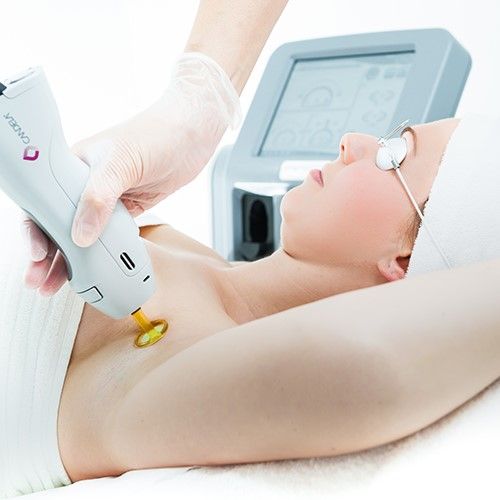
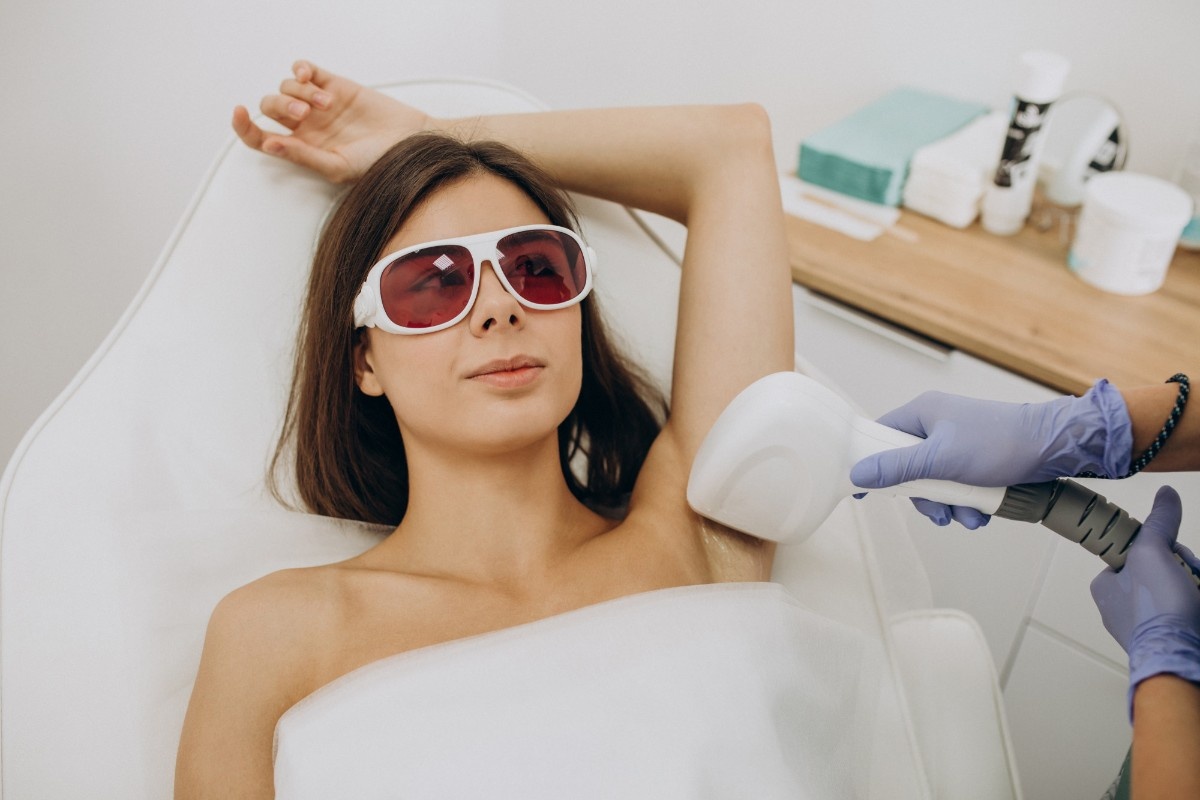
Laser hair removal targets pigment in the hair follicle with concentrated light energy. The absorbed light converts to heat and damages follicular structures responsible for hair growth. Effectiveness depends on hair color, thickness, and skin tone.
Types of lasers and skin types
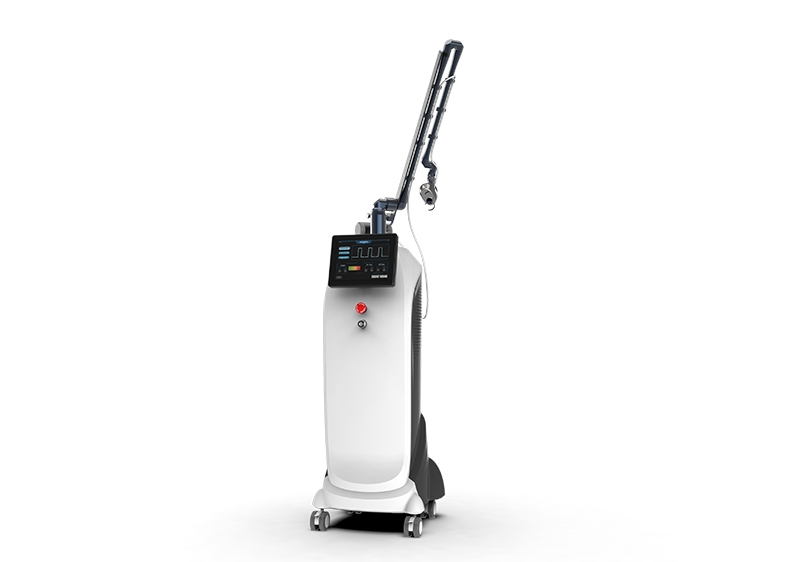
Common laser systems include diode, alexandrite, and Nd:YAG. Each has different wavelengths and suitability for various skin tones. Practitioners often assess skin type using the Fitzpatrick scale to choose a safe and effective device. Nd:YAG lasers can be preferable for darker skin tones, while alexandrite may be effective on lighter skin with coarse hair.
Legal, safety and clinic standards in Dubai
Licensing and practitioner qualifications
In Dubai, clinics offering laser procedures typically require a license and oversight from local health authorities. Parents should confirm that the clinic is licensed and that the procedure will be performed or supervised by a medically qualified practitioner with experience in dermatologic procedures. Requesting proof of certification and asking how many similar procedures the practitioner has performed can improve confidence in care quality.
Consent and age considerations
Age and consent policies may vary by clinic. Many facilities require parental consent for minors and may have minimum age limits for certain procedures. Discussion of maturity, hormonal factors (such as ongoing puberty), and treatment timing is commonly part of a pre-treatment assessment.
Preparing a teen and what to expect
Pre-treatment assessment
A pre-treatment consultation typically includes medical history, medication review, skin and hair evaluation, and explanation of expected outcomes and risks. Temporary conditions such as active acne, recent sun exposure, or certain medications can affect candidacy and timing.
Procedure and recovery
Sessions vary in duration depending on the area treated. Some redness, swelling, or tenderness is common immediately after treatment. Cooling methods and topical soothing agents are often used to ease discomfort. Multiple sessions spaced weeks apart are usually necessary because lasers are most effective during specific hair growth phases.
Risks, outcomes and realistic expectations
Possible side effects
Common side effects include temporary redness, swelling, and mild irritation. Less common outcomes include hyperpigmentation, hypopigmentation, blistering, or scarring if protocols are not followed. Risk levels depend on skin type, laser selection, practitioner skill, and post-treatment care.
Realistic outcomes
Laser hair removal reduces hair growth but does not guarantee permanent hair removal for everyone. Hormonal changes during adolescence can influence results; maintenance sessions may be necessary over time. Discussing realistic success rates and maintenance needs during the consultation helps set appropriate expectations.
Alternatives, timing and ongoing care
Non-laser alternatives
Temporary methods such as shaving, waxing, depilatory creams, and threading remain effective options for many teens. Electrolysis is another method for permanent removal of individual hairs but is time-consuming for large areas.
Aftercare and sun protection
Post-treatment care often includes avoiding sun exposure, using broad-spectrum sunscreen, gentle skin care, and following any specific instructions provided by the practitioner. Proper aftercare reduces the risk of pigment changes and other complications.
Timing related to puberty
Because hair growth patterns can change during puberty, some practitioners recommend waiting until a more stable phase of development before pursuing permanent or semi-permanent reduction. A clinical assessment can help determine appropriate timing.
Trust and verification
Confirm practitioner credentials, ask about device types and safety protocols, request before-and-after examples for similar cases, and ensure clear documentation of consent and aftercare instructions. Official health authority resources can provide additional guidance on licensed facilities and complaint processes.
Frequently asked questions
Is laser hair removal for teens safe in Dubai?
Safety depends on proper assessment, selection of an appropriate device for skin and hair type, and a licensed, experienced practitioner. Clinics regulated by local health authorities generally follow safety standards; parents should verify licensing and practitioner qualifications before proceeding.
At what age can a teen get laser hair removal?
Minimum ages vary by clinic and jurisdiction. Many clinics require parental consent and evaluate whether ongoing hormonal changes might affect results. A medical consultation can clarify suitability for an individual teen.
How many sessions are usually needed?
Multiple sessions spaced several weeks apart are typical because lasers target hair in active growth phases. The total number depends on hair thickness, treatment area, and individual response; maintenance sessions may be required.
What are the most common side effects?
Temporary redness, swelling, and mild irritation are common. Less frequent side effects include pigment changes and, rarely, blistering. Following practitioner instructions for pre- and post-treatment care reduces risks.
Can results change with puberty or hormones?
Yes. Hormonal changes during puberty or conditions affecting hormones can alter hair growth patterns, which may influence long-term outcomes. Discussing these factors during the consultation helps set expectations.
How to verify a clinic's credentials in Dubai?
Ask to see clinic and practitioner licenses, inquire about the practitioner's medical background and experience, and consult local health authority resources for verification and complaint procedures.
For individualized guidance, consult a qualified dermatologist or licensed practitioner who can assess a teen’s specific needs and explain local rules and safety measures without delay.