Effective Pest Control Services in Chembur: Health, Prevention, and Practical Checklist
-

- Published Updated
- 823 views
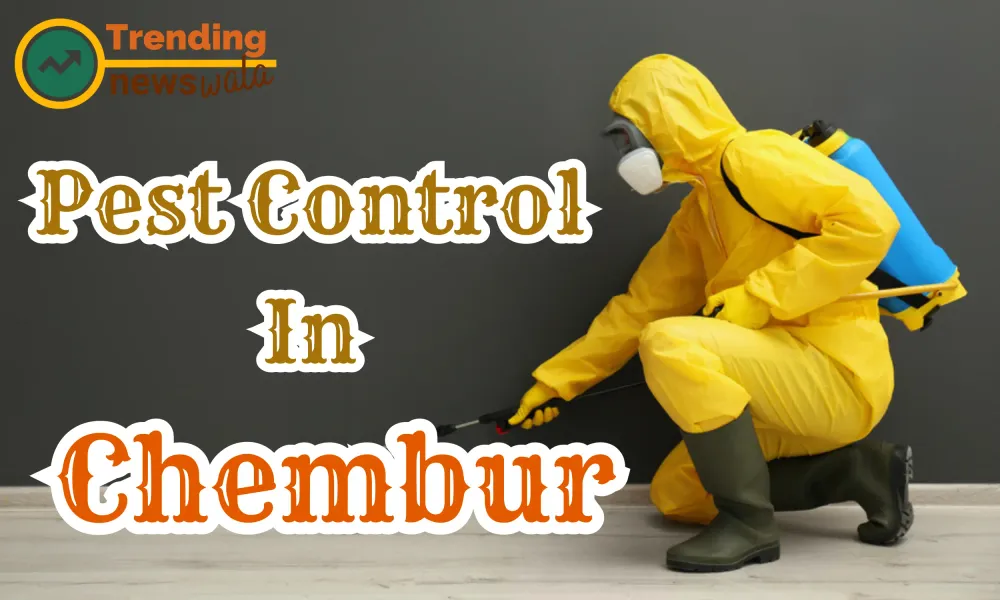
Reliable pest control services in Chembur protect homes and businesses from health risks, property damage, and regulatory fines. This guide explains why professional pest management matters in Chembur, what to expect from a service visit, and how to choose practical, long-term solutions.
- Detected intent: Informational
- Primary focus: pest control services in Chembur — why they matter and how to act
- Includes an IPM checklist, a real-world scenario, 5 core cluster questions, and 4 practical tips
Why pest control services in Chembur matter
Chembur’s dense residential blocks, mixed commercial areas, and monsoon season create conditions where rodents, mosquitoes, cockroaches, and termites can thrive. Professional pest control services in Chembur reduce disease vector risk, prevent structural damage, and help comply with local health regulations. Public-health organizations identify pests as vectors for disease and nuisances that increase healthcare burden; targeted control and prevention lower those risks (WHO: vector-borne diseases).
Common pests in Chembur and their impacts
Most common local pests include:
- Mosquitoes — transmit dengue and chikungunya
- Rodents — contaminate food, damage wiring and structures
- Cockroaches — trigger allergies and contaminate surfaces
- Termites — cause long-term structural damage
- Ants, bed bugs, fleas — localized infestation problems
Residential pest control Chembur: special considerations
Residential pest control Chembur requires attention to household safety, safe treatment around children and pets, and long-term habitat reduction—sealing gaps, setting up sanitation routines, and focused baits or treatments where necessary.
Termite treatment Chembur: what owners should know
Termite treatment Chembur often combines soil barriers, local wood treatments, and monitoring. Early inspection prevents expensive repairs. Treatments vary by infestation severity: spot-treatments for small colonies, soil termiticides or baiting systems for active tunnels.
Integrated Pest Management (IPM) Checklist — a named framework
Use the following IPM Checklist to evaluate or prepare for a service visit. IPM prioritizes non-chemical controls, targeted treatments, and monitoring.
- Inspect: Identify pest species, entry points, and conducive conditions.
- Sanitize: Remove food/water sources, fix drains, clean refuse areas.
- Exclude: Seal gaps, install door sweeps, mend screens.
- Monitor: Set traps or visual checks and record findings.
- Treat: Apply targeted chemical or non-chemical measures if thresholds reached.
- Evaluate: Review treatment results and adapt the plan every 30–90 days.
Choosing a service and common trade-offs
Choosing between rapid reactive treatments and ongoing preventive contracts involves trade-offs. Reactive visits are cheaper short-term but may allow recurring infestations; preventive programs cost more but reduce long-term damage and repeated treatments.
Common mistakes to avoid
- Relying only on fogging or broad-spectrum sprays—temporary relief but poor long-term control.
- Ignoring sanitation and structural fixes; treatments without habitat removal fail faster.
- Skipping species identification—wrong treatment wastes time and money.
Practical tips for homeowners and businesses
- Keep drains and outdoor drains covered and clean; stagnant water invites mosquitoes.
- Store dry food in sealed containers and clear clutter that provides rodent harborages.
- Schedule inspections around monsoon onset and before buying a property.
- Ask for a written scope: methods, safety measures, follow-up schedule, and guarantees.
Core cluster questions for related content (ideal internal links)
- How much does a termite inspection cost in Chembur?
- What are the best practices for mosquito prevention in high-density Mumbai neighborhoods?
- How to prepare an apartment for professional pest treatment?
- What legal or municipal requirements apply to commercial pest control in Chembur?
- When should a landlord schedule preventive pest management between tenants?
Short real-world example
Scenario: A mid-rise apartment building in Central Chembur reported recurring cockroach sightings and occasional rodent droppings. An inspection followed the IPM Checklist: inspectors sealed plumbing gaps, set monitors in common areas, improved garbage handling, and applied targeted bait stations. Within two months sightings dropped by 90% and residents reported fewer problems. A quarterly monitoring plan was implemented to sustain results.
Costs, contracts, and what to expect
Expect a basic inspection and single chemical treatment to be low cost; comprehensive IPM contracts (inspection, habitat modification, monitoring) carry higher upfront cost but reduce long-term expenses from repairs and health impacts. Always request a written report that documents findings, treatment areas, and follow-up recommendations.
FAQ
What do pest control services in Chembur typically include?
Typical services include inspection, identification, targeted treatment (bait, gels, spot sprays), exclusion recommendations, and a follow-up schedule. Contracts may add regular monitoring, sanitation guidance, and guarantees for recurring problems.
How often should homes in Chembur get preventive pest inspections?
Every 3–6 months is common for preventive checks; areas prone to mosquitoes or rodent activity may need more frequent visits, especially around monsoon season.
Are chemical treatments safe for families and pets?
When applied by trained technicians who follow label instructions and safety protocols, targeted treatments can be safe. IPM favors non-chemical controls first and uses chemicals only when necessary, minimizing exposure.
How can businesses manage pest control to meet health compliance?
Maintain documented inspection and treatment logs, seal waste and storage areas, and use licensed providers who supply reports suitable for municipal or food-safety audits.
How to find a qualified pest control provider in Chembur?
Verify licensure or local registration, request references, ask for a written scope and safety data sheets, and choose providers that offer an IPM-based plan rather than one-off fogging.