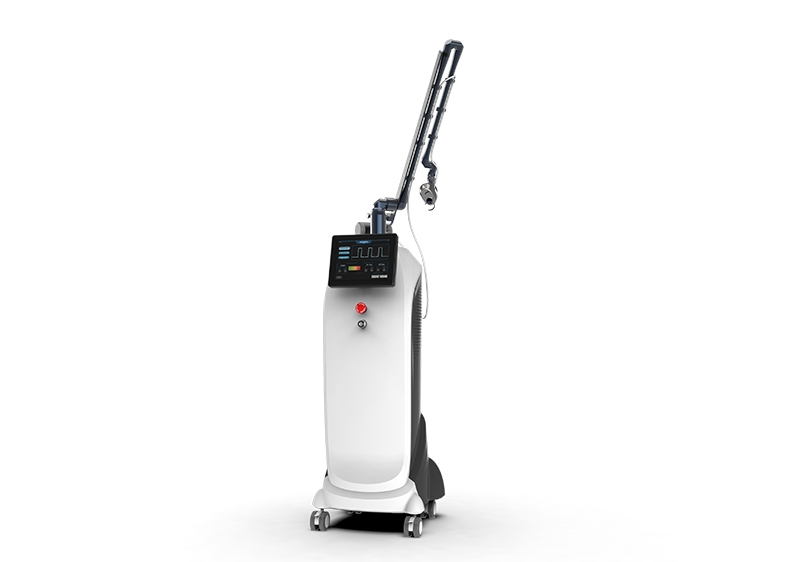
Fractional CO2 Laser in Riyadh: Technology, Safety, and How to Choose
-

- Published Updated
- 554 views
The fractional CO2 laser Riyadh market now includes both newer fractional ablative systems and established resurfacing devices. This guide explains how fractional CO2 works, what to look for at clinics in Riyadh, safety standards, practical recovery expectations, and common mistakes to avoid.
- What: Fractional CO2 is an ablative resurfacing laser used for wrinkles, scars, and skin texture.
- Where in Riyadh: Government-licensed hospitals and private dermatology or cosmetic clinics commonly offer fractional CO2 treatments.
- Key checks: practitioner credentials, device type, energy settings, post-care plan.
fractional CO2 laser Riyadh: Overview of technology and availability
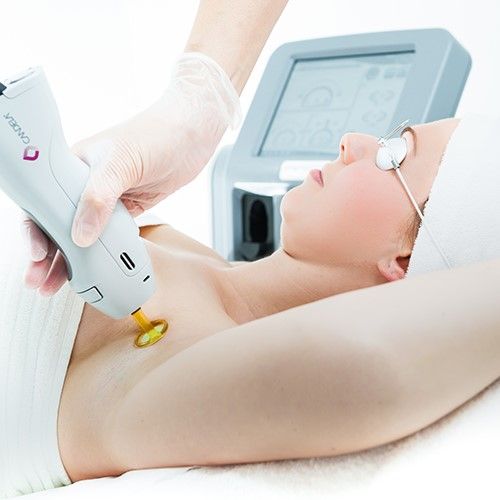
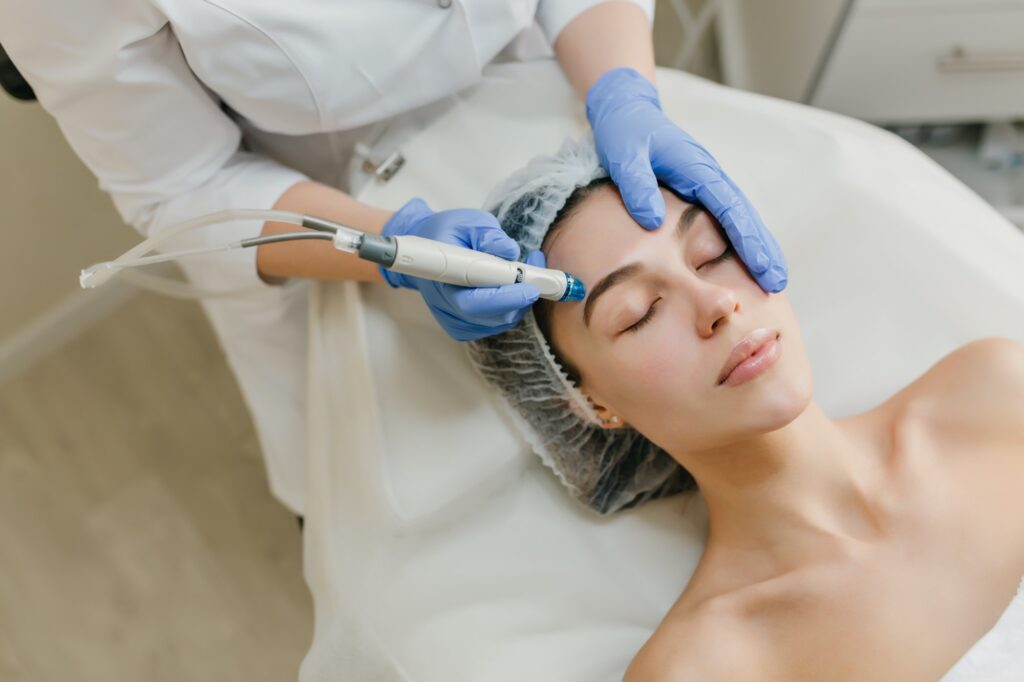
Fractional CO2 uses controlled micro-ablative columns to remove damaged tissue and stimulate collagen remodeling. The mechanism combines vaporization of epidermal columns with thermal injury to the dermis; that dual effect produces predictable resurfacing results but also requires careful patient selection and downtime management. Clinics in Riyadh commonly list fractional CO2 laser treatments for acne scarring, deep wrinkles, and photodamage.
How fractional CO2 lasers work (key terms)
Core technical concepts: ablative vs non-ablative, fractionated pattern, fluence (energy density), pulse duration, spot size, and overlap. Fractional devices leave untreated skin between microscopic treatment zones to speed healing. Outcomes depend on settings: higher energy and density increase results and downtime; lower settings reduce risk but require more sessions.
Types and machines found in Riyadh (what to expect)
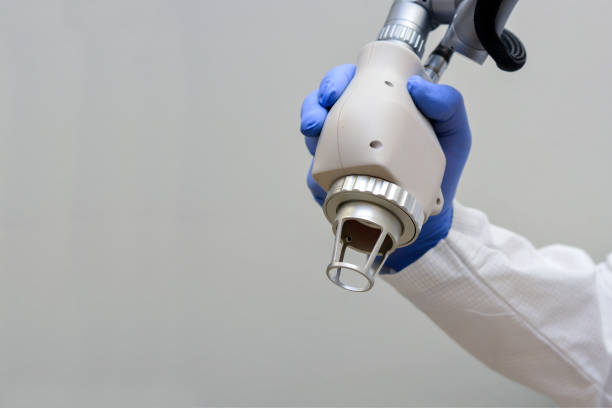
Clinics may advertise fractional ablative resurfacing or fractional CO2 modules on multi-platform systems. Expect to see descriptions such as "fractional resurfacing," "microablative columns," or device model names as examples. Equipment diversity means asking the clinic: device model, year of manufacture, maintenance records, and whether the practitioner has experience with that specific system. Related terms to listen for include ablative fractional resurfacing, CO2 beam, and resurfacing parameters.
Standards, training, and safety
Practitioner training and facility licensing are crucial. Riyadh clinics should follow Saudi Ministry of Health regulations for laser use and licensed dermatologists or plastic surgeons should perform treatments. For international best-practice guidance on laser safety and indications, see the American Society for Laser Medicine and Surgery: American Society for Laser Medicine and Surgery.
Choosing a clinic: the LASER CHECK framework
Use the LASER CHECK checklist before booking a fractional CO2 session:
- License: Verify practitioner medical license and facility registration.
- Assessment: Ask for a pre-treatment skin assessment and realistic outcome explanation.
- Settings: Request information on energy, density, and expected downtime.
- Equipment: Confirm device maintenance, model, and availability of manufacturer support.
- Recover: Confirm written post-treatment care, dressings, and follow-up schedule.
- Consent: Ensure informed consent covering risks and alternatives.
- Hygiene: Observe clinic cleanliness and infection-control procedures.
- Experience (bonus): Ask for before-and-after examples performed by the treating clinician.
- Kontact: Emergency contact and protocol for complications.
Practical considerations: downtime, costs, and trade-offs
Trade-offs are central. Higher-energy fractional CO2 treatments deliver more dramatic resurfacing but increase redness, crusting, and infection risk; lower-energy regimes minimize downtime but may need multiple sessions. Costs in Riyadh vary by facility, device, and treatment extent. Important trade-offs and common mistakes:
- Trade-off: Single intensive session vs staged lower-energy sessions (results versus downtime).
- Mistake: Choosing a clinic based on price alone; cheaper sessions may use poorly maintained devices or inexperienced operators.
- Mistake: Skipping pre-treatment skin optimization (e.g., treating active acne or failing to discontinue photosensitizing medications).
Common mistakes and how to avoid them
- Not verifying practitioner credentials — always request proof of license and training.
- Failing to follow pre- and post-care instructions — increases risk of scarring and pigment changes.
- Ignoring skin type considerations — darker skin requires conservative settings to reduce hyperpigmentation risk.
Real-world example
Scenario: A 38-year-old patient in Riyadh with rolling acne scars and mild sun damage consults a dermatologist. After assessment, the clinician recommends two sessions of fractional CO2 spaced three months apart at medium settings, with topical retinoid preconditioning for six weeks and antiviral prophylaxis for a history of cold sores. Expected recovery: 5–10 days of visible redness and crusting, then progressive improvement over 3–6 months.
Practical tips (actionable)
- Request a documented treatment plan that lists device model, parameters, and expected downtime.
- Start skin preconditioning (sunscreen, topical retinoid as advised) at least 4–6 weeks before treatment.
- Plan social and work schedules around expected downtime (typically 3–10 days for ablative fractional CO2).
- Use gentle wound-care: sterile saline cleanses and prescribed emollients; avoid active exfoliants until fully healed.
Core cluster questions
- How long is recovery after fractional CO2 resurfacing for acne scars?
- Which skin types are suitable for fractional CO2 laser treatments?
- What pre-treatment steps improve fractional CO2 outcomes?
- How many sessions of fractional CO2 are typically needed for deep wrinkles?
- What are the signs of complications after fractional CO2 treatment?
Is fractional CO2 laser Riyadh treatment safe for darker skin tones?
Safety depends on conservative settings, experienced operators, and pre/post-treatment pigment management. Practitioners often choose lower fluence and test a small area before full treatment for darker phototypes.
How much downtime should be expected after fractional CO2?
Typical visible downtime ranges from 3 to 10 days depending on intensity; full remodeling can take several months. Expect initial redness, crusting, and sensitivity.
Can fractional CO2 treat acne scars and stretch marks?
Fractional CO2 can improve rolling and boxcar acne scars and some types of stretch marks by stimulating dermal collagen, but results vary and multiple sessions may be required.
What pre-treatment steps reduce complication risk?
Preconditioning (sunscreen, topical retinoids where appropriate), antiviral prophylaxis for HSV history, stopping photosensitizing drugs, and treating active infections first are standard precautions.
How to verify a Riyadh clinic's credentials?
Ask for practitioner medical license, facility registration with the Saudi Ministry of Health, device maintenance records, and documented consent forms. Review before-and-after photos performed by the treating clinician and confirm emergency protocols.