Non-Invasive Double Chin Treatments in Dubai: Options, Costs, and How to Choose
-
- March 07th, 2026
- 425 views
Detected intent: Informational
The growing interest in non-surgical facial rejuvenation has put non-invasive double chin treatments Dubai at the center of cosmetic searches. This guide explains the most common procedures available in Dubai, what to expect in results and recovery, how providers are regulated, and a practical checklist for choosing a safe, effective option.
- Non-surgical options include HIFU, cryolipolysis, radiofrequency, and injectable fat-dissolving agents.
- Results vary: multiple sessions often needed; realistic expectations and professional assessment are essential.
- Use the CLEAR checklist before booking and confirm the clinic follows licensing and safety standards.
What are non-invasive double chin treatments Dubai?
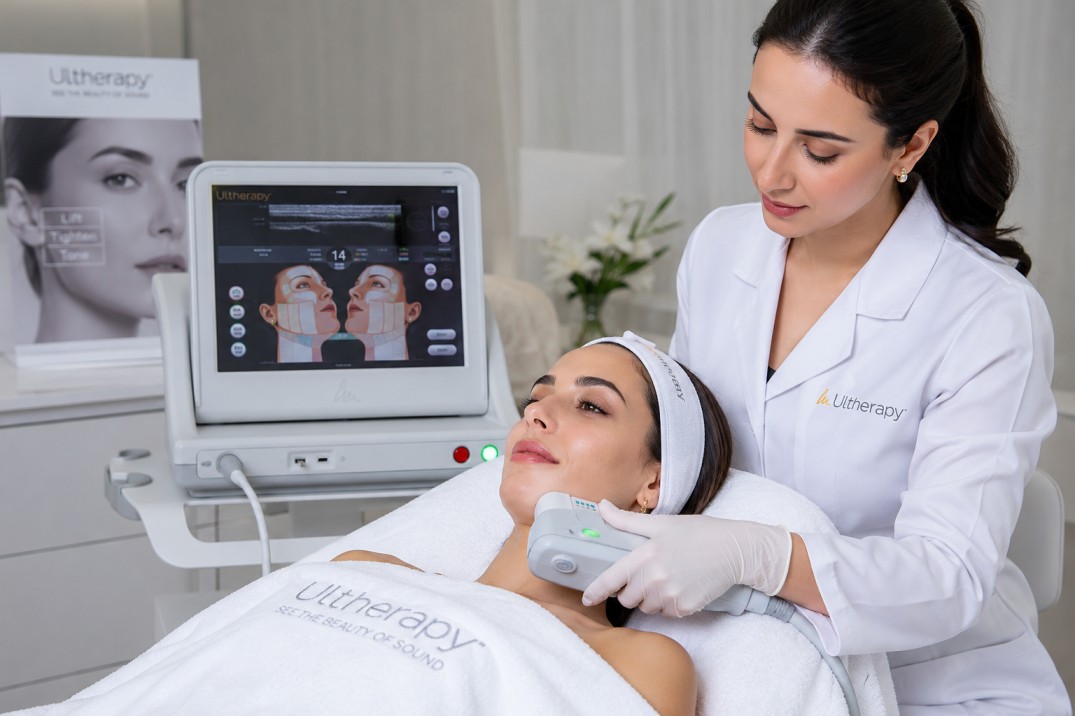
Non-invasive double chin treatments Dubai refers to non-surgical procedures designed to reduce submental fat or tighten lax skin beneath the chin without general anesthesia, incisions, or significant downtime. Common modalities include high-intensity focused ultrasound (HIFU), cryolipolysis (fat-freezing), radiofrequency (RF) skin tightening, and some energy-based laser therapies. Minimally invasive injectable options (e.g., deoxycholic acid) are sometimes grouped with non-surgical care because they avoid major surgery, though they involve injections.
How each option works and expected outcomes
HIFU (High-Intensity Focused Ultrasound)
Delivers focused ultrasound energy to deep tissue layers to stimulate collagen remodelling and some fat reduction. Best for mild to moderate skin laxity with gradual improvement over 2–6 months. Multiple sessions may be required.
Cryolipolysis (Fat-freezing)
Targets fat cells with controlled cooling to trigger apoptosis (cell death). Commonly used applicators are adapted for the submental area. Noticeable reduction typically appears after 6–12 weeks; 1–2 sessions may suffice for many patients.
Radiofrequency (RF) and RF-assisted devices
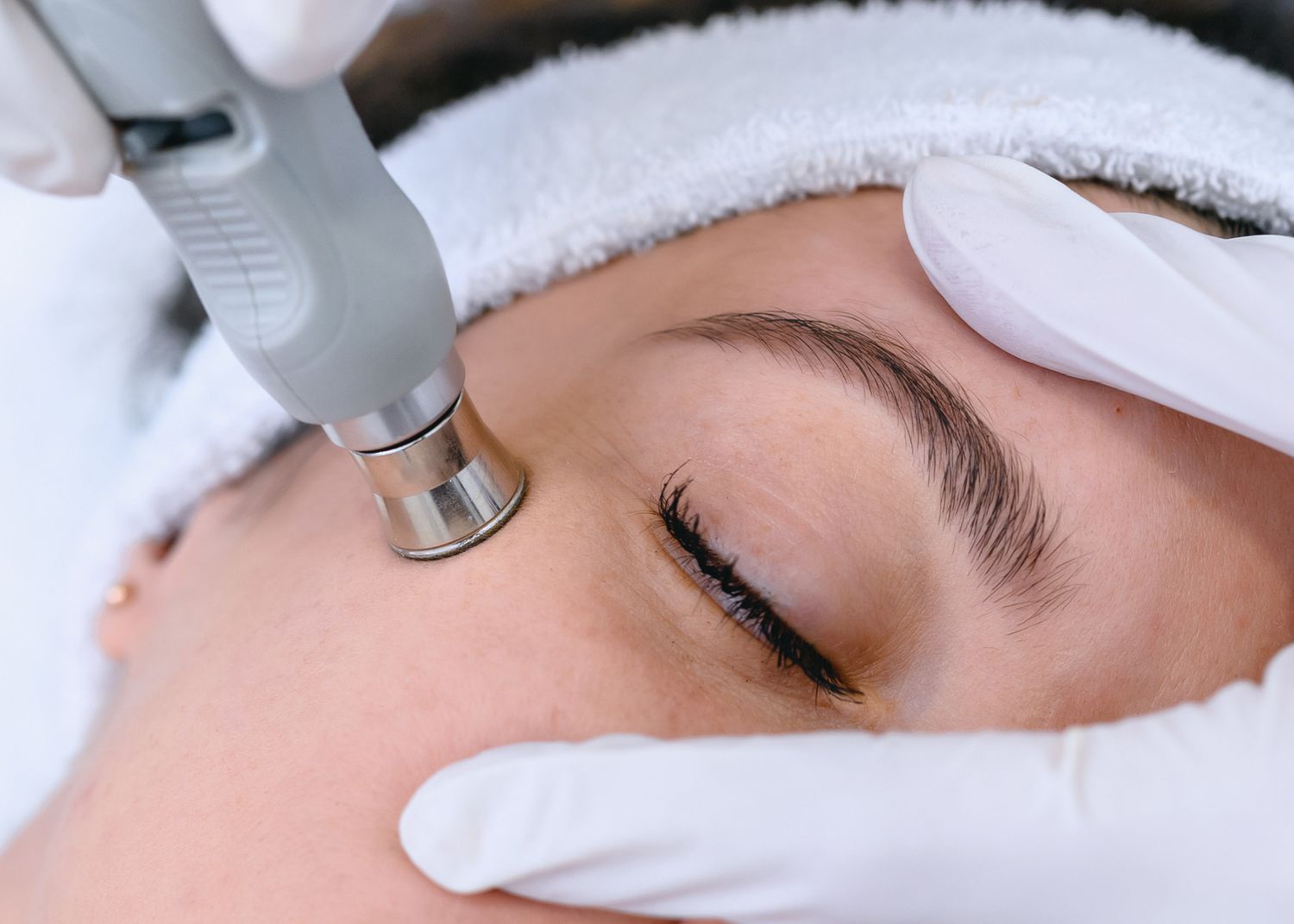
Use heat to tighten collagen and reduce fat. RF devices vary in depth and power. Best for mild sagging and small fat pockets; often combined with other treatments for improved contouring.
Injectable fat-dissolving agents (minimally invasive)
Deoxycholic acid injections cause localized fat breakdown and require a trained clinician for dosing and placement. Swelling and bruising are common; results become apparent after several weeks and may require multiple treatments.
Who is a good candidate and safety considerations
Ideal candidates are adults with a visible submental fat pad or mild-to-moderate skin laxity who want to avoid surgery. Contraindications include pregnancy, active infections in the treatment area, certain immune or bleeding disorders, or unrealistic expectations.
Regulatory oversight in the UAE requires clinics and practitioners to follow health authority licensing (e.g., Dubai Health Authority). Verification of practitioner credentials, device approvals, and adherence to infection-control protocols reduces risk. For device safety and procedural standards, consult professional dermatology and cosmetic surgery societies such as the American Society for Dermatologic Surgery: American Society for Dermatologic Surgery.
CLEAR checklist: a practical framework to choose a provider
Use the CLEAR checklist before treatment:
- Consultation: Confirm a medical assessment, photos, and documented plan.
- Licensing: Verify clinic and practitioner licenses and device approvals.
- Expectations: Request realistic timelines, before/after examples, and possible need for multiple sessions.
- Aftercare: Check availability of follow-up, emergency contacts, and written aftercare instructions.
- Risks & Costs: Get a written list of risks, typical side effects, and a clear breakdown of pricing.
Costs, sessions, and timeline
Prices in Dubai vary widely by clinic, device, and practitioner expertise. Expect single-session prices for non-invasive therapies to range from moderate to premium; many patients budget for 1–3 sessions plus follow-ups. Results typically appear over weeks to months as tissues remodel and fat is metabolized. Ask for an itemized quote and policy on revisions before booking.
Real-world scenario
Example: A 38-year-old professional in Dubai with a mild double chin opts for a combination approach. After a CLEAR checklist consultation, the practitioner recommends two cryolipolysis sessions spaced eight weeks apart plus one RF maintenance session at three months. The plan includes pre-treatment photos, instructions to avoid blood-thinning medications for a short period, and scheduled 6- and 12-week follow-ups. The result is moderate reduction in submental fullness with improved jawline definition and minimal downtime.
Practical tips
- Ask for medical before-and-after photos for the exact device and treatment area to set realistic expectations.
- Verify practitioner credentials and that the device is approved and maintained according to manufacturer guidelines.
- Plan treatments when a short period of swelling or bruising will not interfere with important events.
- Follow pre- and post-care instructions closely (hydration, sun protection, avoiding certain medications) to reduce side effects.
- Consider combination approaches for tougher cases: fat-reduction plus skin-tightening often produces better contouring than a single modality.
Common mistakes and trade-offs
Trade-offs are a key part of choosing a treatment:
- Non-invasive treatments have lower risk and downtime but usually offer subtler results than surgical neck-lift or liposuction.
- Cost vs. effectiveness: cheaper clinics or devices may reduce price but can add risk of inadequate results or complications.
- Overpromising expectations: claims of dramatic single-session transformations are often unrealistic; plan for staged treatment.
Common mistakes include skipping a medical consultation, choosing a provider based solely on price, and not verifying device maintenance or approvals. Injection-based options require meticulous technique—select a practitioner experienced in submental anatomy to avoid nerve or tissue injury.
How to evaluate results and when to escalate care
Allow the full recommended period (commonly 6–12 weeks) to assess outcomes. If results are minimal after the expected window, discuss alternative or complementary modalities, and consider referral to a board-certified plastic surgeon for surgical options. Persistent or worsening symptoms such as severe pain, infection signs, or sensory changes require prompt medical attention.
Core cluster questions
- How long do non-surgical double chin treatments last?
- What is the recovery time after HIFU for under-chin tightening?
- Can cryolipolysis be used safely on the chin area?
- How many sessions of RF are needed for chin contouring?
- What are realistic expectations for injectable fat-dissolving agents?
Final checklist before booking
- Confirm initial medical consultation and documented treatment plan.
- Obtain device name, practitioner qualifications, and facility licensing.
- Get a written cost breakdown, expected sessions, and aftercare instructions.
- Schedule follow-up visits and emergency contact details.
Frequently Asked Questions
What results can be expected from non-invasive double chin treatments Dubai?
Expect gradual improvement over weeks to months. Mild-to-moderate fat reduction and skin tightening are common; dramatic surgical-level changes are unlikely without invasive procedures.
Are non-invasive chin treatments painful and is there downtime?
Discomfort ranges from mild to moderate depending on modality; most patients return to work the same day. Temporary swelling, bruising, or numbness can occur.
How many sessions are typically needed?
Most non-invasive protocols recommend 1–3 sessions, spaced according to the device and the tissue response. A personalized plan with follow-up is essential.
Is the procedure safe for all skin types?
Many energy-based devices are safe across skin types, but device selection and settings should be adjusted by an experienced clinician to reduce risks like burns or pigmentation changes.
Are non-invasive double chin treatments Dubai covered by insurance?
Cosmetic procedures are typically not covered by health insurance. Confirm payment terms and any warranties with the clinic before proceeding.