How Coffee Packaging Drives Sales: Design, Strategy & Sustainability
-

- Published Updated
- 413 views
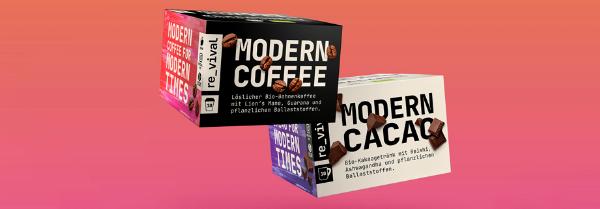
Introduction
Understanding coffee packaging marketing is essential for coffee brands that want to stand out on crowded shelves, communicate quality, and build repeat buyers. Packaging does more than protect beans: it is a physical marketing channel that signals origin, craft, sustainability, and convenience. This guide explains how packaging choices affect perception and sales, and offers a practical framework for decisions.
Detected intent: Informational
Primary focus: How packaging influences marketing outcomes and what actions producers can take now. Includes the PACKS Framework, a short real-world scenario, practical tips, and common mistakes to avoid.
Why packaging matters in coffee packaging marketing
Packaging is the first physical interaction between a customer and a coffee brand. It affects perceived freshness (valve and barrier properties), perceived quality (finish, typography, and imagery), and functional satisfaction (resealability, pour spouts). Good packaging can convert browsers into buyers and support higher lifetime value by enabling consistent freshness and brand recognition across channels—retail shelves, subscription boxes, and online storefronts.
The PACKS Framework: a practical model for packaging decisions
Use the PACKS Framework to structure packaging strategy and avoid ad-hoc choices:
- Purpose — Define product positioning (specialty, single-origin, instant, espresso blend).
- Audience — Map customer segments and purchase contexts (gift vs. daily use, retail vs. subscription).
- Communication — Decide what the package must say (origin story, tasting notes, certifications, sustainability claims).
- Kit & Kinetics — Choose functional elements: barrier materials, degassing valve, zipper, pour spout, label adhesion.
- Sustainability & Standards — Evaluate recyclability, compostability, and compliance with food contact regulations.
Applying this framework reduces trade-offs and aligns design, production, and marketing teams around measurable goals.
Sustainable coffee packaging benefits and regulatory considerations
Claims about recyclability or compostability can influence purchase decisions, but they require thought to avoid greenwashing. Consider supply-chain impacts, end-of-life infrastructure, and material performance. For food-contact safety and labeling best practices, consult official guidance from regulators such as the U.S. Food and Drug Administration: FDA food packaging guidance.
Design elements that convert: coffee packaging design tips
Design combines visual language and usable features. Key coffee packaging design tips:
- Lead with a clear hierarchy: brand mark, roast or origin, tasting notes, and grind/preparation guidance.
- Use finishes and textures to communicate quality—matte or soft-touch for craft, glossy for mainstream.
- Include functional cues: resealable zips, degassing valves, and transparent windows for authenticity.
- Embed traceability with QR codes that link to roast date, sourcing stories, or brew guides.
- Test legibility at shelf distance—tiny text for mandatory info, large type for the selling message.
Real-world example: a small roaster's packaging pivot
A regional specialty roaster moved from a plain kraft pouch to a redesigned bag that highlighted single-origin photos, roast date, and a resealable zipper. The label added a QR-coded tasting guide and a short supply-chain note. The new package improved shelf visibility and made the product easier for subscription fulfillment, supporting stronger repeat purchase behavior and clearer brand positioning in retailers.
Trade-offs and common mistakes
Trade-offs to consider
- Barrier performance vs. recyclability: Fully recyclable films often have weaker moisture/oxygen barriers than multi-layer films.
- Cost vs. premium features: Embossing or specialty inks elevate perceived quality but increase unit cost and minimum order quantities.
- Uniqueness vs. shelf clarity: Highly artistic designs can look great online but fail to read quickly on crowded retail shelves.
Common mistakes
- Neglecting functional testing—poor zipper seals or valves that clog undermine repeat purchase.
- Overloading copy—customers need the decision-driving facts up front (origin, roast level, grind).
- Making unsupported sustainability claims—always verify with suppliers and documentation.
Practical implementation checklist
Before production, run this compact checklist:
- Confirm barrier and valve specs match intended shelf life.
- Validate print color accuracy on final material (not just proofs).
- Test reseal performance across multiple cycles.
- Review legal labeling needs for claims and allergens.
- Estimate end-of-life scenario and add clear disposal instructions.
Practical tips for small roasters and brands
- Start with small production runs or sample orders to test material and design before scaling.
- Use clear roast dates and simple brew guidance to increase consumer confidence and reduce returns.
- Prioritize a single, memorable selling point per SKU—origin story, roast profile, or sustainability.
Measuring the impact of packaging on marketing goals
Link packaging changes to measurable outcomes: on-shelf conversion, online click-throughs (QR/landing page analytics), repeat purchase rate, and return rate. A/B testing in retail (place two different designs on equivalent fixtures) or running limited-time packaging versions in e-commerce can produce actionable insight without a full redesign investment.
Core cluster questions
- How does sustainable packaging affect consumer choice for coffee?
- What packaging materials best preserve coffee freshness?
- How to design coffee packaging for retail vs. subscription channels?
- What labeling requirements exist for roasted coffee products?
- How to test packaging prototypes before full production?
FAQ
What is coffee packaging marketing and why does it matter?
Coffee packaging marketing is the use of packaging design, materials, and messaging to influence purchase decisions and brand perception. It matters because packaging serves both functional needs (freshness, protection) and marketing goals (visibility, storytelling, trust), directly affecting sales and customer retention.
How can sustainable coffee packaging benefits be communicated without greenwashing?
Communicate specific, verifiable claims (material type, third-party certifications, end-of-life instructions) and link to supplier documentation or lifecycle statements. Avoid vague phrases like "eco-friendly" without evidence, and include clear disposal instructions for customers.
What are basic coffee packaging design tips for better shelf performance?
Use high-contrast typography, a single visual focal point, clear roast and origin labels, and functional cues like reseal indicators. Test labels at typical shelf viewing distance and ensure mandatory text remains legible.
How to balance barrier performance and recyclability when choosing materials?
Weigh the required shelf life against available recycling infrastructure. Consider hybrid approaches such as recyclable mono-material films or offering refill programs. Document the trade-offs and communicate them transparently to consumers.
How should packaging communicate roast date, grind, and brewing guidance?
Display roast date prominently near the front, include grind options and recommended brew methods on the back, and add a QR code for expanded brewing content. Clear, concise guidance reduces confusion and supports the customer's brewing success.