Group Fitness Classes West Ryde: Health Benefits, Social Perks & How to Start
-

- Published Updated
- 640 views

Why this matters: group fitness classes West Ryde and community health
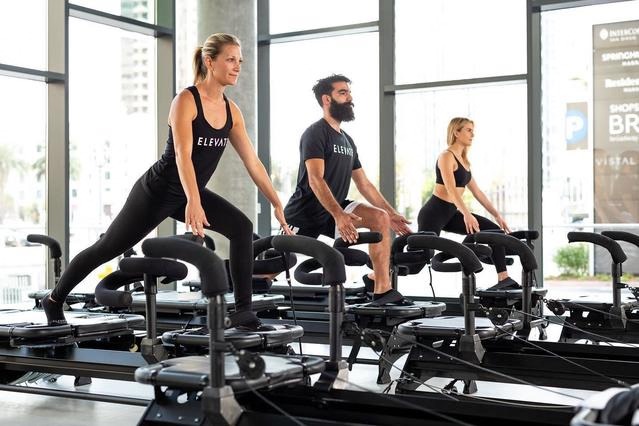
Joining group fitness classes West Ryde delivers reliable health benefits and social rewards that are easier to maintain than solo workouts. Residents who attend classes report better consistency, clearer goals, and more social connection—factors linked to improved cardiovascular health, stronger mental wellbeing, and higher long-term activity levels.
Intent: Informational
How group fitness improves health and wellbeing
Group sessions combine structured exercise programming, instructor oversight, and peer support—ingredients that raise adherence and intensity safely. Typical gains include improved aerobic capacity, muscular strength, flexibility, and mental health outcomes such as reduced anxiety and improved mood. These outcomes align with national physical activity targets and are supported by health guidelines from authoritative sources such as the Australian Department of Health (physical activity guidelines).
Social benefits of group exercise
Classes create built-in accountability and social interaction. Regular attendees report higher perceived social support, increased motivation, and a stronger sense of belonging. For suburbs like West Ryde—where community centres, parks, and local gyms host a variety of classes—these social bonds can also connect participants to other local services and events, reinforcing social cohesion.
Health benefits of group training: what to expect
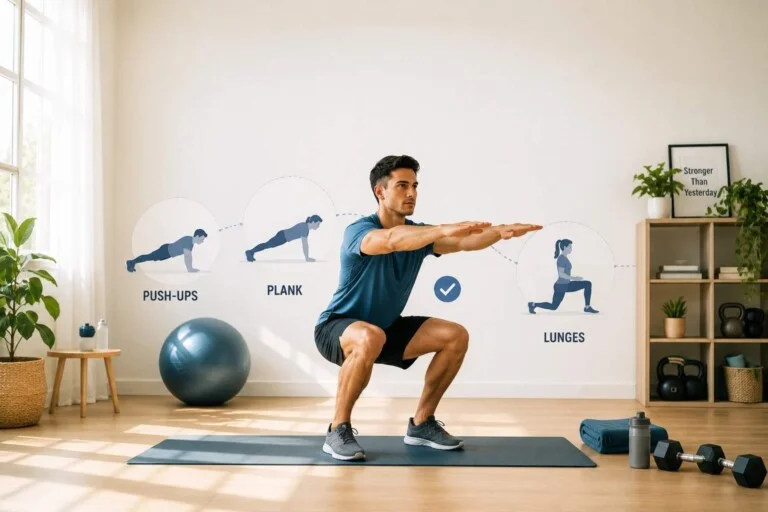
Group training often mixes cardio (HIIT, spin), resistance (bodyweight, kettlebell), and mobility work (yoga, Pilates). Expect measurable improvements in: resting heart rate, endurance, strength, balance, and mental resilience. For older adults, group classes that include balance and strength exercises reduce fall risk and support independence.
FITT + PAR-Q checklist for choosing a class
Use this named framework to evaluate options quickly:
- Frequency: How many sessions per week are needed to meet goals?
- Intensity: Is the class scalable for beginner, intermediate, and advanced levels?
- Time: Does session length fit the schedule (20–60 minutes common)?
- Type: Cardio, strength, flexibility, or mixed—select based on primary goals.
- PAR-Q: Complete a Physical Activity Readiness Questionnaire to flag medical concerns—seek professional clearance if needed.
Short real-world example
A 45-year-old West Ryde resident with a busy work schedule joined a midweek 45-minute circuit class at a community centre. Within eight weeks the participant reported increased energy, a 10% improvement in a timed 5-minute step test, and new local friendships that made weekend walks more regular. The combination of scheduled classes and peer encouragement improved consistency more than attempting solo workouts before or after work.
Practical tips to get started
- Try 2–3 different class formats in the first month to find a sustainable fit—look for instructor experience and class scalability.
- Book a trial or drop-in session, and arrive 10–15 minutes early to explain any health concerns to the instructor.
- Prioritise consistency: aim for at least 150 minutes of moderate activity per week (or 75 minutes vigorous), broken across multiple group sessions.
- Bring a small recovery kit (water bottle, towel, simple snacks) and track sessions in a calendar to build habit cues.
Trade-offs and common mistakes
Trade-offs
Group classes are efficient for motivation and structure but may offer less individualisation than one-on-one training. High-energy formats (e.g., bootcamp, HIIT) produce quick fitness gains but increase injury risk if progression is rushed. Slower formats (yoga, Pilates) support mobility and recovery but may require additional resistance work to build strength.
Common mistakes
- Choosing a class solely on popularity rather than personal goals—popularity does not equal the right match for strength or mobility needs.
- Skipping baseline screening—ignoring PAR-Q or pre-existing conditions increases risk.
- Neglecting recovery—too many high-intensity group sessions without adequate rest raises overtraining and injury risk.
Core cluster questions
- What are the best group fitness formats for beginners?
- How often should adults attend group fitness classes for health benefits?
- Which community centres in suburbs like West Ryde offer accessible group classes?
- How to modify group workouts for knee or back pain?
- What should one ask an instructor before joining a group class?
Local considerations for West Ryde
Evaluate venue features such as class schedule flexibility, parking or transit access, instructor qualifications, and the age range of typical attendees. Local community centres and Ryde Council-managed facilities often provide discounted or subsidised programs that improve accessibility. Look for classes that explicitly state modifications and progressive options to reduce injury risk and accommodate different fitness levels.
Measuring progress
Track consistency, perceived exertion, and simple performance metrics: timed walks or runs, number of push-ups, or balance holds. Reassess every 6–8 weeks and adjust class frequency or format according to progress and recovery.
FAQ
Are group fitness classes West Ryde suitable for beginners?
Yes. Many classes offer beginner-friendly options or progressive scaling. Check class descriptions for "beginners welcome" or ask the instructor about modifications before starting.
How do group classes compare with solo exercise for weight loss?
Group classes often improve adherence, which is a key driver of weight-loss success. The structured environment makes consistent calorie burn and progressive overload easier than unsupervised routines, but combining group sessions with dietary adjustments yields the best results.
Can older adults benefit from group training?
Absolutely. Classes that emphasize strength, balance, and mobility reduce fall risk and support functional independence. Choose instructors experienced with older adult programming and verify that classes include safe progressions.
What should be included in a pre-class screening?
Complete a PAR-Q or similar screening, disclose recent injuries or chronic conditions, and mention medications that affect heart rate or balance. Instructors can then offer appropriate modifications.
How to find affordable community group fitness options in West Ryde?
Search community centres, Ryde Council programs, and local community noticeboards for subsidised classes. Many councils list offerings online and sometimes provide concessions—contact centres directly to confirm prices and trial offers.