How to Choose the Perfect Wedding Ring: Practical Guide and Checklist
-

- April 29th, 2026
- 407 views

Get a free topical map and start building content authority today.
Choosing a wedding ring is both a practical decision and an emotional milestone. The right band should match daily life, budget, and personal style while offering durability and serviceability for decades. This guide covers materials, sizing, budget trade-offs, a named selection checklist, and clear tips to make the decision confidently.
Detected intent: Informational
Quick takeaways: prioritize fit and metal choice first; choose a style that complements an engagement ring (if applicable); verify hallmarks and warranty; plan for resizing and maintenance.
Core cluster questions (for further reading or internal link targets):
- How to measure ring size accurately at home?
- Which wedding ring metals are hypoallergenic?
- How does ring width affect comfort and appearance?
- What are the maintenance needs for different ring materials?
- When is it worth paying more for a premium metal?
Choosing a wedding ring: key decisions
Start by clarifying three facts: daily activities (desk job vs. hands-on work), whether the ring must match an engagement ring, and a firm budget. These anchor decisions inform material selection, finish, width, and the need for gemstones or engraving.
Material options and what they mean for wear
Common metals and alloys
Gold (14K and 18K), platinum, palladium, titanium, and tungsten carbide are common choices. Each has trade-offs in hardness, weight, color, cost, and resizeability. For example: platinum is dense, hypoallergenic, and holds gemstones well but costs more; 14K gold is more affordable and harder than 18K; tungsten is extremely scratch-resistant but often cannot be resized.
Gemstones and settings
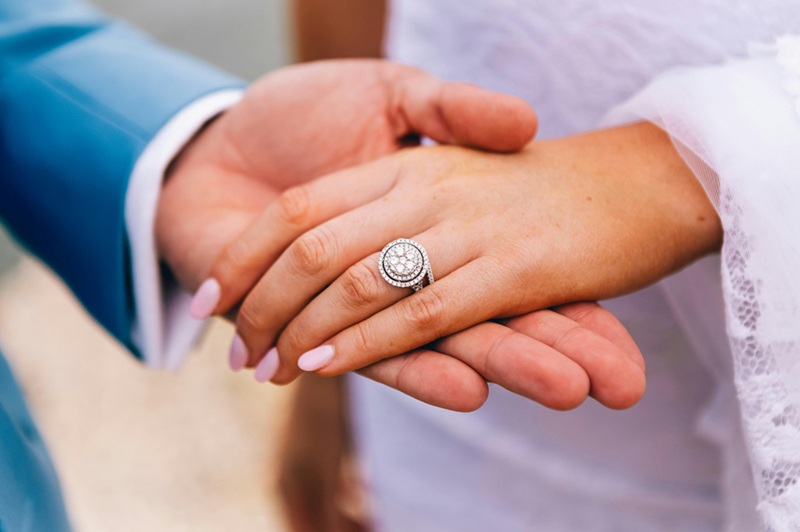
When adding diamonds or other stones, consider setting type: bezel and channel settings protect stones better for active wear; prong settings show more stone but need occasional tightening. For diamonds and gemstones, consult independent grading and quality resources — for diamond grading basics and responsible buying practices, see the Gemological Institute of America guidance (GIA buying diamonds).
RINGS checklist: a simple framework for decision-making
Use the RINGS checklist before purchase:
- R — Ring style and compatibility: match metal and proportions with existing jewelry.
- I — Investment and budget: set an absolute maximum and research trade-offs (e.g., platinum vs. 18K gold).
- N — Non-allergenic concerns: verify nickel content, choose hypoallergenic alloys if needed.
- G — Gemstone and grading: choose setting for activity level and review grading reports for diamonds.
- S — Sizing, service, and safeguards: confirm resize policy, warranty, and engraving options.
Practical sizing and comfort
Ring width, profile, and finish affect comfort as much as size number. A comfort-fit band has a rounded interior and often feels half a size looser than a flat profile. For ring sizing tips, measure at the end of the day when fingers are warm and avoid relying on cheap paper gauges for final purchase sizing.
Common mistakes and trade-offs
Typical errors include choosing the wrong width for hand proportions, selecting an unresizable material when uncertain about long-term fit, and prioritizing current trends over daily practicality. Trade-offs to consider:
- Durability vs. resizeability: harder metals like tungsten resist scratches but usually cannot be resized; softer metals like gold are easier to alter.
- Cost vs. longevity: platinum costs more upfront but resists wear differently and may require less frequent replating than white gold.
- Appearance vs. maintenance: brushed or matte finishes hide scratches but can’t be polished back to a mirror finish without changing surface characteristics.
Real-world example
Scenario: One partner works in construction and needs a durable band; the other prefers a slim, elegant ring to complement an engagement ring. A practical solution is a two-band approach: a hard, scratch-resistant metal (titanium or a comfort-fit gold alloy) for the active partner, and a narrower 14K gold band with a low-profile bezel-set diamond for the other. Both choices adhere to the RINGS checklist: style compatibility, budget limits, hypoallergenic metals, secure settings, and confirmed resize policies.
Practical tips before buying
- Get professionally sized by a trusted jeweler using a mandrel; record the size and note differences between dominant and non-dominant hand.
- Ask about hallmarks and metal certificates for gold and platinum to confirm authenticity and karat.
- Confirm resize policy and cost before purchase—some metals and finishes limit options or add fees.
- Choose a finish that suits lifestyle: high-polish requires more upkeep; brushed or hammered finishes hide daily wear better.
- Consider a warranty or inspection plan that includes prong tightening and cleaning at least once a year.
Budgeting and long-term care
Set a clear budget and prioritize features (metal, width, stones) to avoid overspending. Reserve part of the budget for maintenance: polishing, replating (for white gold), and occasional resizing. Keep receipts and warranty documents in a safe place and register any serial numbers or hallmarks with the retailer if offered.
Ring shopping process: step-by-step
1. Narrow styles and materials
Filter by comfort, metal allergy, and whether the band must match an engagement ring.
2. Confirm size and fit
Get a professional sizing. If between sizes, prefer the larger size for warm weather and swelling, and account for ring profile.
3. Compare warranties and policies
Choose a seller with clear resizing, repair, and buyback or upgrade policies. Verify inspection intervals and fees.
4. Finalize engraving and service plan
Decide on engraving (depth and placement affect future resizing) and plan a maintenance schedule.
Common questions (FAQ)
How can choosing a wedding ring balance durability and comfort?
Balance by selecting a metal with the right hardness for daily activity and a comfort-fit profile. For active lifestyles, prioritize scratch-resistant metals and protective settings; for frequent resizing, choose softer, more malleable metals like gold.
What are the best ring sizing tips to avoid mistakes?
Measure finger size at the end of the day, avoid sizing when cold, and use a jeweler’s mandrel rather than paper sizers. When in doubt, choose a slightly larger size and refine later—many metals can be resized more easily than others.
Which metals are hypoallergenic for sensitive skin?
Pure platinum and high-purity gold alloys (with low nickel) are generally hypoallergenic. Titanium and palladium are also well-tolerated. Verify alloy content and ask for nickel-free guarantees if allergies are a concern.
How does the RINGS checklist help in choosing a wedding ring?
The RINGS checklist simplifies decision-making by covering style compatibility, budget, allergy concerns, gemstone considerations, and resizing/service needs—steps that reduce buyer’s remorse and unexpected limitations after purchase.
Does choosing a wedding ring require buying an engagement ring match?
Matching is optional. Many couples choose complementary metals and profiles, but mixing metals and widths is acceptable and common. Prioritize comfort, durability, and whether stacks will sit flush if a match is desired.