How to Buy Curtains for Your Home: Fit, Fabric & Function
-

- March 03rd, 2026
- 353 views

Get a free topical map and start building content authority today.
Introduction
Choosing window coverings affects light, privacy, energy use, and room style. This guide on buying curtains for your home explains the practical steps to measure, select fabrics, and match hardware so the finished result looks intentional and performs as needed.
Detected intent: Informational
Measure accurately, decide the primary function (light control, privacy, insulation, or style), choose an appropriate fabric and lining, confirm rod and hanging type, and follow a simple checklist to avoid common mistakes.
Buying Curtains for Your Home: Key decisions
Start by defining the curtain's purpose. Is the priority light control, thermal performance, privacy, noise reduction, or decoration? The answer narrows choices of curtain style, lining, and mounting. Consider room orientation, window type (single hung, casement, picture), and whether blackout capability or thermal lining is needed.
Measure, Mount, and Desired Look
Measure windows like a pro
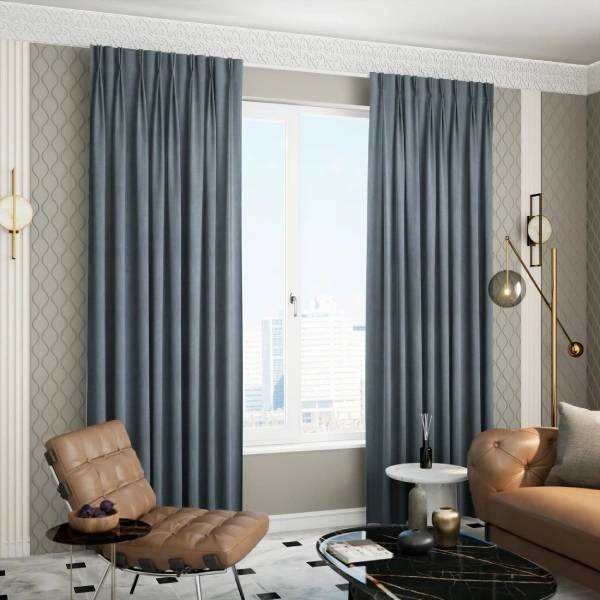
Measure width and height from the rod or desired mounting point. For a fuller look, allow 1.5–3× the window width for curtain panels. For length, decide whether curtains will puddle (extra 2–6 inches on the floor) or hover (stop 1/2" above the floor). Always measure at three points for height and width and use the smallest value when cutting.
Mounting and hardware
Mount the rod 4–8 inches above the window frame for standard rooms; higher placement makes ceilings feel taller. Extend the rod 3–12 inches beyond each side of the frame to allow the curtains to fully clear the window when open. Select rod strength based on panel weight and track vs. rod based on preferred operation and look.
Fabrics, Lining, and Function
Fabric choices and where to use them
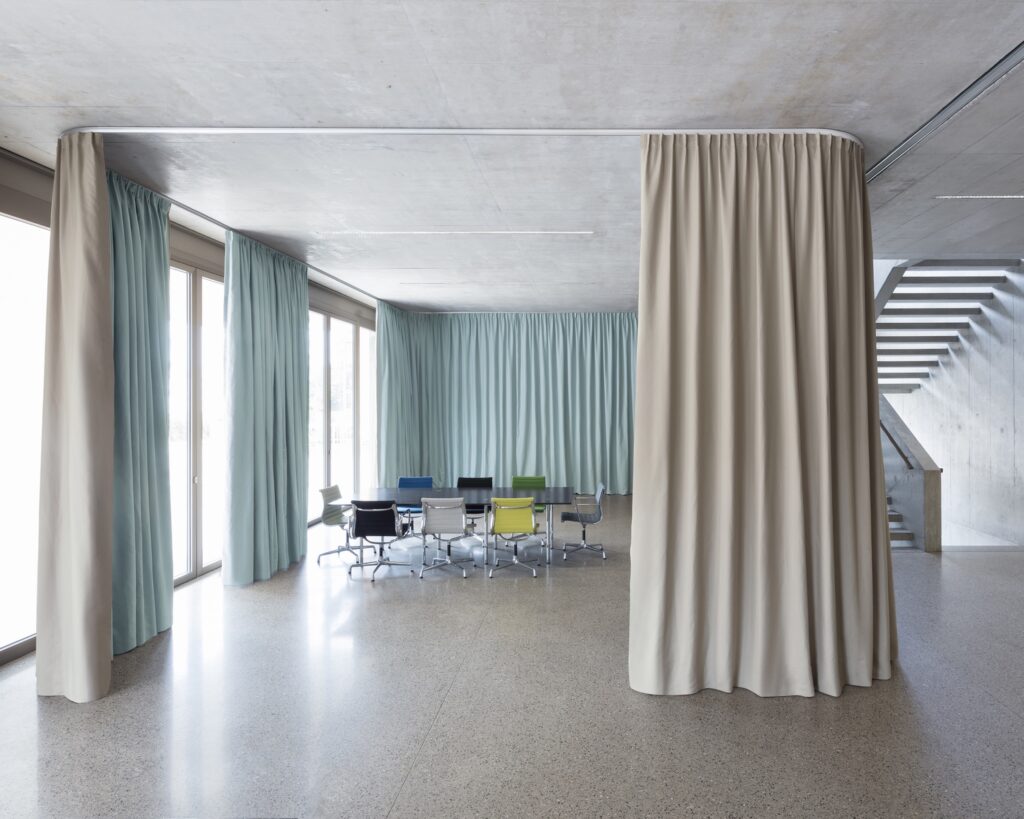
Natural fibers (cotton, linen) provide a soft drape for living rooms; heavier weaves (velvet, twill) block light and insulate well for bedrooms. For rooms that require very dark conditions, consider blackout interlining or heavyweight fabrics. The phrase best curtain fabric for living room often points to medium-weight cotton blends or linen-look polyesters that resist wrinkling and clean easily.
Blackout curtains and insulation
Blackout curtains for bedroom windows often combine a dense face fabric with an opaque lining, and sometimes an added thermal interlining for energy savings and improved sound dampening. For documented energy-saving strategies related to window treatments, see the Department of Energy guidance on window coverings (energy.gov).
CLEAR Curtain Selection Checklist
Use this named checklist to make consistent decisions:
- Coverage — How much of the window must be covered for privacy and light control?
- Light control — Full blackout, room darkening, or sheer diffusion?
- Aesthetics — Style, color, pattern, and pleat type to match room decor.
- Energy efficiency — Lining, interlining, and mounting to reduce heat loss/gain.
- Rod compatibility — Hardware that supports the panel weight and operation.
Practical example: South-facing living room
Scenario: A south-facing living room overheats in summer and fades furnishings. Solution: choose medium-weight, light-reflective fabric with a thermal interlining and neutral lining on the sun-facing side. Mount rods wider than the window so curtains can stack back and fully expose the window when sunlight isn’t a problem. Add UV-protective sheer layers for daytime privacy without blocking daylight.
Practical tips
- Always buy or cut panels wider than the visible window — curtains look best at 1.5–3× fullness.
- Match lining to function: no lining for decorative-only curtains; thermal or blackout lining for bedrooms and sun-exposed rooms.
- Install mounting hardware into studs or use appropriate anchors for heavy panels to avoid sagging.
- Consider layered treatments: sheers for light diffusion plus heavier panels for privacy and insulation.
- Test fabric samples in the actual room light before committing to full panels.
Trade-offs and common mistakes
Trade-offs to consider
Heavier fabrics improve insulation and durability but cost more and need sturdier hardware. Sheer fabrics are inexpensive and brighten rooms but provide minimal privacy and insulation. Blackout solutions block light effectively but can make rooms feel smaller or darker if used ubiquitously.
Common mistakes
- Buying curtains by eye without measuring — results in panels that are too short or narrow.
- Using lightweight hardware for heavy drapery — causes sag and misalignment.
- Ignoring lining needs — leads to poor thermal performance and rapid fabric fading.
- Matching curtains only to the furniture color without considering scale and patterns.
Core cluster questions
- How to measure windows correctly for curtain panels?
- What fabric is best for curtains in a living room with pets?
- How much fullness should curtains have for a formal vs. casual look?
- When should blackout curtains be used instead of room-darkening options?
- What hardware is required for heavy drapery vs. sheer panels?
Maintenance and shopping checklist
Before purchasing, confirm the following: accurate measurements, panel fullness, lining type, rod length and weight rating, return policy for custom work, and fabric care instructions (machine wash, dry clean, spot clean).
Where to buy and what to expect
Retail options include ready-made panels, custom made-to-measure services, and custom sewing from local fabricators. Ready-made is cost-effective for standard windows; custom is worth the investment for odd sizes, special fabrics, or precise styling needs.
FAQ
How do I start buying curtains for my home?
Begin by measuring the window and deciding the curtain’s main function: light control, privacy, insulation, or style. Use the CLEAR checklist to confirm requirements and select fabric, lining, and hardware accordingly.
What is the best curtain fabric for living room use?
Medium-weight cotton blends or linen-look polyesters balance drape, light filtering, and easy maintenance for most living rooms.
Are blackout curtains necessary for bedrooms?
Blackout curtains are recommended for bedrooms that need complete darkness — useful for shift workers, bright urban streets, or early summer sun. Room-darkening options are sufficient where full blackout is not required.
How should curtains be measured for length?
Measure from the rod or desired mounting point to the floor. Decide on the finish: puddle (extra 2–6 inches), floor-length (touching), or hover (1/2" above floor). Measure at three points and use the smallest height to avoid dragging in uneven floors.