Healthy Lifestyle Habits: Practical Guide to Daily Routines and Sustainable Change
-

- Published Updated
- 758 views
Establishing healthy lifestyle habits is the most reliable way to protect physical and mental wellbeing over the long term. This guide explains what healthy lifestyle habits are, why they matter, and how to design daily healthy routines that fit real life and produce measurable benefits.
Intent: Informational
Core takeaway: Focus on a small set of consistent daily healthy routines that address nutrition, movement, sleep, stress, and social connections. Use the H.E.A.L.T.H. checklist to plan and measure progress.
Primary keyword: healthy lifestyle habits
Healthy lifestyle habits: core principles
Healthy lifestyle habits reduce risk for chronic disease, support mood and cognitive function, and make daily energy more reliable. The most effective habits are specific, measurable, sustainable, and aligned with personal priorities. This section defines key domains and shows how they relate to outcomes like blood pressure, metabolic health, and sleep quality.
Key domains of a healthy lifestyle
- Nutrition — balanced meals, appropriate portioning, and regular intake of vegetables, whole grains, lean proteins, and healthy fats.
- Physical activity — consistent daily movement plus structured exercise for strength and cardiovascular fitness.
- Sleep — regular schedule, sufficient duration, and sleep hygiene to improve recovery and cognition.
- Stress management — practical actions to lower chronic stress and maintain resilience.
- Social and purpose — meaningful relationships and activities that support wellbeing.
Daily healthy routines: a practical blueprint
Daily healthy routines translate broad goals into repeatable actions. Use this blueprint to build a week-by-week plan that leads to measurable changes.
H.E.A.L.T.H. checklist (named framework)
The H.E.A.L.T.H. checklist is a simple planning tool to use every day:
- Hydration — 1–2 liters of water spread across the day (adjust for activity levels).
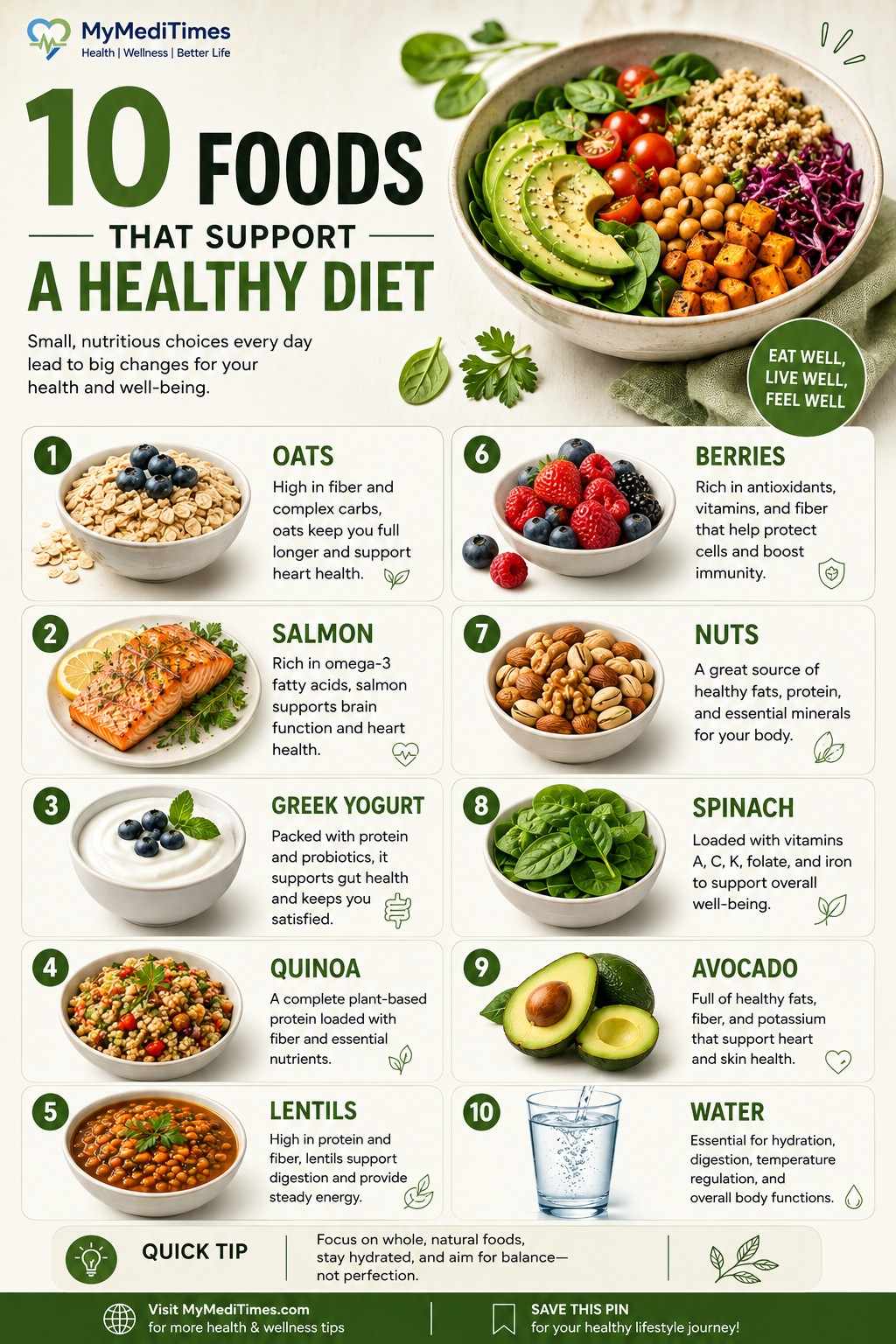
- Eating with balance — include a vegetable or fruit at each meal and aim for whole-food choices over processed options.
- Activity — 30 minutes of movement per day (can be split) plus two weekly strength sessions.
- Light and sleep — morning daylight exposure, evening screens reduced, consistent wake/bedtime.
- Tension management — short breathing breaks, progressive muscle relaxation, or a daily 10-minute mindfulness exercise.
- Human connection — at least one meaningful social contact daily (call, chat, or face-to-face).
Example weekly structure
Plan: 5 days of mixed movement (walking, cycling, or yoga), 2 strength sessions (bodyweight or weights), and one longer outdoor activity on weekends. Pair this with consistent meal planning and sleep scheduled within a 7–9 hour target window.
How to implement sustainable lifestyle changes
Sustainable lifestyle changes are the result of gradual habit formation, environment design, and measurement. Start with one or two routines from the H.E.A.L.T.H. checklist, then scale. The goal is not perfection but steady improvement.
Practical steps to start
- Choose one habit to add and one to remove (e.g., add a 10-minute morning walk; remove sugary drinks at lunch).
- Make the new habit obvious by scheduling it on the calendar and pairing it with an existing routine (habit stacking).
- Set a simple measurement: days completed per week, minutes of activity, or servings of vegetables.
- Review weekly and adjust: if performance stalls, reduce the initial target to make it sustainable.
Evidence-based anchor
For physical activity, refer to public health guidance such as the CDC physical activity basics to align daily movement with proven thresholds for health benefits.
Practical tips to build and keep healthy routines
- Start with micro-habits: 5–10 minutes is better than waiting to do a full hour.
- Use environment cues: place workout clothes where they are visible; keep fruit on the counter.
- Track progress visually: a simple checklist or habit tracker increases adherence.
- Prioritize consistency over intensity: daily low-intensity movement beats sporadic intense sessions for long-term adherence.
Real-world example
Scenario: A busy professional aims to lower midday fatigue and improve mood. Week 1 focuses on hydration and a 10-minute midmorning walk. Week 2 adds a vegetable to lunch and a 20-minute evening wind-down routine. By week 6, energy reports improve and sleep onset becomes faster. The plan scaled gradually to 30 minutes of daily movement and two 20-minute strength sessions per week.
Trade-offs and common mistakes
Common mistakes
- Trying to change too many behaviors at once leads to burnout. Start small.
- Neglecting measurement: without simple tracking, progress becomes invisible.
- Setting unrealistic targets based on others’ routines rather than personal constraints.
Trade-offs to consider
Time vs. quality: 15–30 minutes of moderate activity most days is a strong ROI; spending excessive time on complex meal prep may reduce consistency. Personalization vs. guidelines: public recommendations give useful targets, but individual health conditions or schedules require adaptation.
Core cluster questions for internal linking
- How to create a daily routine that supports long-term health?
- Which foods are best for consistent energy throughout the day?
- What strength-training schedule fits a busy week?
- How does sleep timing affect weight and mood?
- What are simple stress-reduction techniques that work in five minutes?
Measuring progress and when to adjust
Use 3–6 week blocks to evaluate whether a habit is sticking. Track simple metrics: days completed, minutes moved, servings of vegetables, sleep hours, and subjective energy. If a habit consistently fails, reduce the goal or change the trigger rather than abandoning the behavior entirely.
How to build healthy lifestyle habits that stick?
Focus on one habit at a time, use environmental cues, set measurable and achievable targets, and review progress weekly. Reward consistency and make small, incremental increases after a habit stabilizes.
How many daily healthy routines are enough?
Start with 2–4 core routines from the H.E.A.L.T.H. checklist and expand. Consistency across these domains yields more benefit than completing many routines sporadically.
How quickly do healthy lifestyle habits produce results?
Some changes—like improved sleep quality or mood—can appear in 1–3 weeks. Cardiometabolic improvements often require 6–12 weeks of consistent behavior. Use short-term wins to maintain motivation while tracking long-term markers.
Can small changes really prevent chronic disease?
Yes. Incremental improvements in activity, diet, sleep, and stress management reduce risk factors such as elevated blood pressure, high blood sugar, and poor lipid profiles. Public health bodies and clinical research support the cumulative effect of small, sustained changes.
Where to get more credible guidance?
Consult national health agencies or clinical providers for personalized plans, especially when managing chronic conditions or medications.