Practical At-Home Teeth Whitening Guide: Safe Methods, Steps, and Tips
-
- March 20th, 2026
- 564 views
At-home teeth whitening is a practical way to reduce surface stains and brighten smiles without an immediate dental-office visit. This guide explains how common products work, which stains respond best, and safe, step-by-step routines to get noticeable results while minimizing sensitivity.
- Primary focus: at-home teeth whitening methods that are safe and effective when used correctly.
- Key trade-offs: potency vs sensitivity, convenience vs precision, cost vs longevity.
- When in doubt: follow the SAFE Whitening Checklist and consult a dental professional for underlying dental issues.
Detected intent: Informational
Core cluster questions (use as internal links):
- How long do at-home whitening results last?
- Which whitening method causes the least sensitivity?
- Can tooth enamel be permanently damaged by overuse?
- How do tray-based systems compare with whitening strips?
- What home remedies are safe and which should be avoided?
At-Home Teeth Whitening: How It Works
At-home teeth whitening works primarily by using bleaching agents — hydrogen peroxide or carbamide peroxide — to break down pigmented molecules in enamel and dentin. Most over-the-counter products use lower concentrations than professional treatments; they are effective on extrinsic stains (coffee, tea, tobacco) but have limited impact on intrinsic discoloration caused by medication or trauma. Understanding the chemistry helps set realistic expectations and reduces misuse that can increase sensitivity or uneven shade changes.
Common At-Home Options and How They Differ
Options vary by delivery method, whitening agent concentration, and contact time. Typical categories include:
- Whitening strips — convenient, fixed-dosage peroxide applied directly to front teeth; good for mild, even staining.
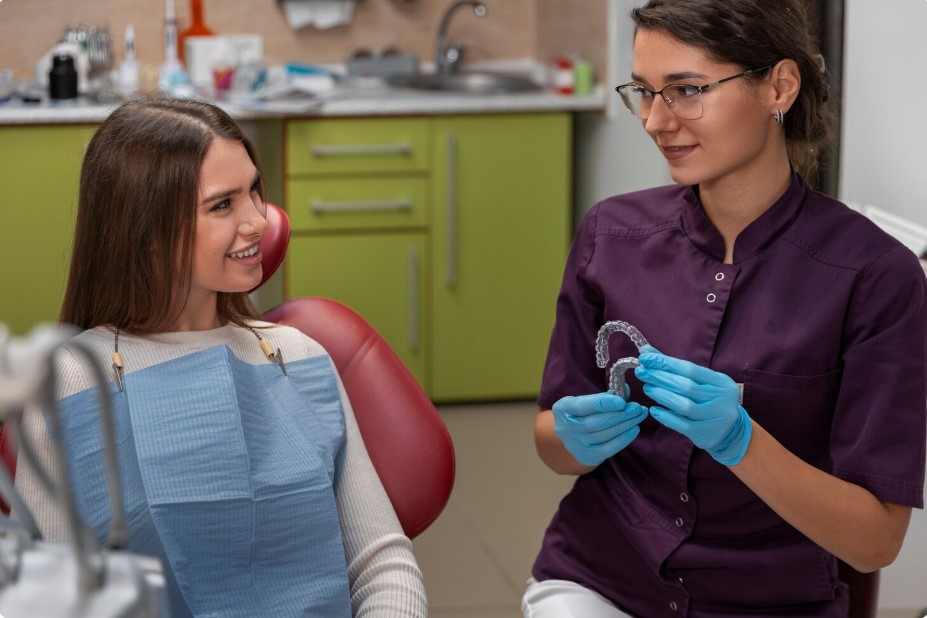
- Tray-based systems — custom or boil-and-bite trays filled with gel; allow longer contact time and more uniform coverage.
- Whitening toothpaste and gels — abrasives and low-concentration peroxide for maintenance rather than dramatic change.
- Natural teeth whitening methods — baking soda or activated charcoal are sometimes used for surface stain removal but can be abrasive and should be used cautiously.
Choosing between whitening strips, trays, and teeth whitening trays at home
Tray-based systems generally provide more even whitening because the gel contacts tooth surfaces continuously. Strips are simpler for front teeth but may miss the sides and molars. Consider lifestyle, tolerance for daily routine, and sensitivity history when selecting a method.
Safety, Timing, and When to See a Dentist
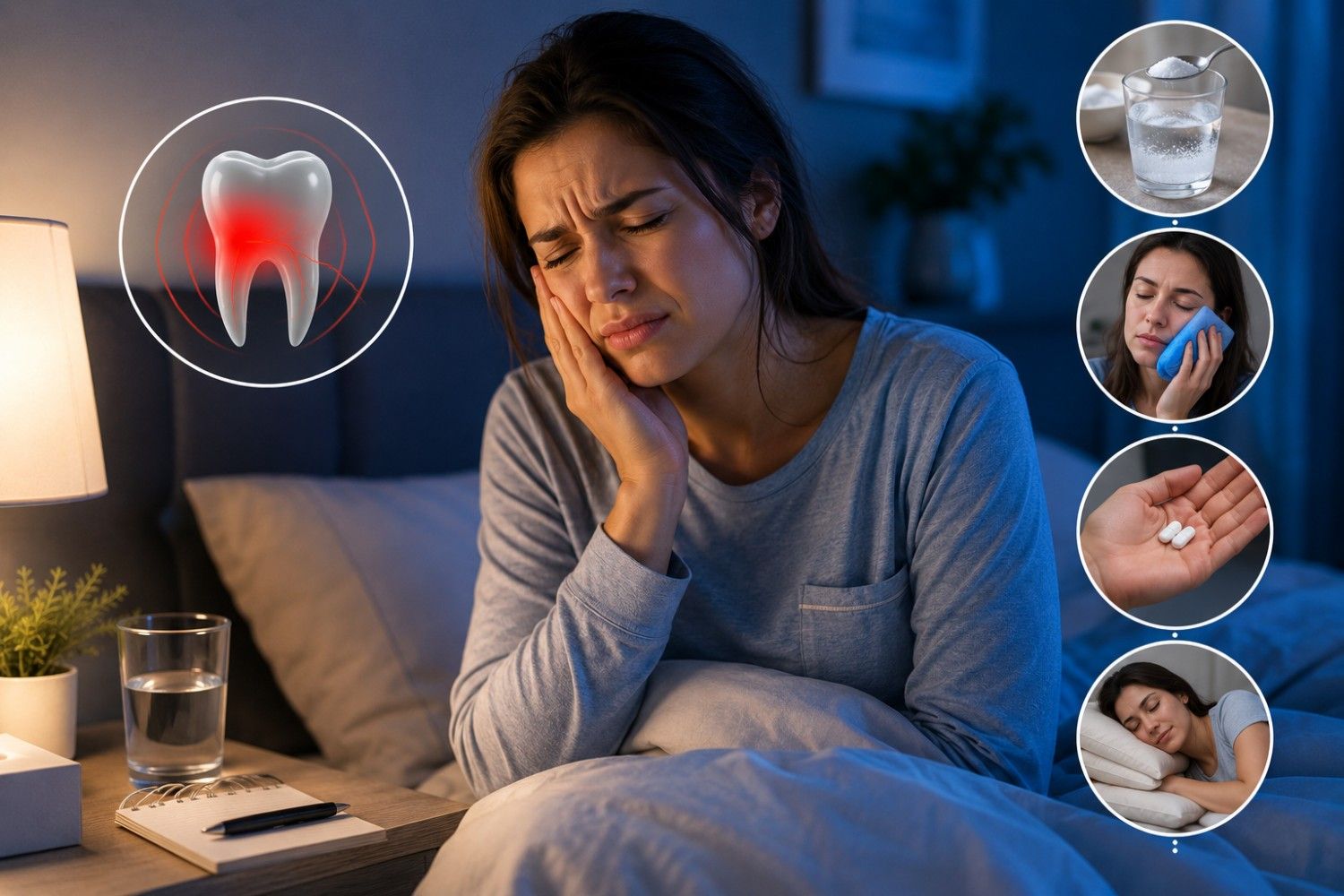
Minor sensitivity and gum irritation are common temporary side effects when using peroxide-based products. Persistent pain, visible white spots, or gum inflammation should prompt a dental evaluation. For evidence-based safety and guidance on whitening, consult authoritative resources such as the American Dental Association.
SAFE Whitening Checklist
A named, practical checklist to reduce risk and improve outcomes:
- Screen: Check for cavities, gum disease, restorations, or tooth sensitivity before whitening.
- Apply correctly: Use the recommended amount and contact time for the product.
- Follow-up: Monitor sensitivity and reduce frequency if discomfort occurs; use desensitizing toothpaste as needed.
- Evaluate results: Compare shades with a natural light source after completion and record how long maintenance takes.
Step-by-Step At-Home Teeth Whitening Routine
Use this routine as a practical template for most consumer-grade systems:
- Brush and floss to remove plaque and surface debris before treatment.
- Read product instructions and measure the gel or place the strip according to manufacturer guidance.
- Limit initial application to recommended times (often 10–30 minutes for strips, longer overnight for low-concentration tray gels only as directed).
- Rinse thoroughly after treatment and avoid highly pigmented foods/drinks for 24–48 hours.
- Repeat per product schedule; stop or reduce usage if significant sensitivity occurs and consult a dentist for persistent issues.
Practical tips to reduce sensitivity and get consistent results
- Start with shorter application times and increase gradually if no sensitivity appears.
- Use a desensitizing toothpaste containing potassium nitrate to manage post-treatment sensitivity.
- Avoid acidic or pigmented foods (red wine, berries, coffee) immediately after whitening to protect newly porous enamel.
- Consider professional custom trays for higher-concentration gels if faster results are needed under supervision.
Common mistakes and trade-offs
Common errors include overuse of high-concentration products, applying gel to soft tissues, and using abrasive home remedies too frequently. Trade-offs to weigh:
- Higher concentration = faster results but greater risk of sensitivity and gum irritation.
- Convenience (strips) = easier adherence but potentially less-even coverage than trays.
- Natural methods = lower chemical exposure but possible enamel abrasion and inconsistent results.
Real-world example
Scenario: A 35-year-old daily coffee drinker notices gradual yellowing. After using a standard strip regime for two weeks, mild sensitivity appears. Following the SAFE Checklist, the routine switches to alternate-day applications and adds desensitizing toothpaste; stains continue to fade without severe discomfort. If staining had been intrinsic or caused by medication, results would likely be limited and a dentist consultation recommended.
Maintenance and Long-Term Expectations
At-home whitening typically reduces shade by several levels; results can last from months to a few years depending on diet and oral habits. Maintenance options include periodic touch-up strips, lower-concentration gels in trays, and regular dental cleanings to control surface stain buildup.
Is at-home teeth whitening safe?
When used according to instructions and after screening for dental issues, at-home teeth whitening products with appropriate peroxide concentrations are generally safe for most adults. Follow the SAFE checklist and consult a dentist for any tooth pain or extensive dental work.
How long do results from home whitening last?
Results depend on diet and habits. Typical duration is several months to a few years; touch-ups every 6–12 months can maintain shade.
Can whitening damage enamel?
Peroxide itself does not dissolve enamel at consumer concentrations, but abrasive methods and overuse can wear enamel. Avoid aggressive scrubbing and follow recommended application schedules.
Which method causes the least sensitivity?
Lower-concentration, shorter-duration treatments (low-peroxide trays or brief-use strips) tend to cause less sensitivity. Desensitizing toothpaste and gradual exposure can help.
Are natural whitening methods effective?
Some natural approaches remove surface stains but tend to be less effective than peroxide-based products and can carry abrasive risks. If choosing a natural method, use it sparingly and avoid hard abrasives against enamel.
Use the SAFE Whitening Checklist, pick a delivery method that fits routine and sensitivity tolerance, and consult a dental professional for complex discoloration or persistent side effects. Proper selection and careful use maximize benefit while minimizing risk.