10 Creative Uses for Cardboard Boxes at Home: Practical DIY Ideas & Safety Tips
-

- Published Updated
- 668 views
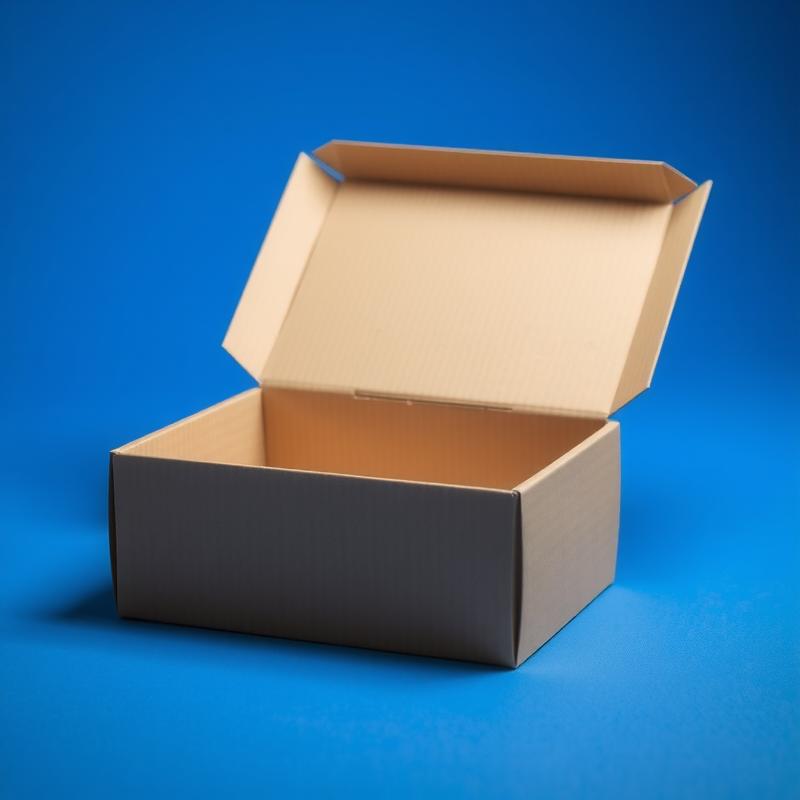
Cardboard is one of the most common household materials, and finding smart uses for cardboard boxes can save money, reduce waste, and unlock simple DIY solutions around the home. This guide lists 10 unexpected, practical ideas for repurposing cardboard, plus a safety checklist, real-world example, and quick tips to get started.
Detected intent: Informational
- Ten practical, low-cost ways to repurpose cardboard boxes at home.
- One short framework (STACK) and a checklist for safe reuse and conversion.
- Practical tips and common mistakes to avoid when converting boxes for storage, gardening, pets, and crafts.
Top uses for cardboard boxes at home
Below are 10 creative, actionable uses for cardboard boxes that go beyond basic storage. Each idea includes quick materials, simple steps, and a note on when to avoid the use (for safety, hygiene, or durability reasons).
1. Seed-starting pots and mini-greenhouse trays
Use small sections of corrugated box as biodegradable seedling pots. Cut into 3–4" squares, fold edges to form shallow pots, fill with seed mix, and place on a tray. When seedlings are ready, plant the whole thing directly in soil—the cardboard will break down. Avoid printed or wax-coated cardboard for direct soil contact.
2. Drawer dividers and closet organizers
Turn rigid cardboard into custom dividers for drawers or closet shelves. Measure inside space, cut strips to height, notch them to interlock, and slide in place. For heavier loads, reinforce with duct tape on seams.
3. Kid’s play fort, puppet theater, or educational toys
Large appliance boxes make sturdy forts, puppet theaters, or dramatic-play props. Cut windows and doors, decorate with washable paints, and add Velcro closures to create reusable panels. Keep small parts and cutting tools away from very young children.
4. Pet hideaway or cozy cat bed
Cut an entrance, smooth edges, and add a fleece pad to turn a medium-sized box into a cat hideaway. Place in a quiet corner and monitor for chewing—avoid using treated or heavily printed boxes for pets that chew.
5. Compostable kitchen bin for food scraps
Use a clean, uncoated box as a temporary holding bin for dry food scraps before transferring to an outdoor compost pile. Line with paper to prevent drips and keep the box in a cool, ventilated spot.
6. Moving corner protectors and furniture templates
Fold and tape strips of cardboard to protect table edges and corners during moving. Larger flat panels are also excellent templates for cutting fabric, plywood, or for mockups when planning furniture layouts.
7. Temporary laptop stand or monitor riser
Create a simple riser for ergonomics: cut a stable rectangle, reinforce with layered cardboard, and test for wobble before daily use. This is a lightweight temporary solution; use a solid stand for full-time setups.
8. Art and craft canvases or frames
Use flattened box panels as painting surfaces, sketching boards, or backing for collages. Prime with gesso or white acrylic where needed. This is ideal for practice work and craft projects.
9. Plant insulation or frost covers
Use cut panels to build a temporary cold frame or to shield outdoor potted plants from frost. Remove when conditions improve—wet cardboard loses insulating value and may harbor pests.
10. Modular storage cubes and garage shelving liners
Reinforce small boxes with cross braces to create lightweight modular storage cubes for seasonal items or kids’ toys. Use as shelf liners to protect surfaces and keep items separate.
STACK method: A simple framework for repurposing cardboard
Use the STACK method to evaluate and convert boxes safely and effectively:
- Scan: Check for coatings, grease, heavy printing, or damage.
- Trim: Cut flaps and smooth sharp edges before use.
- Assemble: Reinforce stress points with tape for weight-bearing uses.
- Convert: Modify to suit the task—vent holes for planters, interlocks for dividers.
- Keep: Store dry and flat when not in use to preserve life.
Practical tips for successful cardboard projects
- Choose corrugated cardboard for strength; single-wall is fine for light tasks, double-wall for heavier loads.
- Avoid boxes that are oily, wet, or coated with wax for gardening or food-related uses.
- Use a sharp utility knife and a metal ruler for clean cuts; always cut away from the body and keep a cutting mat under the board.
- Reinforce corners and joins with high-quality tape where weight or movement is expected.
- Label and date any compostable uses so they are tracked and composted promptly.
Common mistakes and trade-offs when repurposing cardboard
Repurposing cardboard is low-cost, but there are trade-offs to consider:
- Durability vs. sustainability: Reinforcing with tape and coatings increases lifespan but can reduce recyclability.
- Hygiene risk: Cardboard absorbs moisture and can harbor mold if used for wet or food-contact projects without proper liners.
- Fire risk: Cardboard is combustible—keep away from heat sources, open flames, and vulnerable electrical devices.
- Ink and coatings: Printed or waxed boxes may contain inks or coatings unsuitable for garden or pet uses.
Short real-world example
A family turned a large TV box into a children’s puppet theater: the box was trimmed to create an elevated stage, painted with water-based paint, and fitted with a fabric curtain attached by Velcro. The theater doubled as a storage trunk for costumes. Reinforcement with extra cardboard at the base prevented sagging and kept the project stable through repeated use.
Core cluster questions (for internal linking or related articles)
- How to make cardboard planters that compost easily
- What safety checks are needed before using cardboard for pet bedding
- Best ways to reinforce cardboard for lightweight furniture projects
- How to turn a cardboard box into an art easel or canvas
- Steps to prepare cardboard for use in seed starting and transplanting
For guidance on recycling and when to recycle instead of reuse, see the EPA recycling basics page: https://www.epa.gov/recycle/recycling-basics.
Practical checklist: BOXER safety checklist
- Brightness: Is the cardboard clean and free of mold or heavy printing?
- Orientation: Does the box shape fit the intended use without awkward modifications?
- Xtras: Are reinforcements needed and available (tape, braces)?
- Environment: Will the box stay dry and away from heat or pests?
- Recycle: Is the box still recyclable after modifications?
Frequently asked questions
What are creative uses for cardboard boxes at home?
Creative uses include seed-starting pots, drawer dividers, pet hideaways, modular storage cubes, temporary laptop risers, child play forts, craft canvases, frost covers, moving corner protectors, and compostable kitchen bins. Selection depends on box condition, coating, and size.
Are cardboard boxes safe to use for food or gardening?
Use clean, uncoated cardboard for gardening; avoid wax-coated, heavily printed, or oily boxes for direct soil contact or compost. For food contact, use food-grade liners. Always follow local composting guidelines for materials accepted.
How long will cardboard last when used for indoor projects?
Longevity varies: well-reinforced cardboard in a dry indoor setting can last months to years. Exposure to moisture, humidity, or heavy loads reduces lifespan quickly.
Can cardboard boxes be recycled after repurposing?
Most plain cardboard remains recyclable after reuse, but heavy tape, coatings, or contamination with food/oil reduce recyclability. Follow local recycling rules—clean, dry cardboard is widely accepted.
What safety precautions should be taken when cutting or modifying cardboard?
Use a sharp blade and a metal ruler, cut on a stable surface, keep fingers away from the cutting line, wear gloves if handling rough edges, and ensure children are supervised around tools and small parts.