Why Saudi Women Are Choosing an Australian Modest-Fashion Label: Design, Fit, and Cultural Strategy
-
- March 19th, 2026
- 303 views
The rise of an Australian modest fashion brand in Saudi Arabia is not a coincidence: it reflects deliberate design choices, localized marketing, and respectful cultural alignment. This guide explains the tangible reasons why a non‑local label can resonate with Saudi women, and what other brands can learn from the approach.
Detected intent: Informational
Why an Australian modest fashion brand in Saudi Arabia resonates
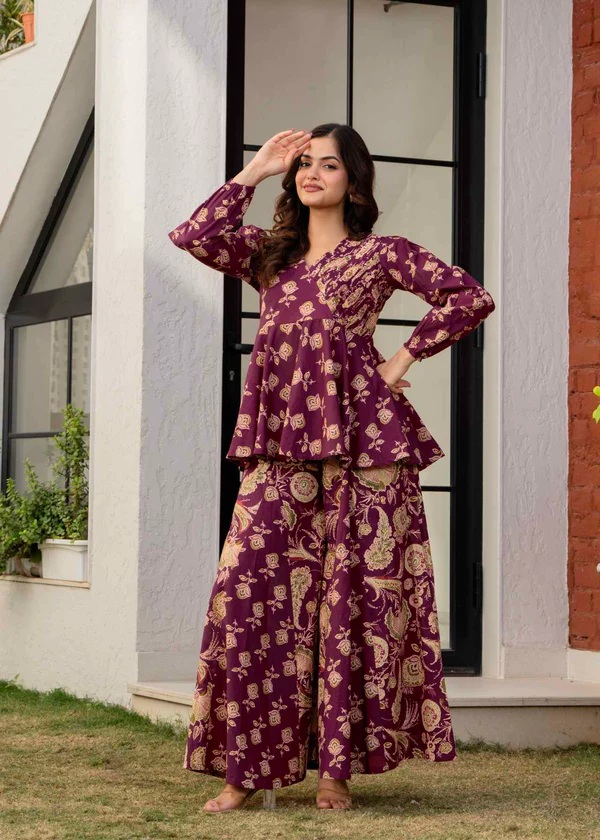
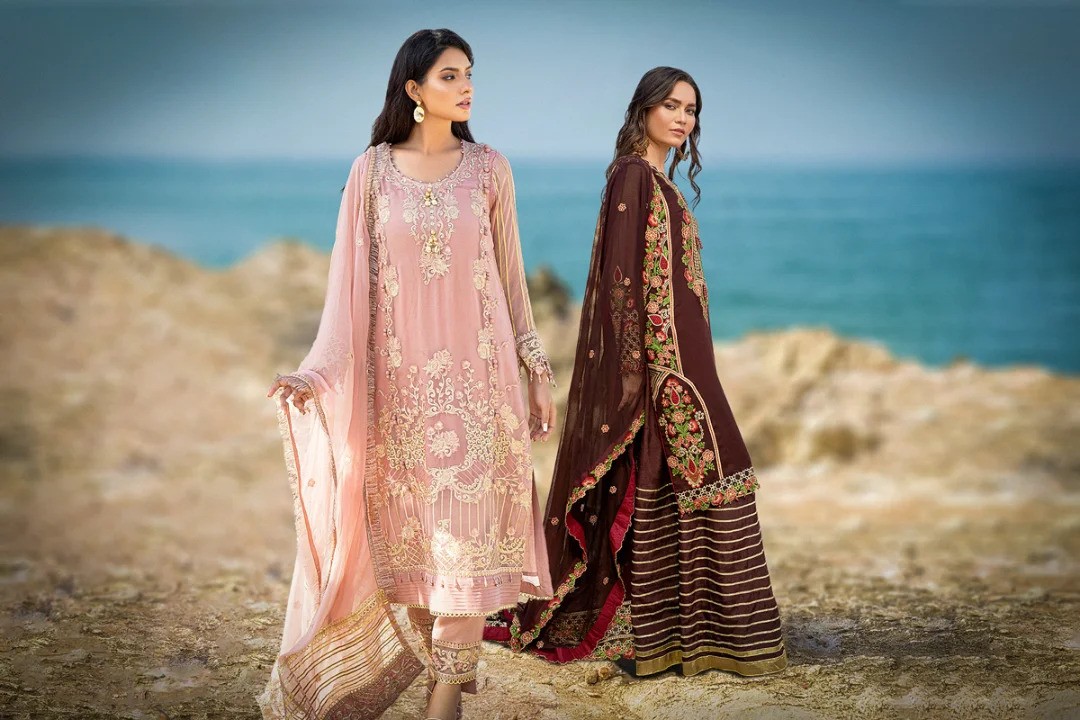
Saudi women's preferences emphasize quality fabrics, comfortable silhouettes, and designs that respect cultural norms while offering modern style. The primary reasons a foreign label can succeed include product adaptation, inclusive sizing, local retail partnerships, and clear communication about fit and materials. These factors are visible in product pages, lookbooks, and in-store merchandising targeted toward women looking for modest clothing for Saudi women with contemporary sensibilities.
Key elements that create trust with Saudi customers
Design and cultural sensitivity
Designs that reference traditional silhouettes—such as abayas and long, flowing outer layers—while using contemporary tailoring create immediate relevance. Color palettes, embroidery placement, and sleeve lengths matter. Material choices that perform well in a hot climate (breathable cotton blends, lightweight linens, laminated finishes that reduce transparency) reduce returns and increase loyalty.
Fit, sizing, and product information
Size inclusivity and clear fit guidance reduce hesitation. Provide conversion charts between Australian, UK, and GCC sizes, offer detailed garment measurements, and show on-model height/size pairings. Customers in Saudi Arabia often prefer modest clothing for Saudi women that includes options for longer hemlines and looser fits without looking shapeless.
Local commerce and partnerships
Partnerships with established Saudi retailers or trusted e-commerce platforms accelerate market acceptance. In-store trials, pop-up events during Ramadan, or collaboration with local stylists signal commitment to the market. Responsible logistics—fast local fulfillment, returns handled domestically—are essential to customer experience.
The RESPECT checklist: a practical framework for market fit
Use the RESPECT checklist when evaluating product-market fit for conservative or modest-fashion markets.
- Research local dress codes and seasonal needs.
- Engage local consultants and stylists for cultural review.
- Size-inclusive offerings and clear measurement guides.
- Partnerships with local retailers and influencers.
- Ethical sourcing and transparent supply chains.
- Collection timing aligned with cultural calendars (Ramadan, Eid).
- Testing: run limited releases and collect feedback before scale.
Practical launch scenario (real-world example)
Scenario: An Australian label tests the Saudi market with a 12-piece Ramadan capsule. The brand partners with a Riyadh boutique for a two-week pop-up, adapting hem lengths and sleeve widths based on local stylist input. Product pages include size converters, fabric swatches, and a 48-hour local return window. Social content highlights women from the region wearing the pieces at modest events. The results: faster sell-through of neutral-tone abayas and higher repeat purchase rates for pieces with looser silhouettes.
Practical tips: 4 actionable moves any brand can use
- Publish precise garment measurements and model details for every product to reduce sizing uncertainty.
- Localize product names and descriptions; mention fabric performance in warm climates and layering suggestions.
- Offer a limited in-market return window and local pickup options to build purchase confidence.
- Time launches around cultural moments (Ramadan/Eid) and collaborate with vetted local partners for distribution and styling.
Trade-offs and common mistakes
Trade-offs to consider
Adapting designs for a market can raise production costs and complicate inventory management. Full localization (exclusive fabrics or fits) may limit global scalability. Balancing a coherent global brand identity with local flexibility requires picking which elements to customize (fit, materials, marketing tone) and which to standardize (brand story, quality standards).
Common mistakes
- Assuming visual modesty is the only factor: fit, fabric transparency, and climate suitability are equally important.
- Over-relying on stereotypes instead of primary research with local customers and stylists.
- Underestimating logistics: slow shipping and difficult returns damage trust faster than minor design missteps.
Core cluster questions (for related content or internal links)
- How to size garments for Gulf markets: conversion charts and fit notes.
- Abaya design trends: balancing tradition and contemporary tailoring.
- Effective local partnerships for fashion brands entering Saudi Arabia.
- How Ramadan and Eid affect fashion buying cycles in the Middle East.
- Best practices for e-commerce logistics and returns in GCC markets.
Data and social context
Women’s growing participation in Middle Eastern consumer markets influences demand for quality, variety, and international brands that show cultural respect. Increased economic participation and retail modernization mean more opportunities for international labels that adapt thoughtfully; this aligns with broader development goals and industry reporting on women’s economic empowerment. For background on global policy and women’s economic participation, see this resource from UN Women.
FAQ
How did an Australian modest fashion brand in Saudi Arabia adapt designs for local tastes?
Adaptations included extended hemlines and sleeve lengths, breathable fabric selections, clearer size charts with conversion references for GCC sizing, and styling guidance for layered looks. Local stylist consultations informed embroidery placement and color choices to match cultural preferences.
What should brands prioritize when creating modest clothing for Saudi women?
Prioritize fabric opacity and breathability, accurate sizing information, respectful styling (coverage without excessive volume), and reliable logistics. Clear product imagery and on-model display help customers assess modesty and fit online.
Is it necessary to partner with local retailers to succeed in Saudi Arabia?
Partnerships accelerate trust and distribution but are not strictly required. Direct-to-consumer success is possible with strong localization, fast local fulfillment, and culturally attuned marketing. However, local partners can reduce regulatory friction and increase credibility.
What are the risks of misreading cultural signals in cross-cultural fashion marketing?
Risks include alienating customers with inappropriate designs, negative PR for perceived insensitivity, high return rates, and wasted inventory. Regular cultural audits and local review processes reduce these risks.
How should product pages explain fit and fabric for cross-cultural buyers?
Include exact garment measurements, model height and size, fabric composition and climate performance notes, care instructions, and a size-conversion chart. Offering customer reviews focused on fit and comfort adds credibility.